


Luigi Mancinelli
Released Album
Opera
-
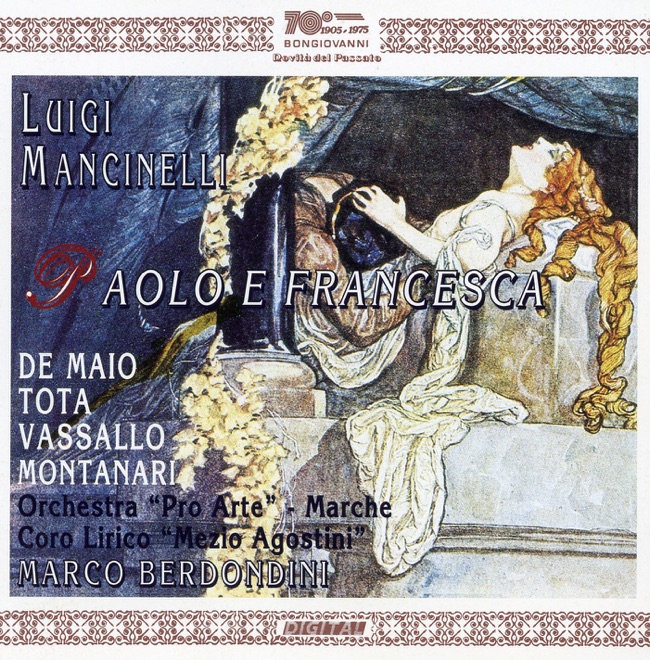 August 1, 2013
 -
 March 5, 2013
 -
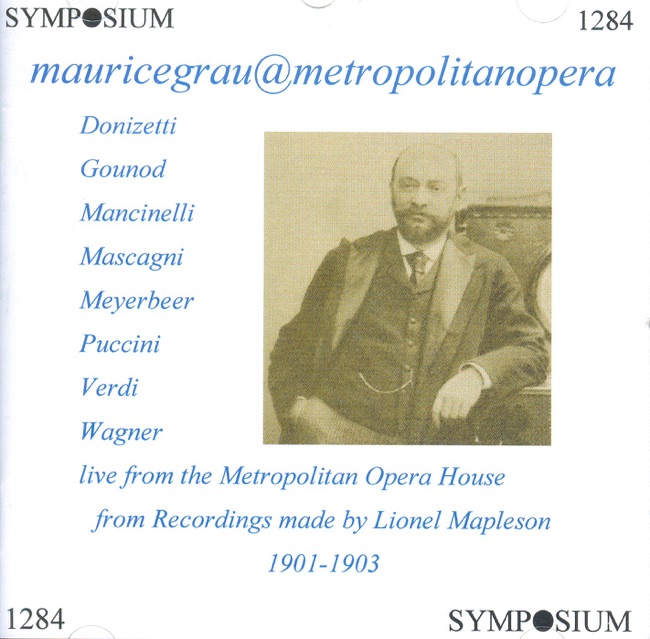 July 1, 2011
 -
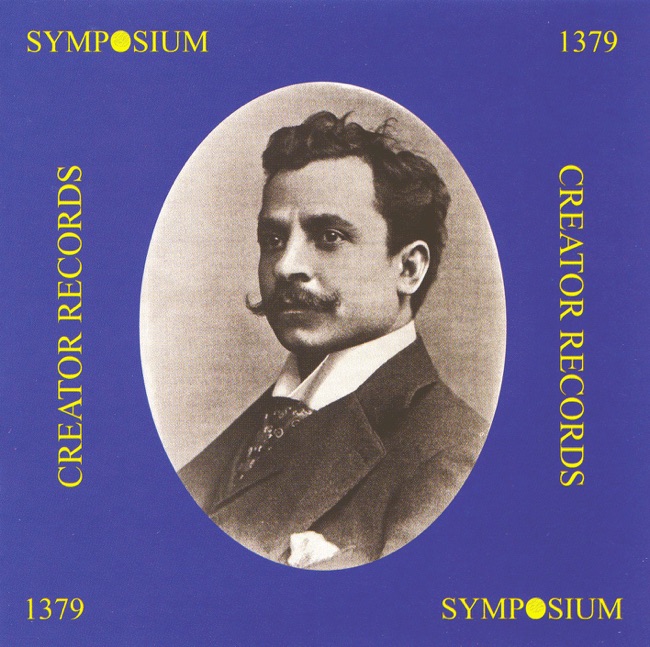 October 13, 2009
 -
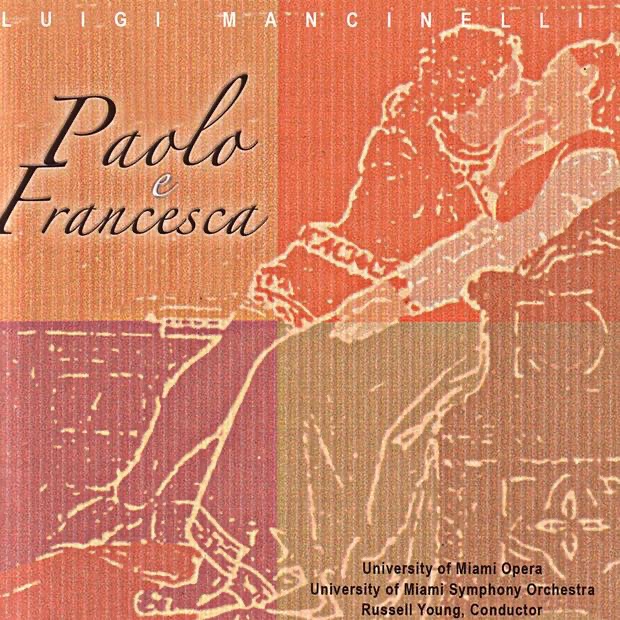 April 26, 2005
Orchestral
-
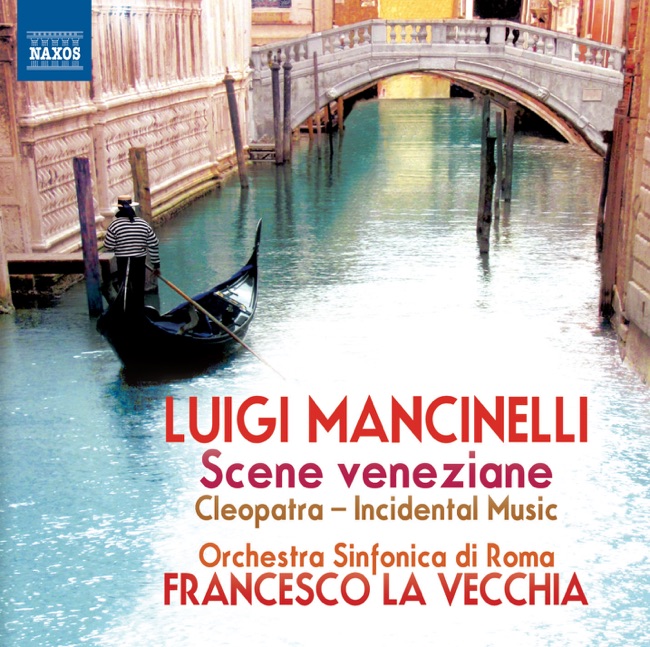 April 1, 2013
Vocal
-
 November 11, 2014
Artist Info
Role:Composer ConductorCountry: ItalyBirth:February 6, 1848 in Orvieto, ItalyDeath:February 2, 1921 in Rome, ItalyPeriod:ModernGenre:OrchestralLuigi Mancinelli was an Italian composer and conductor who lived from 1848 to 1921. He was born in Orvieto, a small town in central Italy, on February 28, 1848. His father was a musician, and Luigi showed an early interest in music. He began studying the violin at a young age and later studied composition and conducting. Mancinelli's musical career began in earnest when he moved to Rome in 1866. There, he studied at the Accademia di Santa Cecilia, one of the most prestigious music schools in Italy. He quickly established himself as a talented composer and conductor, and his works began to be performed in public concerts. In 1872, Mancinelli moved to Paris, where he continued to compose and conduct. He became the conductor of the Théâtre des Bouffes-Parisiens, a popular theater that specialized in light opera and operetta. Mancinelli's experience at the Bouffes-Parisiens had a significant impact on his compositional style, as he became known for his ability to write catchy melodies and lively rhythms. Mancinelli's most famous work is his opera Ero e Leandro, which premiered in 1885. The opera is based on the Greek myth of Hero and Leander, and it was well-received by audiences and critics alike. The opera's success helped establish Mancinelli as one of the leading composers of his time. In addition to his work as a composer, Mancinelli was also a respected conductor. He conducted many of the leading orchestras of his day, including the Berlin Philharmonic and the New York Philharmonic. He was known for his ability to bring out the best in his musicians and for his attention to detail. Mancinelli's other notable works include his Symphony in D minor, which premiered in 1880, and his ballet La Sylphide, which premiered in 1892. Both works showcase Mancinelli's skill as a composer and his ability to write music that is both beautiful and engaging. Despite his success as a composer and conductor, Mancinelli faced many challenges throughout his life. He struggled with health problems, including a chronic respiratory illness that made it difficult for him to conduct. He also faced financial difficulties, and he was forced to sell many of his possessions in order to make ends meet. Despite these challenges, Mancinelli continued to compose and conduct until his death in 1921. His legacy lives on through his music, which continues to be performed and enjoyed by audiences around the world.More....
Recent Artist Music
Copyright Ⓒ 2013 Davinci Finger. All rights reseved
Service Terms & Policy