


Théâtre La Monnaie Royal Opera Chorus
Released Album
Opera
-
 January 15, 2016
 -
 October 9, 2012
 -
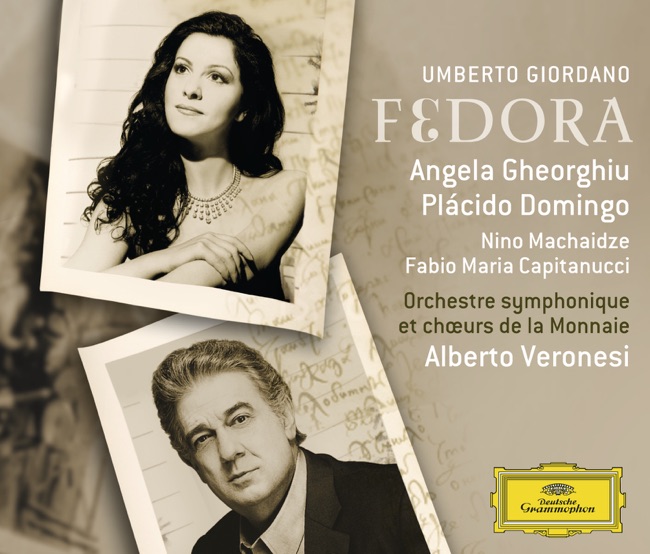 February 1, 2011
 -
 August 29, 2006
 -
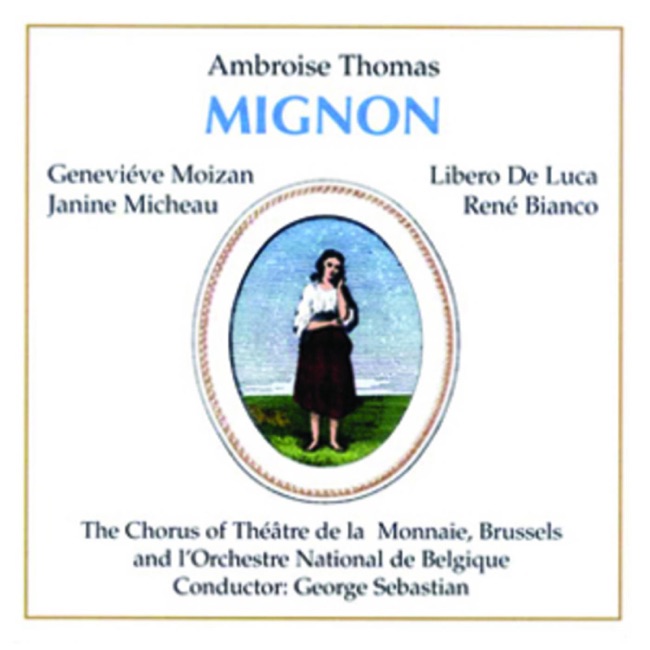 June 9, 2003
 -
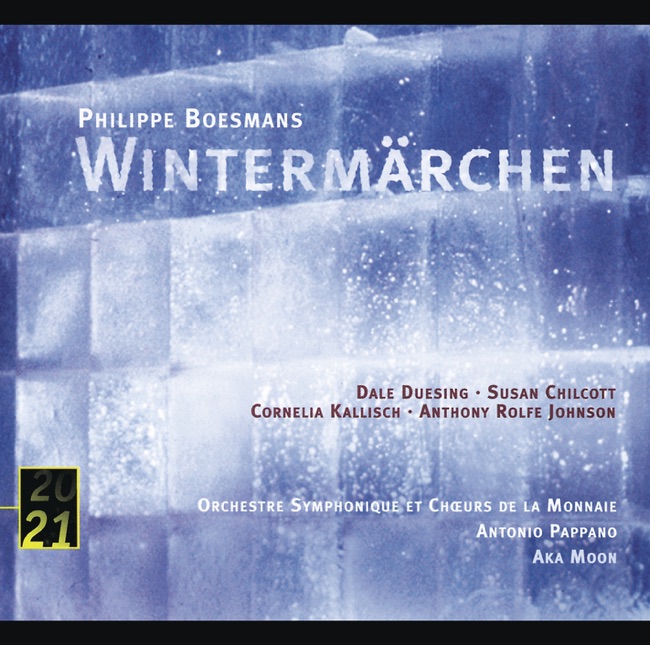 January 1, 2000
Artist Info
Role:EnsembleCountry: BelgiumPeriod:RomanticGenre:OperaThéâtre La Monnaie Royal Opera Chorus is a renowned classical music artist that has been captivating audiences for over three centuries. The chorus is based in Brussels, Belgium, and is one of the oldest and most prestigious opera companies in Europe. The history of Théâtre La Monnaie Royal Opera Chorus is rich and fascinating, and it is a testament to the enduring power of classical music. The birth of Théâtre La Monnaie Royal Opera Chorus can be traced back to the early 18th century. In 1700, the city of Brussels established a theatre company called the Théâtre de la Monnaie. The company was initially focused on producing plays and comedies, but it soon expanded its repertoire to include operas. The first opera performed by the company was Lully's "Armide" in 1705. Over the next few decades, the Théâtre de la Monnaie became one of the most important cultural institutions in Brussels. The company attracted some of the most talented singers, composers, and musicians of the time, and it quickly gained a reputation for producing high-quality performances. In 1815, the theatre was granted the title of "Royal Theatre" by King William I of the Netherlands, and it became known as the Théâtre Royal de la Monnaie. Throughout the 19th century, the Théâtre Royal de la Monnaie continued to thrive. The company produced a wide range of operas, from classic works by Mozart and Rossini to contemporary pieces by Belgian composers. The theatre also became known for its innovative productions, which often featured elaborate sets and costumes. One of the highlights of the Théâtre Royal de la Monnaie's early history was the premiere of Wagner's "Tristan und Isolde" in 1883. The production was a major success, and it helped to establish the theatre's reputation as a leading opera company in Europe. The theatre also played an important role in the development of Belgian opera, with many of the country's most famous composers and singers performing there. In the early 20th century, the Théâtre Royal de la Monnaie faced some challenges. The outbreak of World War I disrupted the theatre's operations, and it was forced to close for several years. However, the company bounced back after the war, and it continued to produce high-quality performances throughout the 1920s and 1930s. One of the most significant events in the Théâtre Royal de la Monnaie's history occurred in 1963, when the theatre was destroyed by a fire. The fire was a devastating blow to the company, but it also presented an opportunity to rebuild and modernize the theatre. The new Théâtre Royal de la Monnaie opened in 1986, and it quickly became one of the most technologically advanced opera houses in Europe. In recent years, Théâtre La Monnaie Royal Opera Chorus has continued to produce innovative and exciting performances. The company has collaborated with some of the world's most talented directors, designers, and musicians, and it has earned a reputation for pushing the boundaries of classical music. Some of the highlights of the company's recent history include productions of "The Magic Flute," "Don Giovanni," and "La Traviata." Théâtre La Monnaie Royal Opera Chorus has also received numerous awards and accolades over the years.More....
Recent Artist Music


Copyright Ⓒ 2013 Davinci Finger. All rights reseved
Service Terms & Policy