


William Ferris
Released Album
Choral
-
 March 10, 2009
 -
 November 13, 2007
 -
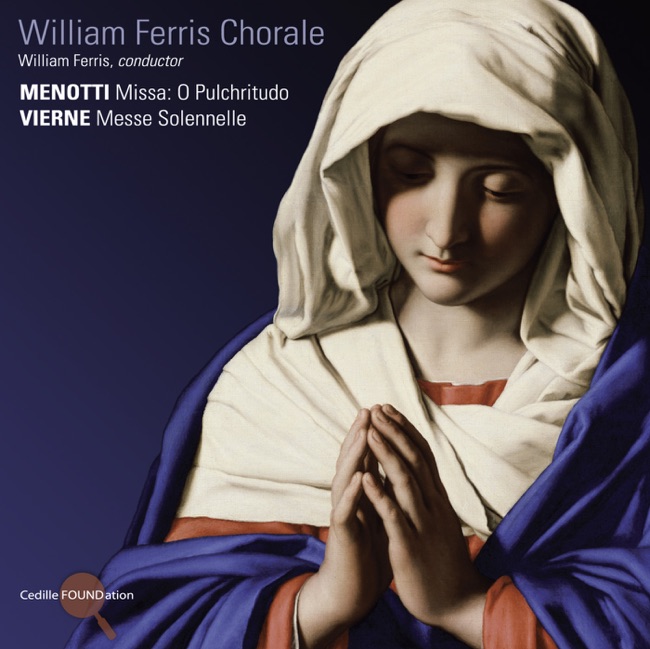 October 31, 2006
 -
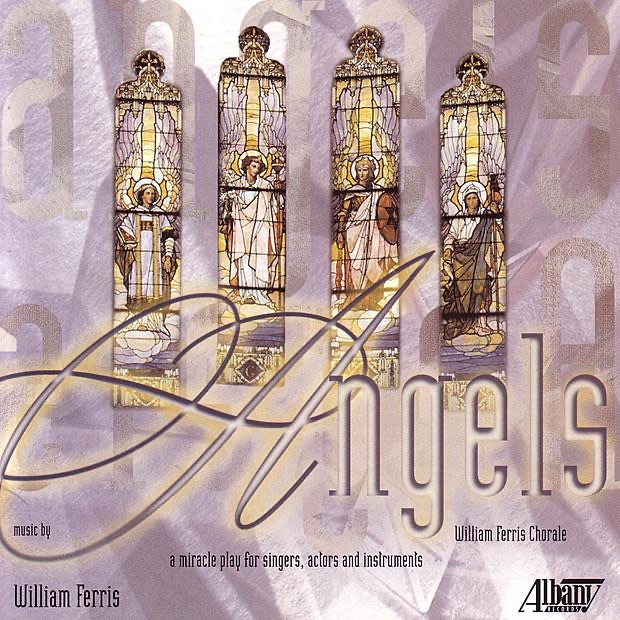 April 25, 2000
 -
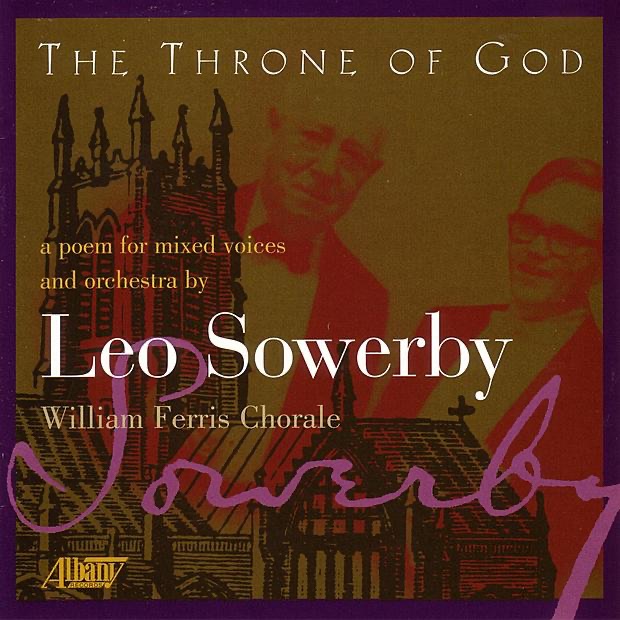 July 1, 1997
 -
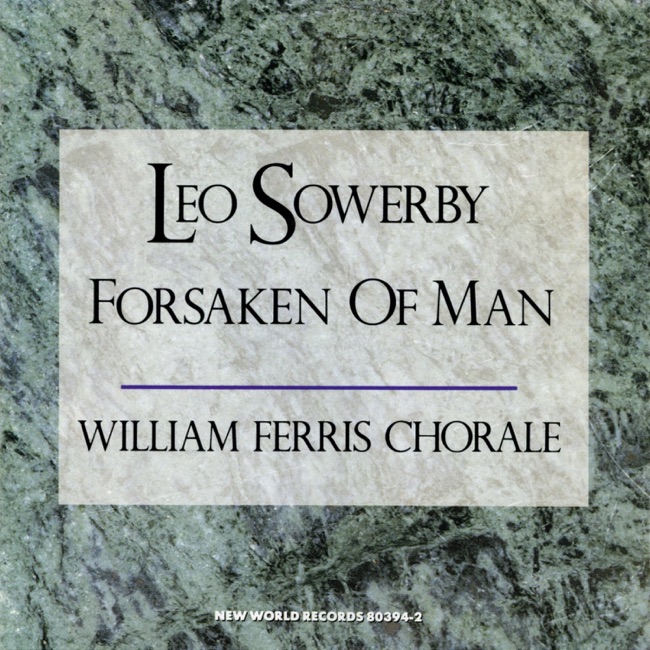 December 8, 1992
Chamber
-
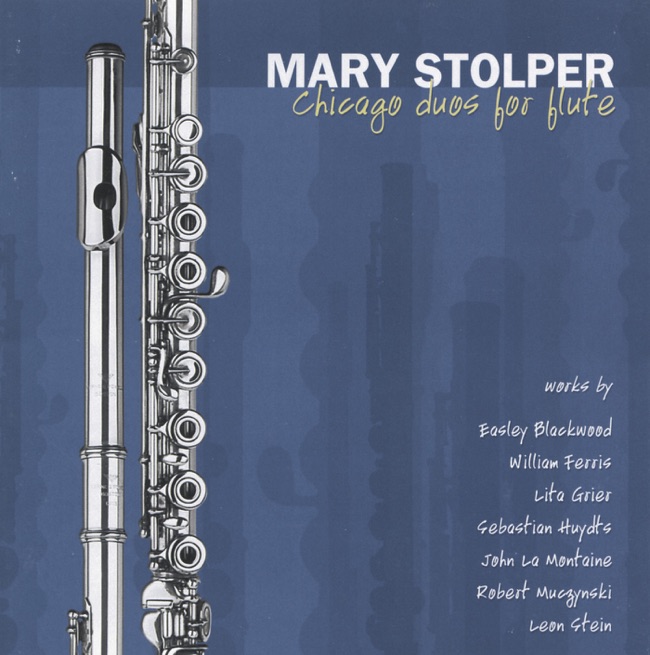 November 25, 2003
 -
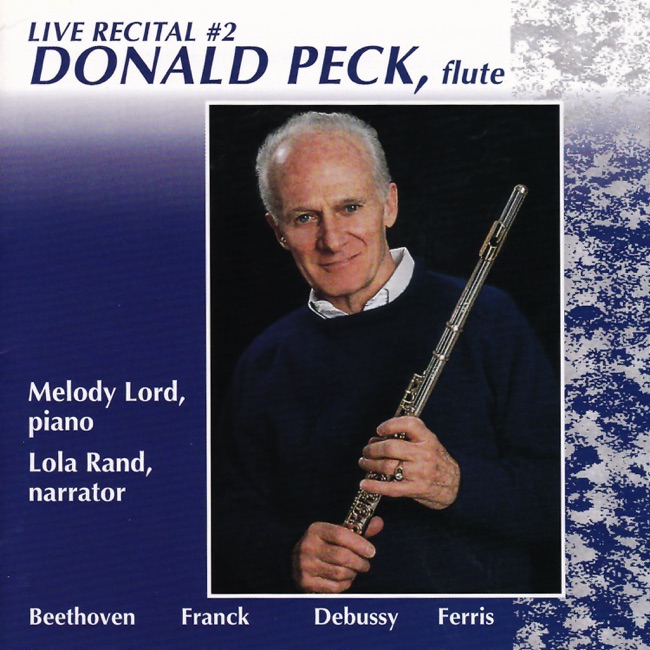 June 1, 1996
Vocal
-
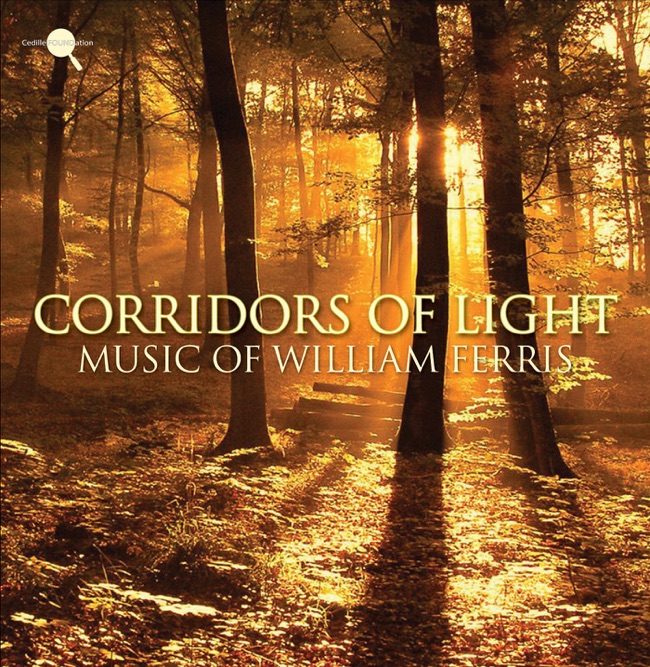 September 28, 2010
Artist Info
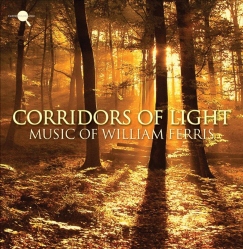
Role:Composer ConductorCountry: United States of AmericaBirth:1937Death:2000Period:ContemporaryGenre:ChamberChoralKeyboardWilliam Ferris was an American composer and pianist who was born on September 25, 1940, in San Francisco, California. He grew up in a musical family, with his mother being a pianist and his father a violinist. Ferris began playing the piano at a young age and showed a natural talent for music. He went on to study at the San Francisco Conservatory of Music and later at the Juilliard School in New York City. Ferris' early compositions were heavily influenced by the works of the great classical composers such as Beethoven, Mozart, and Bach. He was also inspired by the music of the Romantic era, particularly the works of Chopin and Schumann. Ferris' early works were characterized by their technical proficiency and emotional depth. In the 1960s, Ferris began to experiment with more avant-garde styles of music, incorporating elements of jazz and electronic music into his compositions. He was particularly interested in the use of electronic instruments and was one of the first classical composers to use synthesizers in his works. One of Ferris' most notable works from this period is his "Electronic Symphony," which was composed in 1967. The piece was groundbreaking in its use of electronic instruments and was hailed as a masterpiece of the avant-garde movement. In the 1970s, Ferris returned to more traditional forms of classical music, composing a number of works for orchestra and chamber ensembles. He continued to experiment with different styles and techniques, however, and his works from this period often incorporated elements of minimalism and serialism. One of Ferris' most famous works from this period is his "Concerto for Piano and Orchestra," which was composed in 1978. The piece is characterized by its complex rhythms and intricate harmonies, and is considered one of the most challenging piano concertos in the classical repertoire. Ferris continued to compose throughout the 1980s and 1990s, producing a number of works for solo piano, chamber ensembles, and orchestra. His later works were often more introspective and reflective, with a focus on melody and harmony. One of Ferris' most notable works from this period is his "Sonata for Piano," which was composed in 1992. The piece is characterized by its lyrical melodies and rich harmonies, and is considered one of Ferris' most beautiful and expressive works. Ferris' contributions to the world of classical music were recognized with numerous awards and honors throughout his career. He was awarded the Pulitzer Prize for Music in 1975 for his "String Quartet No. 3," and was inducted into the American Academy of Arts and Letters in 1985. Ferris continued to perform and compose until his death on November 24, 2000, at the age of 60. His legacy as a composer and pianist continues to inspire and influence musicians around the world, and his works remain an important part of the classical repertoire.More....
Recent Artist Music



Copyright Ⓒ 2013 Davinci Finger. All rights reseved
Service Terms & Policy