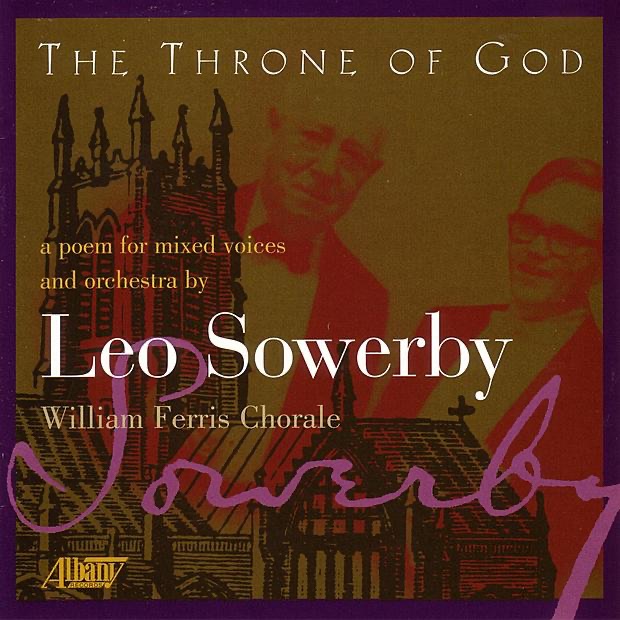
Leo Sowerby
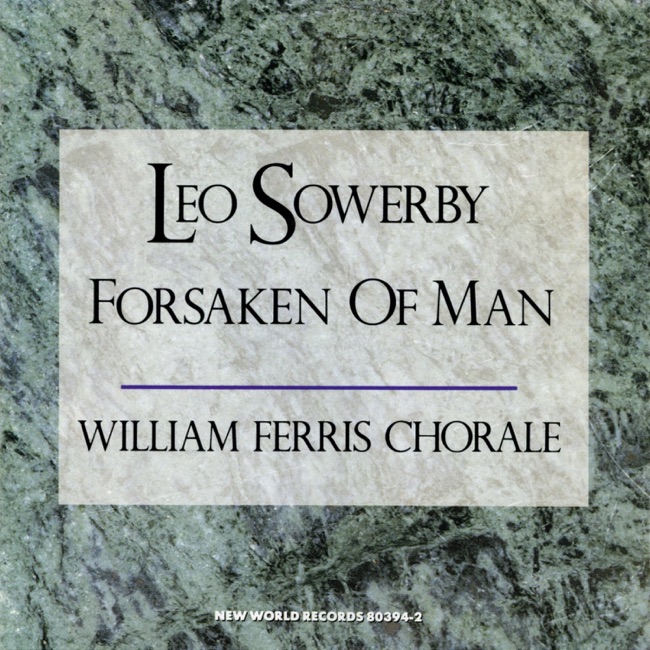
Forsaken of Man
Released Album
Recent Album
Works Info
Composer:Leo SowerbyGenre:ChoralStyle:CantataAverage_duration:66:09Movement_count:6Movement ...."Forsaken of Man" is a choral work composed by Leo Sowerby in 1943. The piece was premiered on March 14, 1943, by the Chicago Symphony Orchestra and the Chicago Symphony Chorus, conducted by Frederick Stock. The work is divided into three movements, each with its own distinct character and musical style. The first movement, "The Cry of the Forsaken," is a powerful and dramatic setting of a text by the American poet Edwin Markham. The music is characterized by its use of dissonance and chromaticism, which create a sense of tension and urgency. The chorus sings of the suffering of those who have been abandoned and forgotten by society, and the music reflects this sense of despair and hopelessness. The second movement, "The Vision of the Redeemer," is a more contemplative and introspective piece. The music is based on a hymn tune by Sowerby himself, and the text is taken from the Gospel of John. The chorus sings of the hope and comfort that comes from faith in Christ, and the music reflects this sense of peace and serenity. The final movement, "The Triumph of the Redeemer," is a joyful and exultant piece. The music is characterized by its use of fanfares and brass, which create a sense of celebration and triumph. The chorus sings of the victory of Christ over death and sin, and the music reflects this sense of triumph and joy. Overall, "Forsaken of Man" is a powerful and moving work that reflects Sowerby's deep faith and his commitment to social justice. The music is characterized by its use of dissonance and chromaticism, which create a sense of tension and urgency, as well as its use of hymn tunes and fanfares, which create a sense of peace and celebration. The work remains an important part of the choral repertoire and a testament to Sowerby's enduring legacy as a composer.More....
Works Music
Released Music