


Edward German
Released Album
Orchestral
-
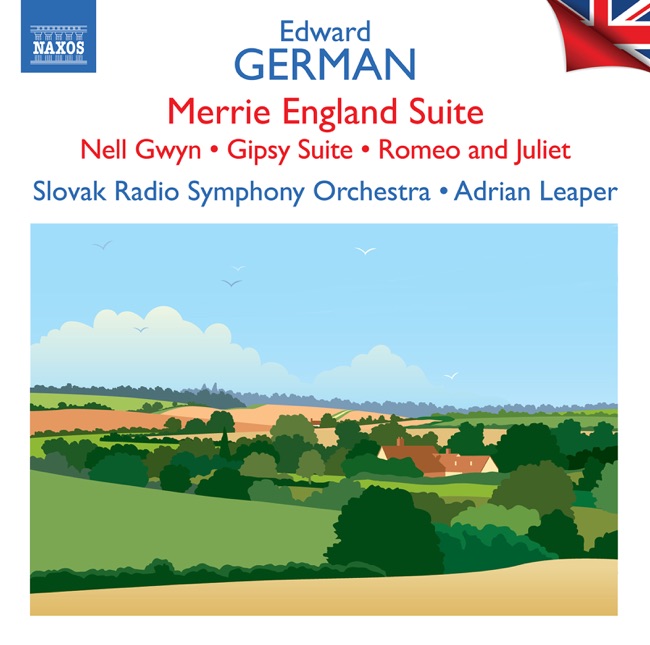 August 26, 2022
 -
 May 21, 2018
 -
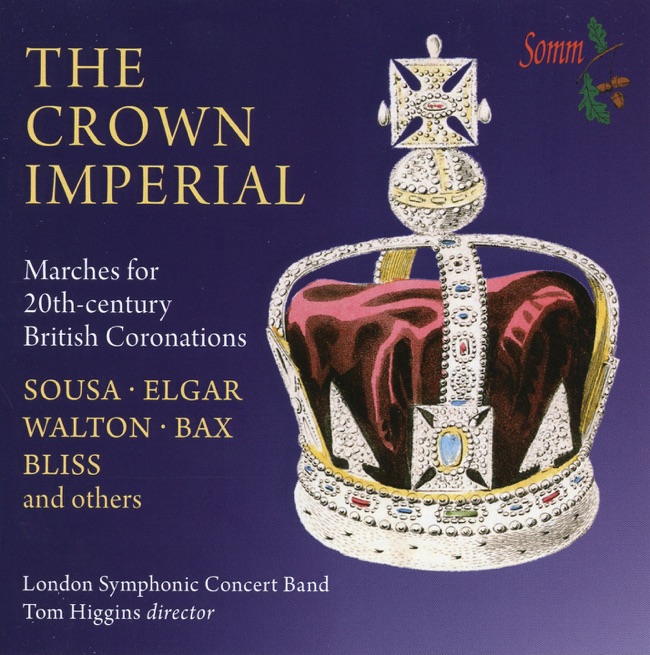 June 30, 2014
 -
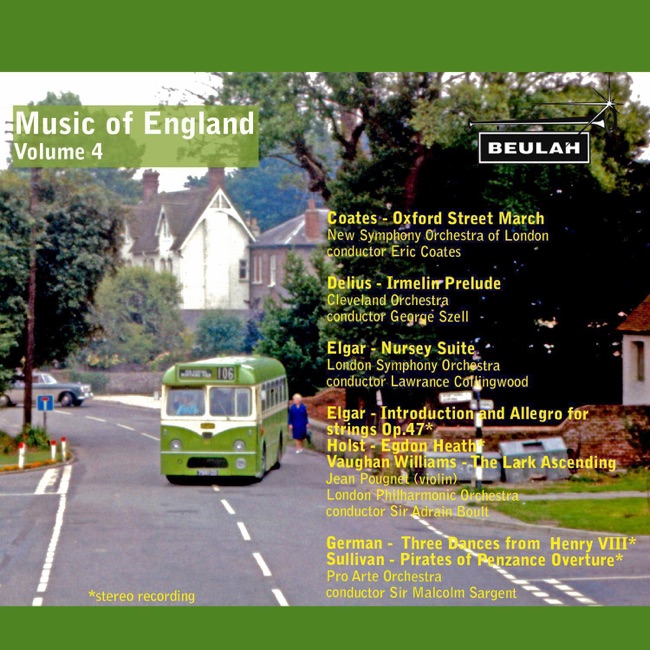 July 12, 2013
 -
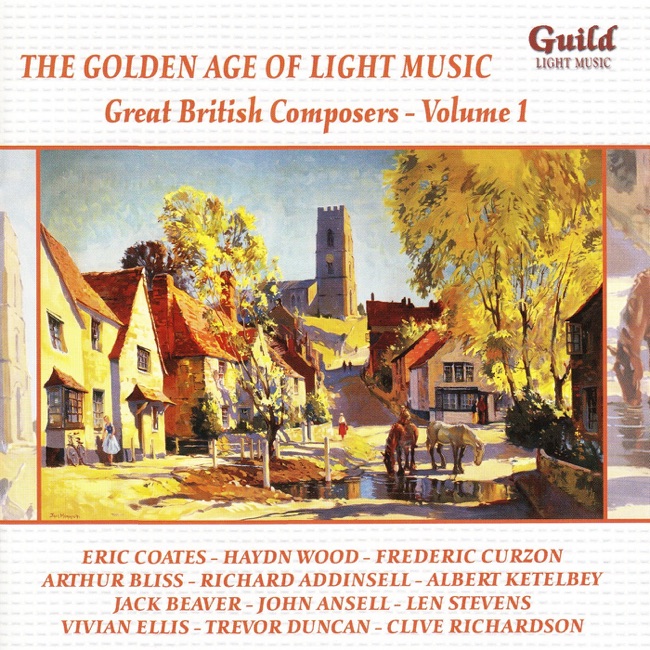 November 13, 2012
 -
 October 3, 2011
Opera
-
 November 1, 2011
 -
 May 31, 2011
 -
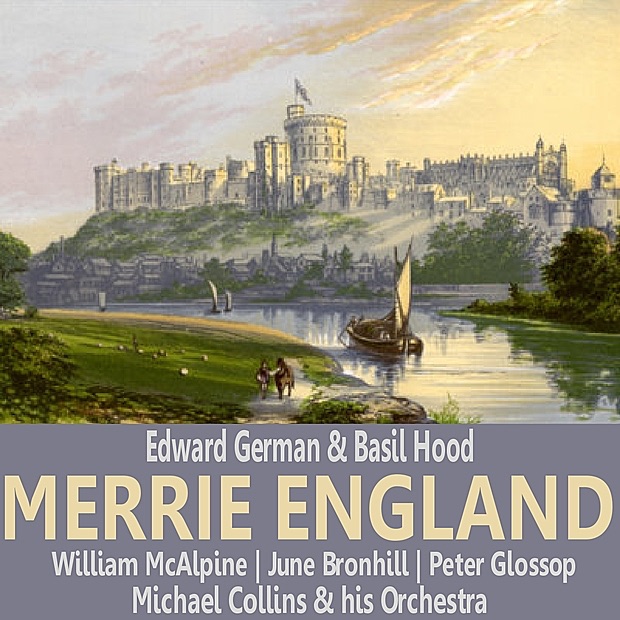 November 7, 2010
 -
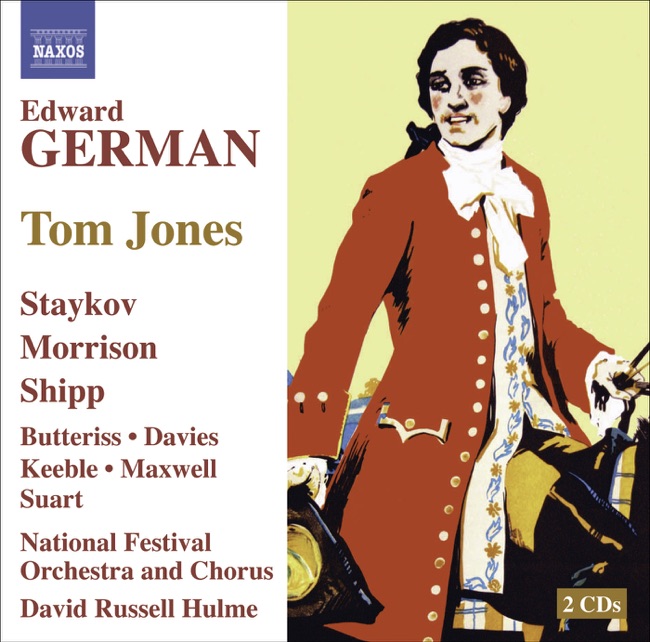 August 25, 2009
 -
-
 March 27, 2001
Chamber
-
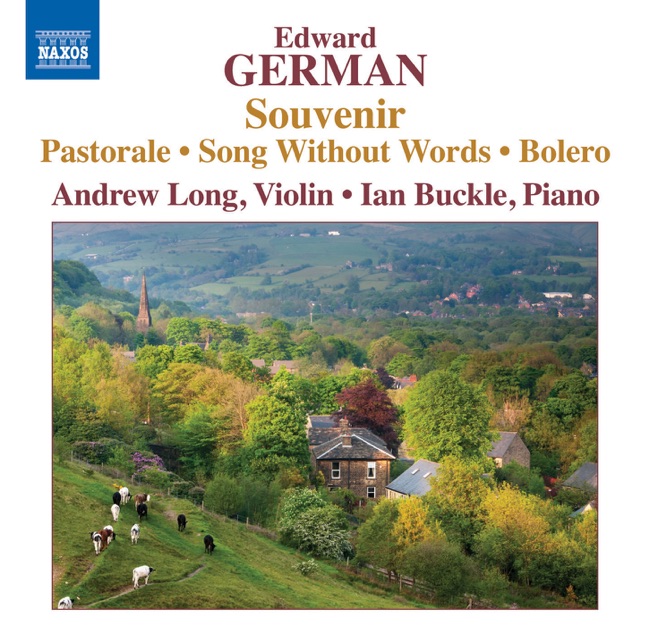 May 12, 2015
 -
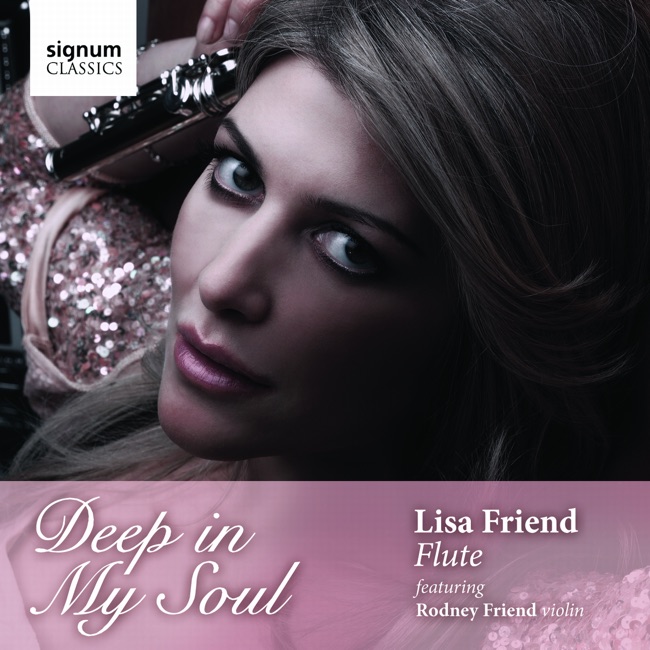 April 27, 2010
 -
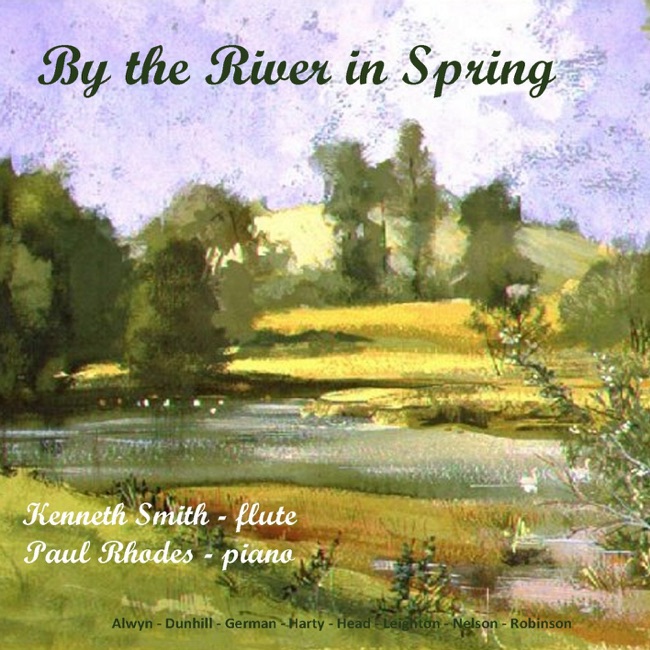 February 1, 2009
 -
 July 29, 2008
 -
 June 1, 2008
 -
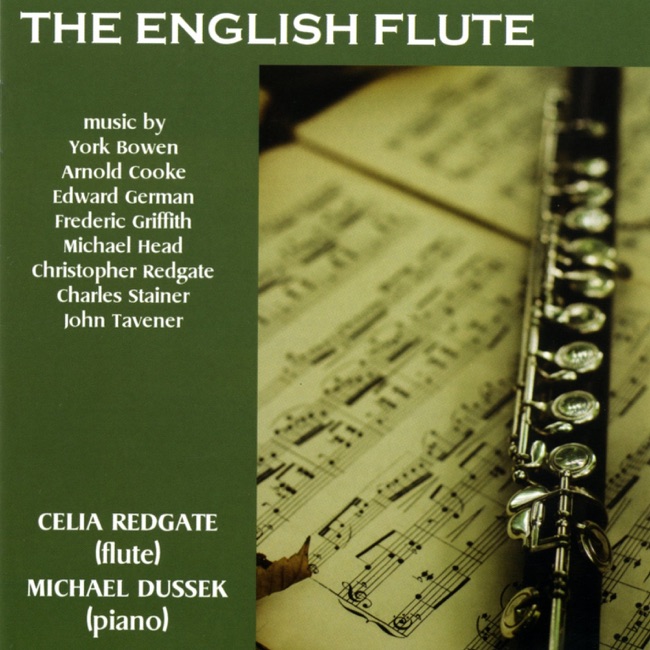 May 6, 2008
Vocal
-
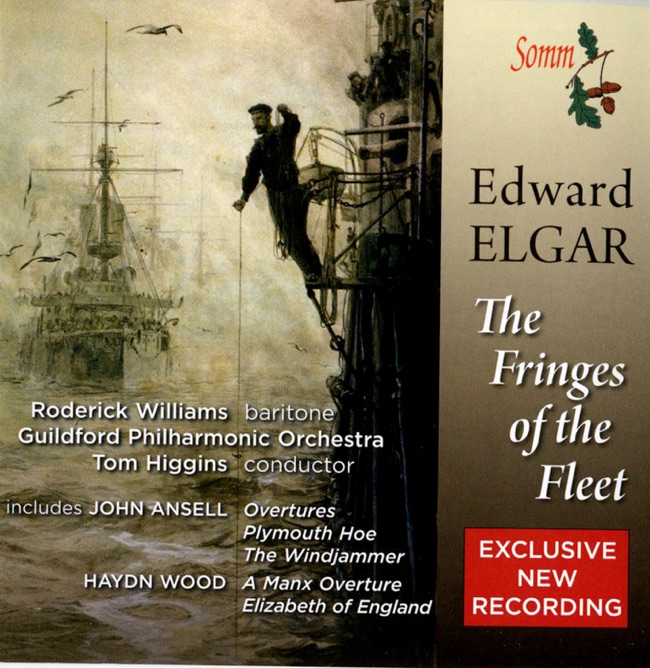 November 9, 2009
 -
 November 20, 2007
 -
 November 21, 2000
Artist Info
Role:ComposerCountry: United KingdomBirth:February 17, 1862 in Whitchurch, Shropshire, EnglandDeath:November 11, 1936 in London, EnglandPeriod:RomanticContemporaryGenre:KeyboardOperaOrchestralVocalEdward German was a British composer and conductor who was born on February 17, 1862, in Whitchurch, Shropshire, England. He was the youngest of six children born to William German, a church organist, and his wife, Elizabeth. From a young age, Edward showed a great interest in music and began playing the piano and violin at the age of six. He was also a talented singer and often performed in his father's church choir. At the age of 14, Edward was sent to London to study at the Royal Academy of Music. He studied composition under Arthur Sullivan, who was best known for his collaborations with W.S. Gilbert on the famous operettas, such as "The Pirates of Penzance" and "H.M.S. Pinafore." Sullivan was a great influence on Edward's musical style, and he would later go on to compose his own operettas and musicals. After completing his studies at the Royal Academy of Music, Edward began his career as a conductor and composer. He worked as a conductor for various theater companies and orchestras, including the Carl Rosa Opera Company and the Royal Philharmonic Society. He also composed music for a number of plays and musicals, including "Merrie England" and "Tom Jones." One of Edward's most famous works is his incidental music for William Shakespeare's play "Henry VIII." The music was first performed in 1892 and was a great success. The music was later used in a number of productions of the play, including a production at the Globe Theatre in 1910. In 1893, Edward composed his first operetta, "The Two Poets," which was a great success. The operetta was followed by a number of other successful works, including "Merrie England" (1902), "Tom Jones" (1907), and "Fallen Fairies" (1909). Edward's operettas were known for their catchy tunes and witty lyrics, and they were very popular with audiences. In addition to his work as a composer and conductor, Edward was also a respected music educator. He taught at the Guildhall School of Music and Drama in London and was appointed professor of composition at the Royal Academy of Music in 1920. He was also a member of the Royal Philharmonic Society and was awarded the Gold Medal of the Royal Philharmonic Society in 1928. Edward German died on November 11, 1936, at the age of 74. He was buried in Whitchurch, Shropshire, where he had been born. His legacy lives on through his music, which continues to be performed and enjoyed by audiences around the world. In conclusion, Edward German was a talented composer and conductor who made a significant contribution to the world of classical music. His catchy tunes and witty lyrics made his operettas and musicals very popular with audiences, and his incidental music for "Henry VIII" remains one of his most famous works. He was also a respected music educator and was awarded the Gold Medal of the Royal Philharmonic Society in recognition of his contributions to the world of music. Edward German's legacy continues to be celebrated today, and his music remains an important part of the classical music canon.More....
Recent Artist Music




Copyright Ⓒ 2013 Davinci Finger. All rights reseved
Service Terms & Policy