


USSR State Academic Russian Choir
Released Album
Choral
-
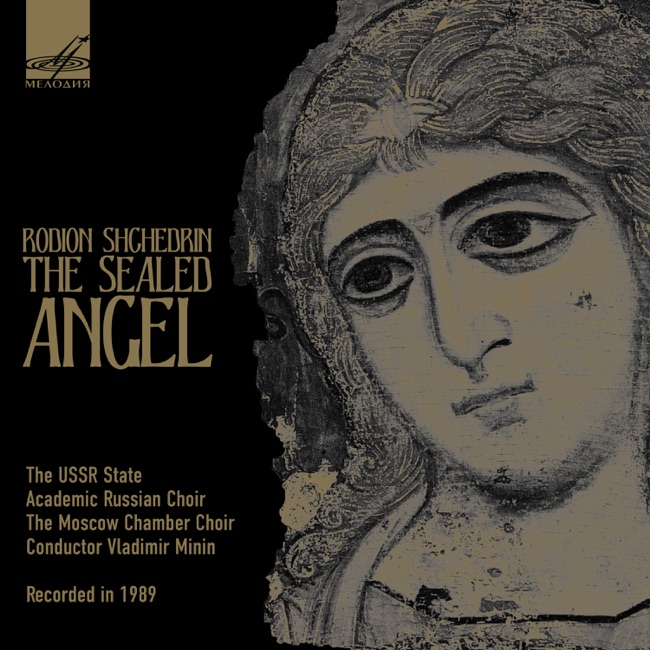 February 11, 2013
 -
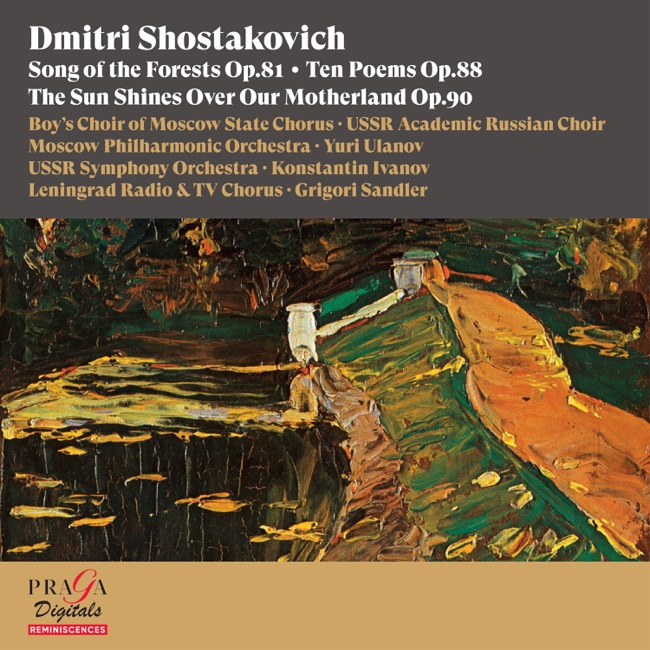
-
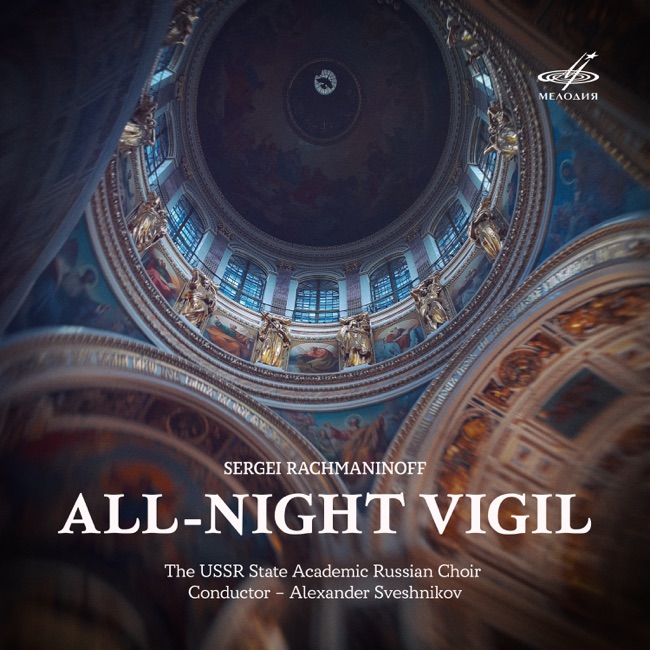 January 1, 1965
Vocal
-
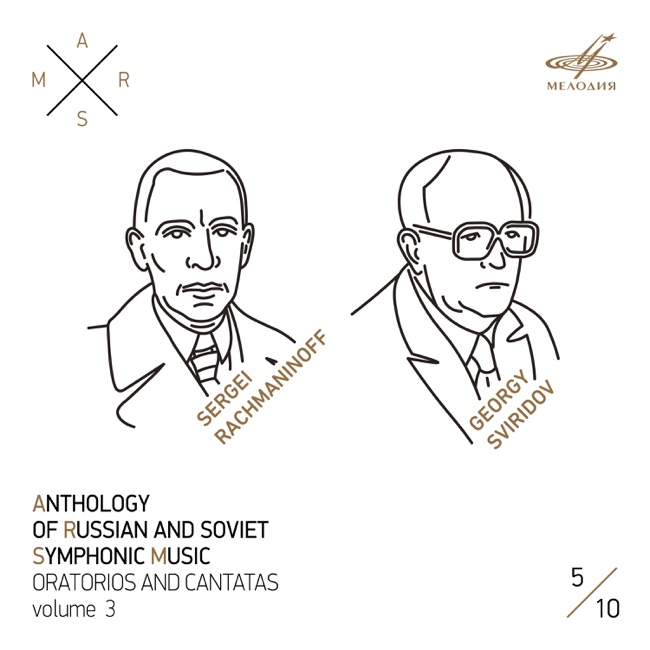 January 2, 2017
Opera
-
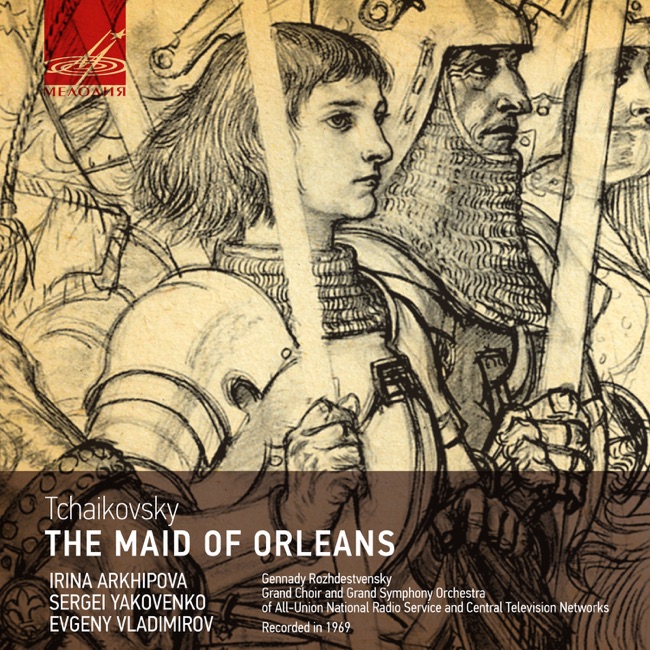 March 11, 2013
Artist Info
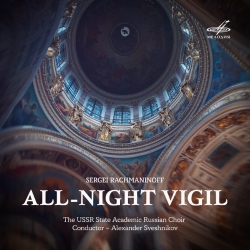
Role:EnsembleThe USSR State Academic Russian Choir, also known as the Russian State Choir, is one of the most renowned classical music ensembles in the world. The choir was founded in 1926 by Alexander Sveshnikov, a prominent Russian conductor and composer, and has since become a symbol of Russian culture and tradition. The choir's early years were marked by a series of successful performances in Russia and abroad. In 1935, the choir won the Grand Prix at the International Choral Competition in Paris, cementing its reputation as one of the finest choral ensembles in the world. Throughout the 1930s and 1940s, the choir continued to tour extensively, performing in Europe, Asia, and the Americas. During World War II, the choir played an important role in boosting morale among Soviet troops and civilians. The choir's performances were broadcast on the radio and used as propaganda to rally support for the war effort. In 1943, the choir performed at the Siege of Leningrad, a pivotal moment in the war that saw the city withstand a 900-day blockade by German forces. The choir's performance of the Russian national anthem, "The Internationale," became a symbol of resistance and resilience for the people of Leningrad. In the post-war years, the choir continued to thrive under the leadership of Sveshnikov and his successor, Alexander Yurlov. The choir's repertoire expanded to include not only traditional Russian folk songs and choral works, but also Western classical music and contemporary compositions. The choir's performances were marked by their precision, clarity, and emotional depth, earning them critical acclaim and a devoted following around the world. In 1965, the choir was awarded the title of "Academic" by the Soviet government, in recognition of its contributions to the arts and culture of the country. The choir's official name was changed to the USSR State Academic Russian Choir, reflecting its status as a national treasure. Throughout the 1970s and 1980s, the choir continued to tour extensively, performing in Europe, Asia, and the Americas. The choir's performances were marked by their technical excellence and emotional intensity, earning them a reputation as one of the greatest choral ensembles of all time. In 1991, following the collapse of the Soviet Union, the choir underwent a period of transition. Many of its members left to pursue other opportunities, and the choir's funding and support were significantly reduced. However, the choir continued to perform and record, and in 1993 it was awarded the prestigious Grammy Award for Best Choral Performance for its recording of Sergei Rachmaninoff's "Vespers." Today, the USSR State Academic Russian Choir continues to perform and record, under the leadership of conductor Valery Polyansky. The choir's repertoire remains diverse, encompassing traditional Russian folk songs, choral works by Russian and Western composers, and contemporary compositions. The choir's performances are marked by their technical excellence, emotional depth, and commitment to preserving and promoting the rich cultural heritage of Russia. In conclusion, the USSR State Academic Russian Choir is a true icon of classical music, with a rich history and legacy that spans nearly a century. From its early years as a small ensemble in Moscow to its status as a national treasure and international sensation, the choir has remained true to its roots while embracing new challenges and opportunities.More....
Recent Artist Music


Copyright Ⓒ 2013 Davinci Finger. All rights reseved
Service Terms & Policy