


Heino Eller
Released Album
Orchestral
-
-
 October 1, 2010
 -
 November 18, 2008
 -
Keyboard
-
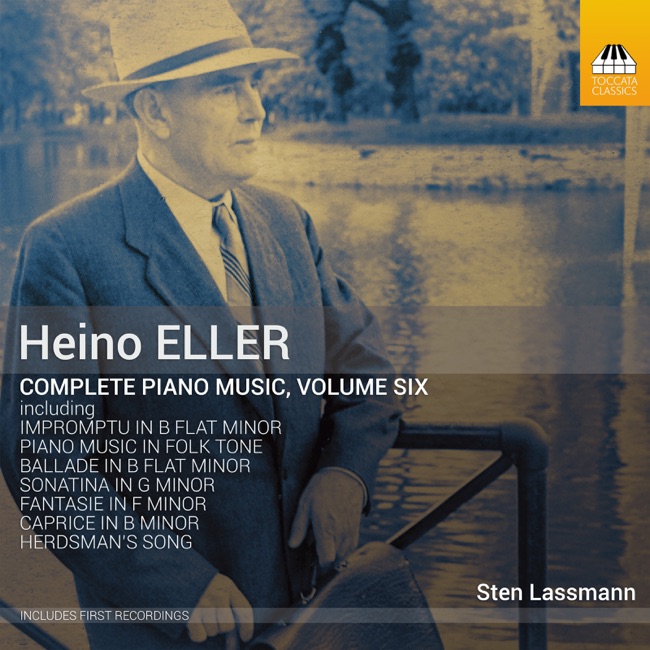 June 1, 2018
 -
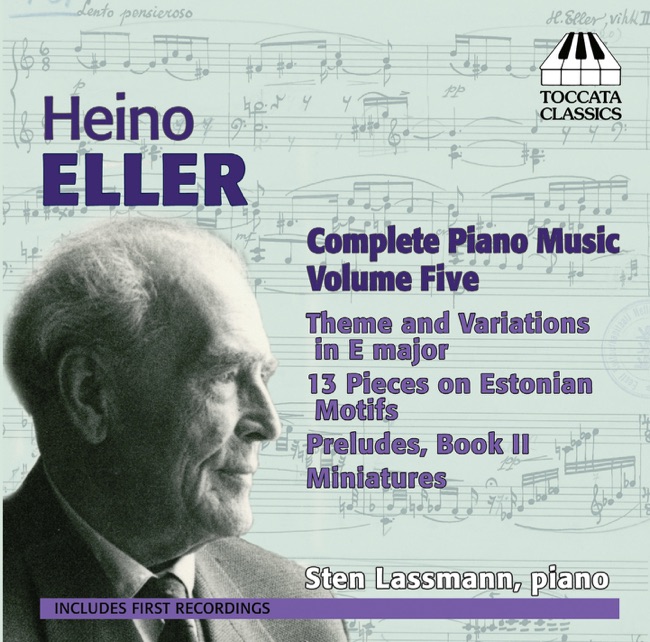 March 3, 2014
 -
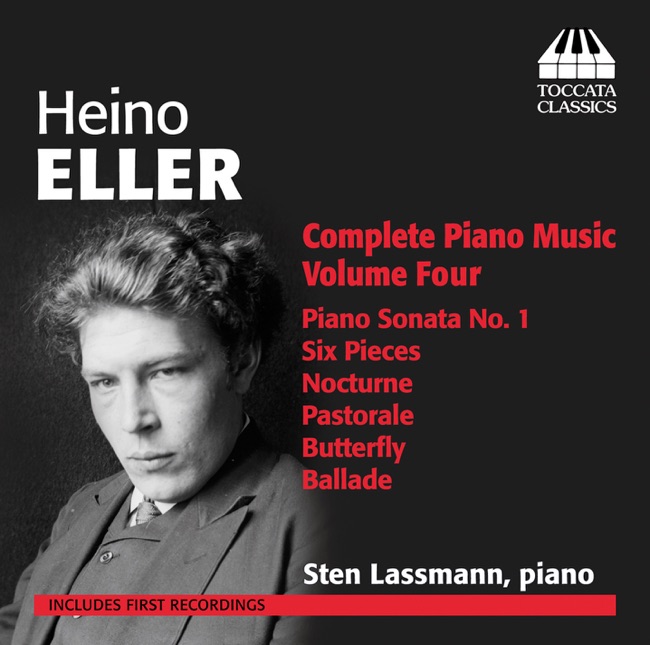 September 2, 2013
 -
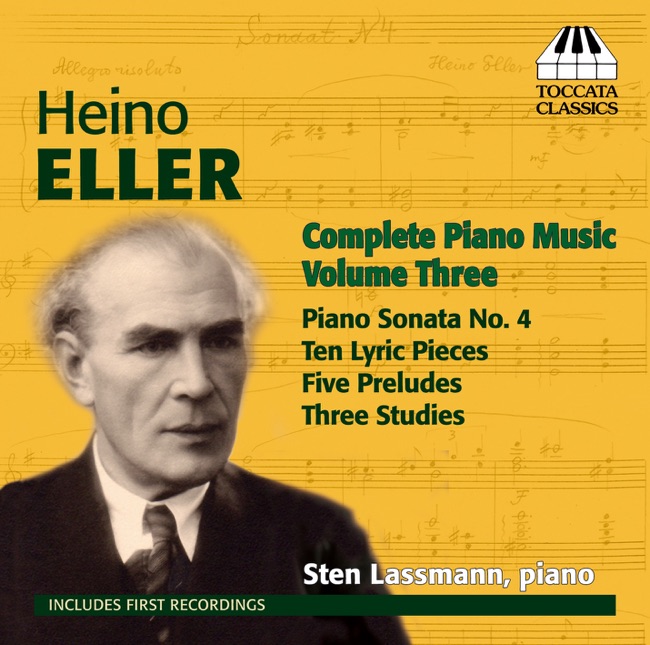 April 1, 2013
 -
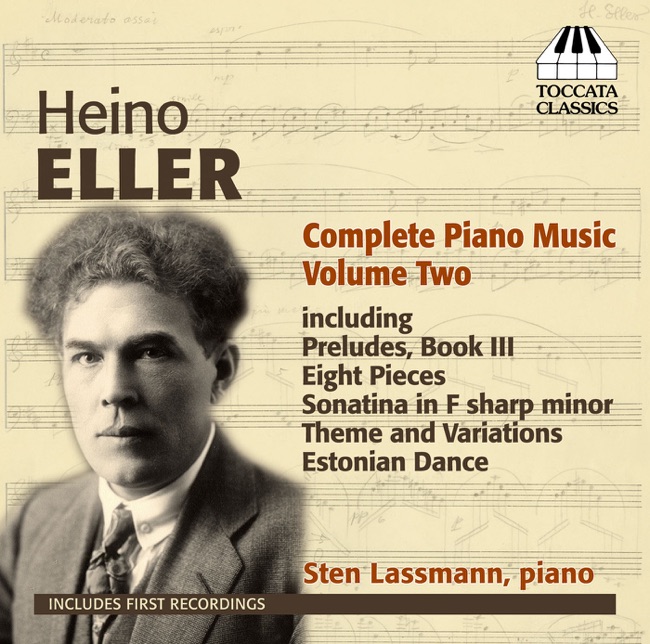 May 21, 2012
 -
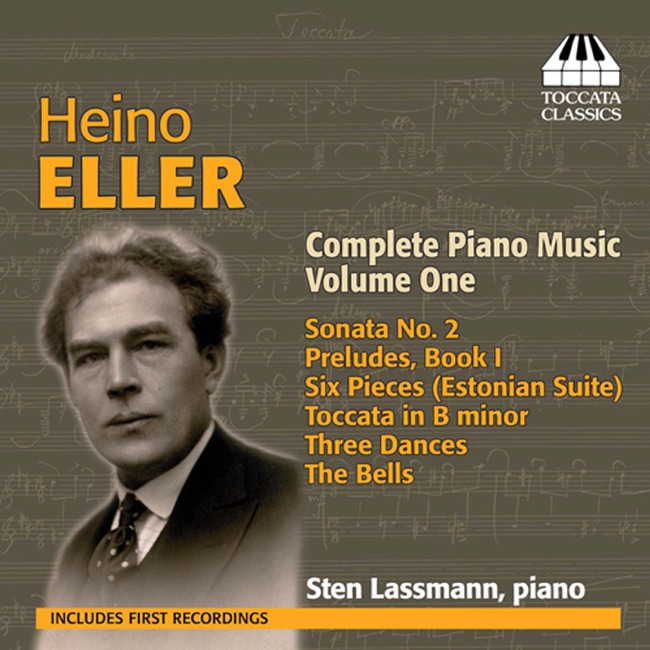 November 7, 2011
Concerto
-
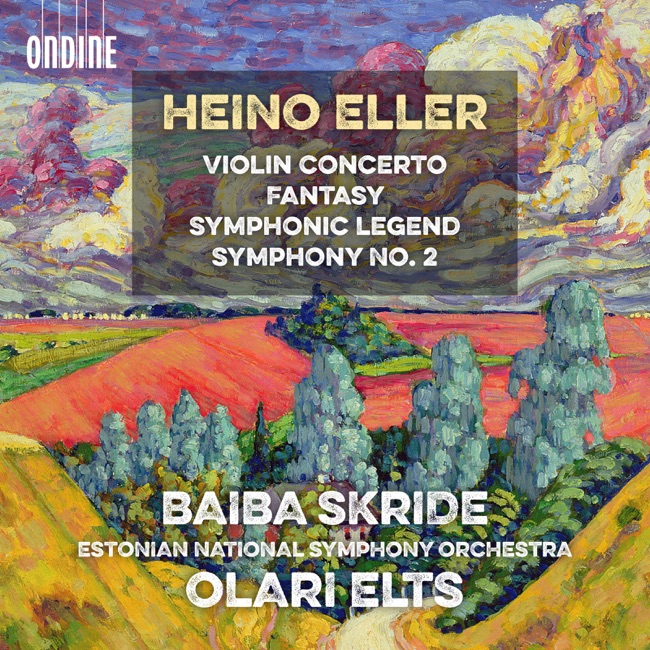
-
 April 16, 2012
Artist Info
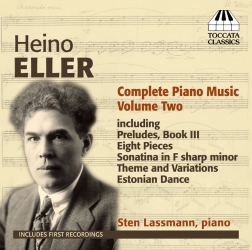
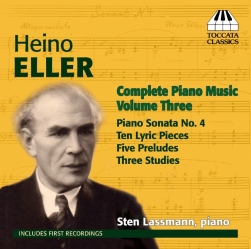
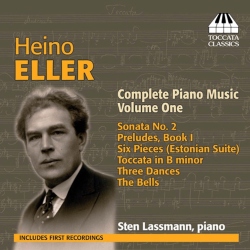
Role:ComposerCountry: EstoniaBirth:March 7, 1887 in Tartu, EstoniaDeath:June 16, 1970Period:ContemporaryModernGenre:ConcertoKeyboardOrchestralHeino Eller was a prominent Estonian composer and music educator who played a significant role in the development of classical music in Estonia during the 20th century. He was born on March 7, 1887, in Tartu, Estonia, to a family of musicians. His father, Karl Eller, was a music teacher and conductor, and his mother, Marie Eller, was a pianist. Heino Eller showed an early interest in music and began studying the violin and piano at a young age. In 1907, Eller enrolled at the St. Petersburg Conservatory, where he studied composition with Nikolai Rimsky-Korsakov, one of the most prominent Russian composers of the time. Rimsky-Korsakov's influence can be seen in Eller's early works, which are characterized by lush harmonies and colorful orchestration. After completing his studies in St. Petersburg, Eller returned to Estonia and began working as a music teacher and conductor. In 1918, Eller was appointed as a professor of composition at the Tallinn Conservatory, which had recently been established as the first music school in Estonia. He held this position for over 30 years and played a crucial role in shaping the curriculum and pedagogy of the school. Many of Estonia's most prominent composers, including Arvo Pärt and Veljo Tormis, studied under Eller at the Tallinn Conservatory. As a composer, Eller was known for his use of folk melodies and rhythms in his works. He was particularly interested in the music of the Estonian people, and he spent many years collecting and studying traditional Estonian songs and dances. This influence can be heard in many of his compositions, which often feature modal harmonies and irregular meters. One of Eller's most famous works is his Symphony No. 2, which was composed in 1927. The symphony is notable for its use of Estonian folk melodies and its dramatic, sweeping orchestration. The work was well-received both in Estonia and abroad and helped to establish Eller as one of the leading composers of his generation. Another important work by Eller is his "Kodumaine viis" ("Domestic Melody") for solo violin and orchestra, which was composed in 1924. The piece is based on a traditional Estonian folk tune and features virtuosic passages for the solo violin. It has become a staple of the Estonian classical music repertoire and is often performed by Estonian violinists. In addition to his work as a composer and educator, Eller was also a prominent music critic and writer. He wrote extensively on Estonian music and culture and was a strong advocate for the development of a distinct Estonian musical identity. His writings helped to shape the discourse around Estonian music and played a significant role in the cultural and political movements of the time. Eller continued to compose and teach until his death in 1970. His legacy as a composer and educator has had a lasting impact on Estonian music, and his works continue to be performed and studied today. He is remembered as one of the most important figures in the development of classical music in Estonia and as a champion of Estonian culture and identity.More....
Recent Artist Music
15
23:16


Copyright Ⓒ 2013 Davinci Finger. All rights reseved
Service Terms & Policy