


Michio Miyagi
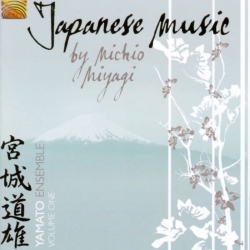
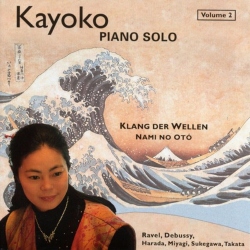
Released Album
Chamber
-
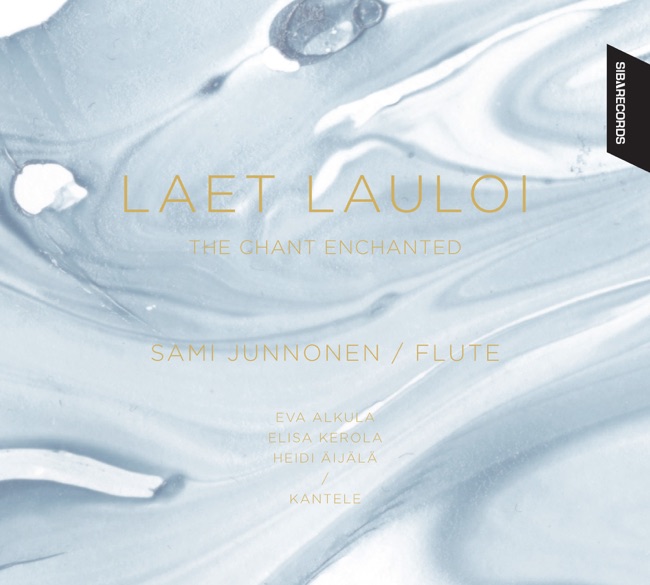 November 13, 2015
 -
 December 11, 2012
 -
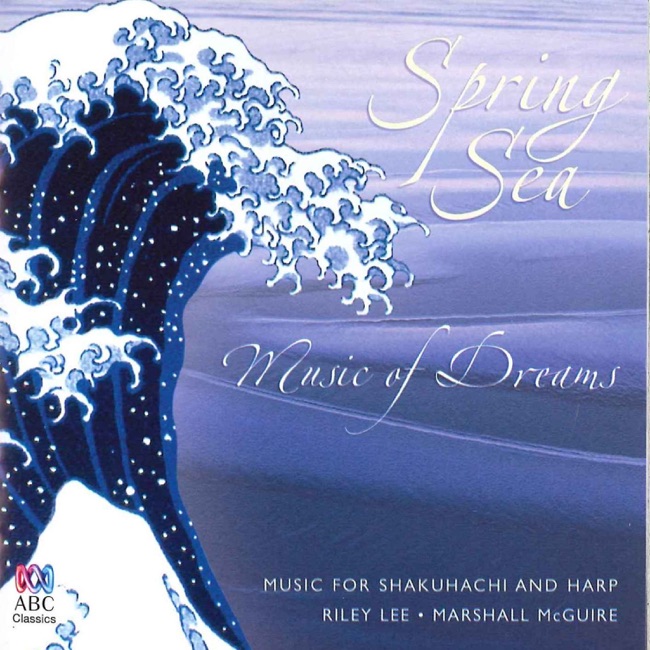 April 24, 2012
 -
 January 27, 2009
 -
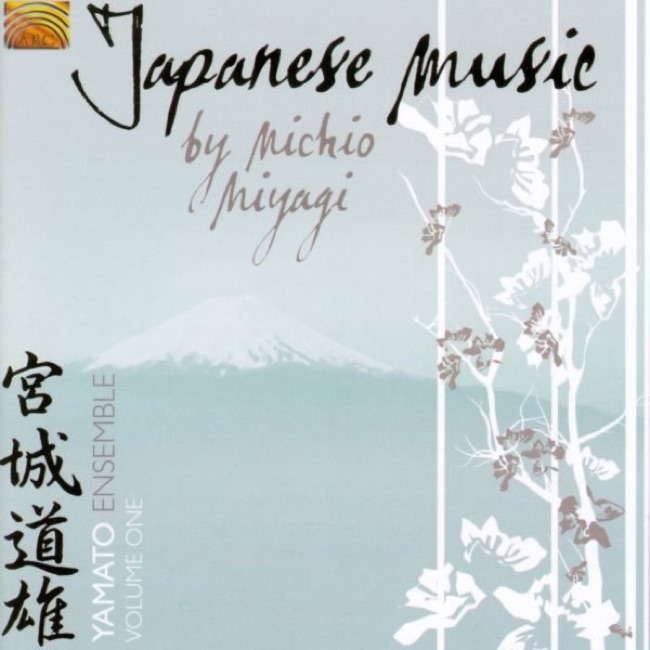 June 29, 2007
 -
 August 7, 2001
Miscellaneous
-
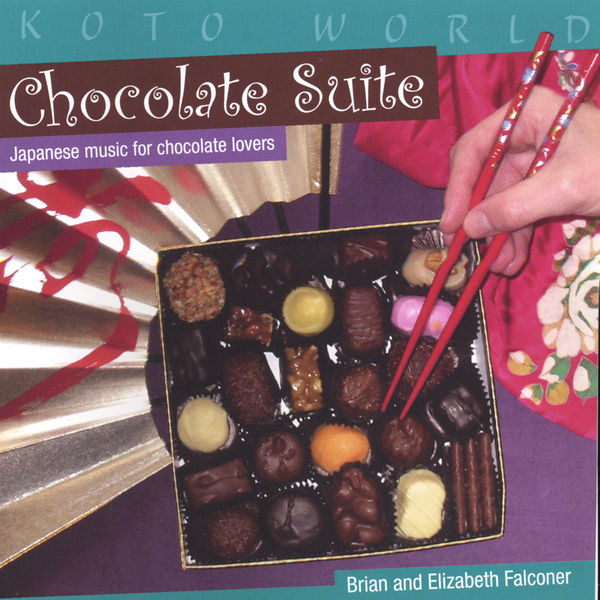 March 8, 2004
Artist Info
Role:Composer PerformerCountry: JapanBirth:April 7, 1894 in Kobe, JapanDeath:June 25, 1956 in Kariya, JapanGenre:ChamberMichio Miyagi was a Japanese composer and musician who is best known for his contributions to the koto, a traditional Japanese stringed instrument. Born on April 7, 1894, in Kobe, Japan, Miyagi was the son of a koto player and began studying the instrument at a young age. He quickly showed a natural talent for music and began composing his own pieces as a teenager. Miyagi's early years were marked by tragedy, as his father died when he was just 14 years old. Despite this setback, Miyagi continued to pursue his passion for music and eventually became a student of the renowned koto player and composer Nakao Tozan. Under Tozan's tutelage, Miyagi honed his skills as a musician and began to develop his own unique style of composition. In 1919, Miyagi made his debut as a professional musician, performing at a concert in Tokyo. He quickly gained a reputation as one of the most talented koto players of his generation and began to attract a following among both Japanese and Western audiences. In 1921, he traveled to the United States to perform at the Panama-Pacific International Exposition in San Francisco, where he was hailed as a musical ambassador for Japan. Throughout the 1920s and 1930s, Miyagi continued to compose and perform, creating a body of work that blended traditional Japanese music with Western classical influences. His most famous composition, "Haru no Umi" (The Sea in Spring), was written in 1929 and remains one of the most beloved pieces of Japanese classical music. The piece is a duet for koto and shakuhachi, a traditional Japanese bamboo flute, and is known for its haunting melody and evocative imagery. In addition to his work as a composer and performer, Miyagi was also a teacher and mentor to a generation of young musicians. He founded the Miyagi Michio Koto Music Institute in Tokyo in 1938, which became one of the most prestigious schools for koto players in Japan. Many of his students went on to become accomplished musicians in their own right, carrying on Miyagi's legacy and spreading the beauty of traditional Japanese music around the world. Miyagi's career was interrupted by World War II, during which he was drafted into the Japanese army and sent to China. He continued to compose and perform during his time in the military, but his experiences during the war left a deep impression on him and influenced his later work. After the war, Miyagi returned to Japan and resumed his career as a musician and composer. In the years following the war, Miyagi's work took on a more introspective and contemplative tone. He began to explore themes of loss, grief, and the transience of life, creating pieces that were deeply personal and reflective. One of his most famous works from this period is "Haro no Umi no Shirabe" (The Sea in Spring, A Melody), which was written in memory of his wife, who had died of tuberculosis. Miyagi continued to compose and perform until his death in 1956 at the age of 62. His legacy as a composer and musician has endured, and his work continues to be celebrated and performed around the world. In addition to "Haru no Umi," some of his other notable compositions include "Kojo no Tsuki" (Moon Over the Ruined Castle), "Sakura" (Cherry Blossoms), and "Mizu no Hentai" (Metamorphosis of Water). Miyagi's contributions to the world of classical music are significant not only for their beauty and artistry but also for their role in preserving and promoting traditional Japanese music.More....









Copyright Ⓒ 2013 Davinci Finger. All rights reseved
Service Terms & Policy