


Ferdinando Paër
Released Album
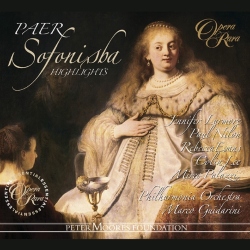
Opera
-
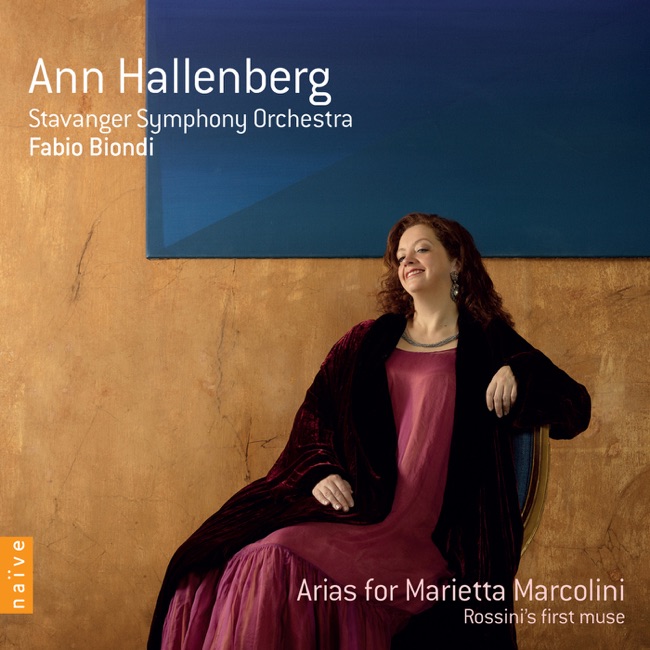 September 25, 2012
 -
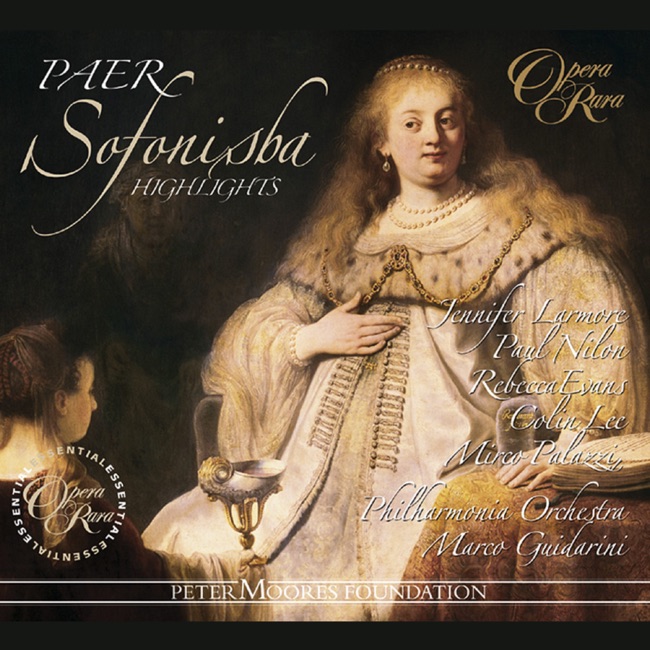 November 14, 2006
 -
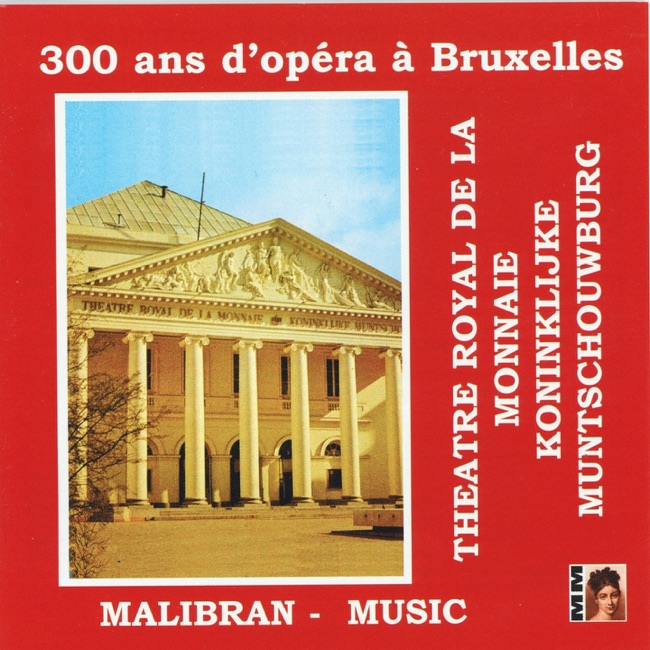 February 27, 2001
 -
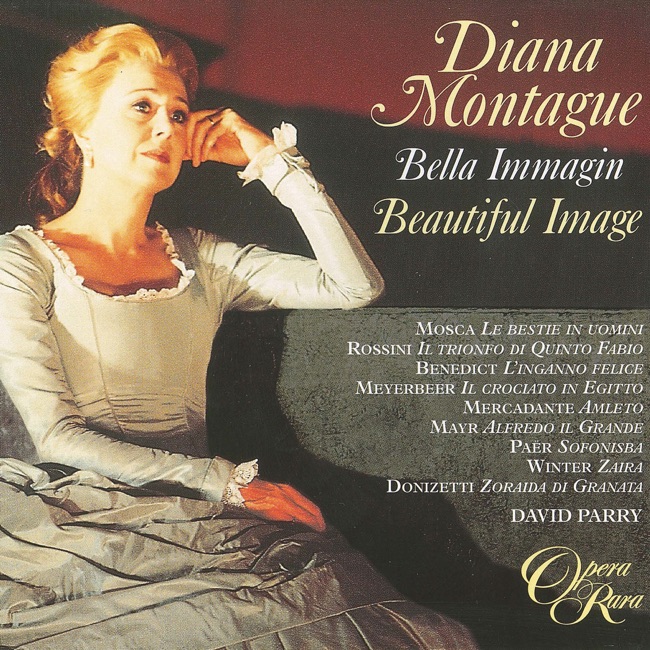 May 1, 2000
 -
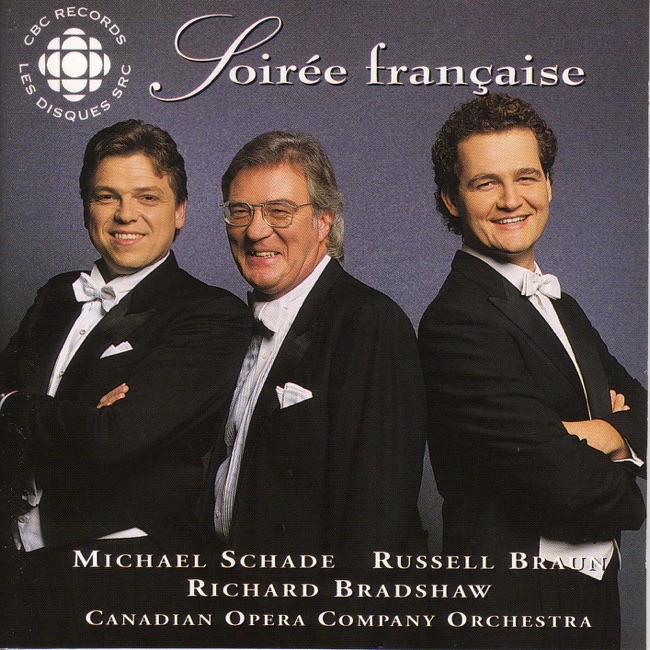 November 18, 1997
 -
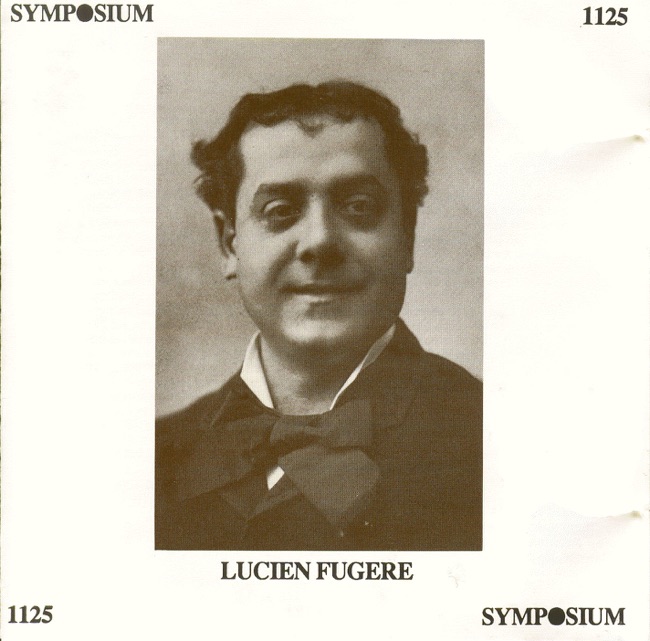 October 24, 1994
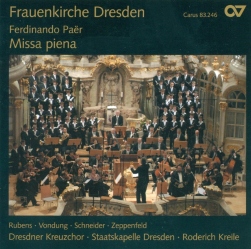
Choral
-
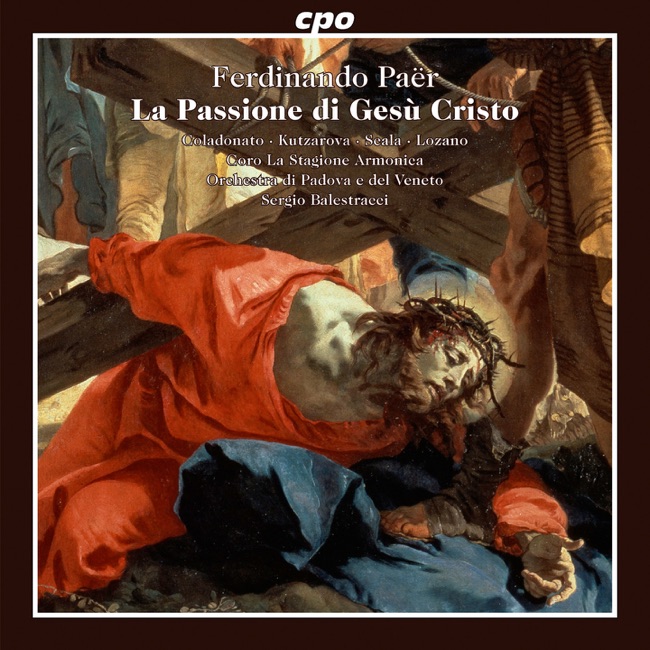 May 12, 2015
 -
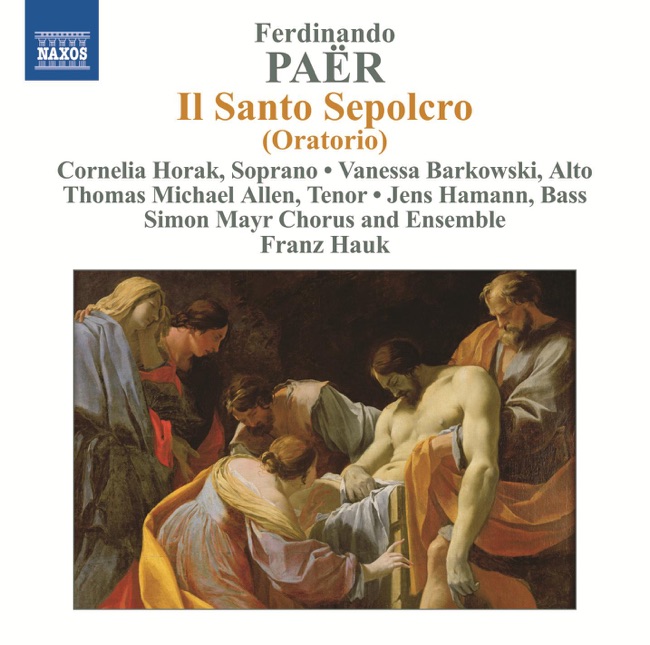 December 3, 2012
 -
 June 28, 2011
 -
 April 14, 2009
Vocal
-
 September 4, 2009
 -
 December 1, 1999
Keyboard
-
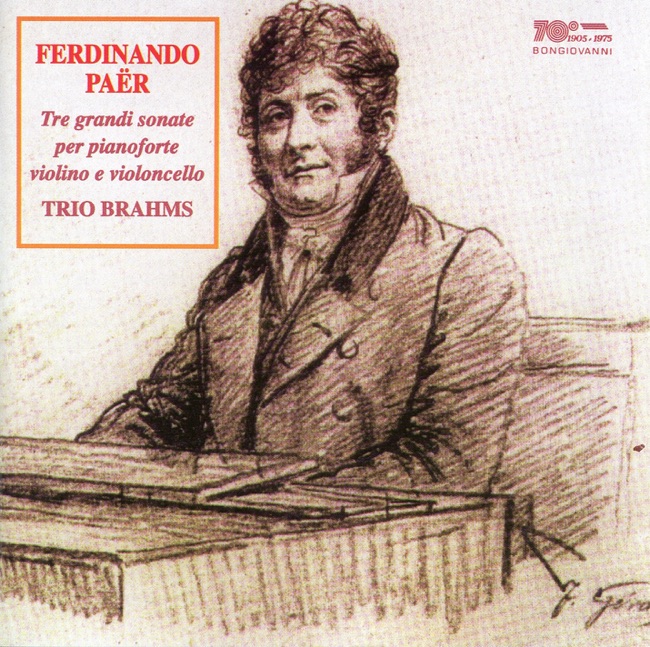 November 1, 2013
 -
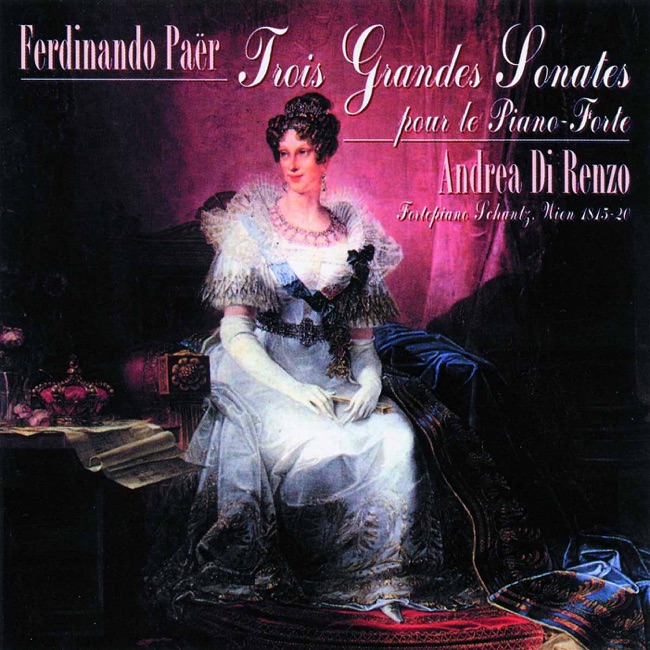 January 17, 2000
Artist Info
Role:ComposerCountry: ItalyBirth:June 1, 1771 in Parma, ItalyDeath:May 3, 1839 in Paris, FrancePeriod:ClassicalGenre:KeyboardOperaVocalFerdinando Paër was a prominent classical music composer of the late 18th and early 19th centuries. He was born on June 1, 1771, in Parma, Italy, to a family of musicians. His father, Giuseppe Paër, was a composer and conductor, and his mother, Maria Teresa Agnesi, was a singer and composer. Ferdinando Paër showed an early interest in music and began studying the piano and violin at a young age. Paër's musical education continued at the Conservatorio di San Giovanni in Parma, where he studied composition with Ferdinando Gasparini and counterpoint with Giuseppe Martini. He also studied singing with his mother and became a skilled tenor. After completing his studies, Paër began his career as a composer and conductor, working in various cities throughout Italy. In 1797, Paër was appointed as the music director of the Teatro alla Scala in Milan, one of the most prestigious opera houses in Europe. During his tenure, he composed several successful operas, including "Agnese," "I fuorusciti di Firenze," and "Camilla." His operas were known for their melodic beauty, dramatic intensity, and innovative orchestration. In 1802, Paër moved to Vienna, where he became the court composer to Emperor Franz II. He composed several operas for the court, including "Achille in Sciro," "Sargino," and "Leonora." His operas were well-received by audiences and critics alike, and he became one of the most sought-after composers in Vienna. Paër's success in Vienna led to invitations to compose for other European opera houses. He composed operas for the Teatro San Carlo in Naples, the Teatro La Fenice in Venice, and the Théâtre de l'Opéra in Paris. His most successful opera, "Agnes von Hohenstaufen," premiered in Paris in 1814 and was performed throughout Europe. In addition to his operas, Paër composed several instrumental works, including symphonies, chamber music, and piano pieces. His instrumental music was influenced by the classical style of Haydn and Mozart, but also showed a forward-looking approach to harmony and form. Paër's career continued to flourish throughout the early 19th century, but his fortunes began to decline in the 1820s. The rise of Romanticism in music led to a shift in taste away from Paër's classical style, and his operas fell out of favor with audiences. He continued to compose, but his later works were not as successful as his earlier ones. Paër died on May 3, 1839, in Paris, at the age of 67. Despite his decline in popularity, he left behind a significant body of work that demonstrated his skill as a composer and his contribution to the development of Italian opera. His operas were known for their beautiful melodies, dramatic intensity, and innovative orchestration, and his instrumental music showed a forward-looking approach to harmony and form. Today, Paër is remembered as one of the leading composers of his time and an important figure in the history of Italian opera.More....
Recent Artist Music
3
10:58
Copyright Ⓒ 2013 Davinci Finger. All rights reseved
Service Terms & Policy