


Lili Boulanger
Released Album
Chamber
-
 May 30, 2024
 -
 February 16, 2024
 -
 January 26, 2024
 -
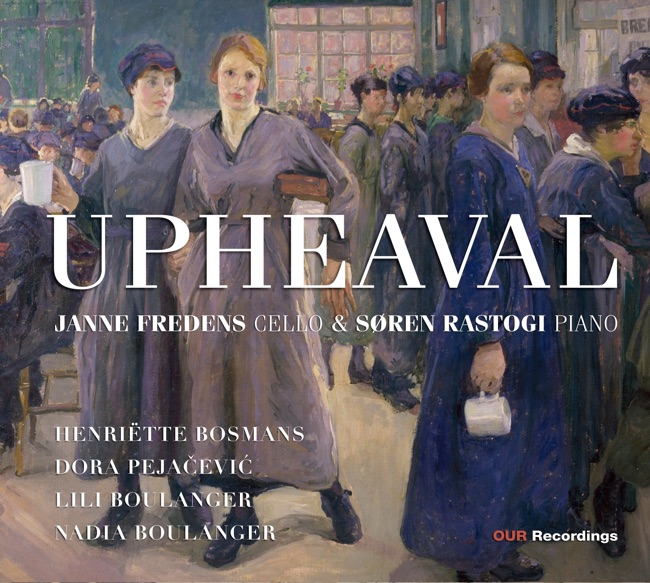 January 19, 2024
 -
 September 15, 2023
Keyboard
-
 September 10, 2024
 -
 September 10, 2024
 -
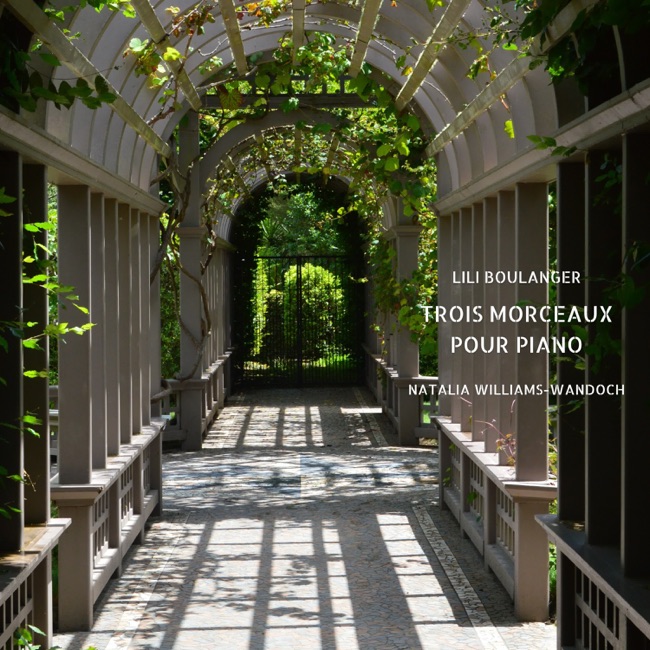 March 15, 2024
 -
 March 1, 2024
 -
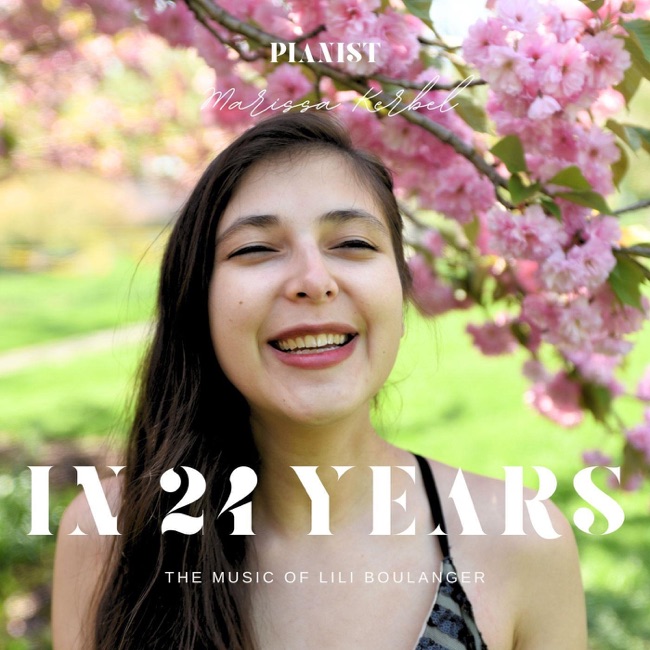 November 23, 2023
 -
 May 2, 2023
Vocal
-
 July 19, 2024
 -
 May 10, 2024
 -
 September 22, 2023
 -
 August 18, 2023
 -
 February 3, 2023
 -
 October 21, 2022
Choral
-
 June 1, 2018
 -
 January 6, 2017
 -

-
 October 12, 2012
 -

-
 July 3, 2008
Artist Info
Role:ComposerCountry: FranceBirth:August 21, 1893 in Paris, FranceDeath:March 15, 1918 in Mézy, FrancePeriod:ModernGenre:ChamberChoralVocalLili Boulanger was a French composer who lived from 1893 to 1918. She was born into a family of musicians in Paris, France. Her father, Ernest Boulanger, was a composer and professor of composition at the Paris Conservatory, and her mother, Raissa Myshetskaya, was a Russian princess and singer. Lili's older sister, Nadia Boulanger, also became a renowned composer and music educator. Lili showed an early talent for music and began composing at a young age. She studied piano with her mother and later with Alfred Cortot, a prominent French pianist. She also studied composition with her father and later with Gabriel Fauré, a leading French composer of the time. Despite her talent and training, Lili's health was fragile throughout her life. She suffered from chronic illness and was often bedridden. Despite this, she continued to compose and produce a significant body of work. One of Lili's most famous works is her setting of Psalm 24, "Psaume 24." She composed this piece in 1916, during World War I, and it reflects the turmoil and uncertainty of the time. The piece begins with a somber, mournful melody that gradually builds in intensity and complexity. The choir sings the text of the psalm in a powerful, declamatory style, with the music rising and falling in waves of emotion. The piece ends with a triumphant, joyful section that celebrates the victory of the righteous. Another notable work by Lili is her "D'un soir triste" ("Of a Sad Evening"), which she composed in 1918, just before her death. This piece is a hauntingly beautiful elegy that reflects Lili's own sense of sadness and loss. The music is spare and melancholy, with a sense of longing and nostalgia. The piece ends with a quiet, resigned acceptance of fate. Lili also composed several works for solo piano, including her "Trois morceaux pour piano" ("Three Pieces for Piano"). These pieces are characterized by their lyrical melodies and rich harmonies, and they showcase Lili's skill as a pianist and composer. Despite her short life and fragile health, Lili Boulanger left a lasting legacy in the world of classical music. Her works are still performed and admired today, and she is remembered as one of the most talented and innovative composers of her time.More....
Recent Artist Music
1

5:40


8

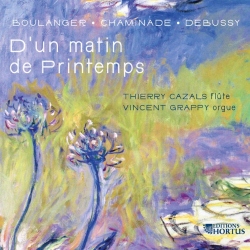
Of a spring morning
D'un matin de printemps. No. 1 from Deux Pièces en trio for Violin, Cello, and Piano
4:47



13
5:25
Works Highlight
Recommend Playlist
















Copyright Ⓒ 2013 Davinci Finger. All rights reseved
Service Terms & Policy