


Reinhard Keiser
Released Album
Opera
-
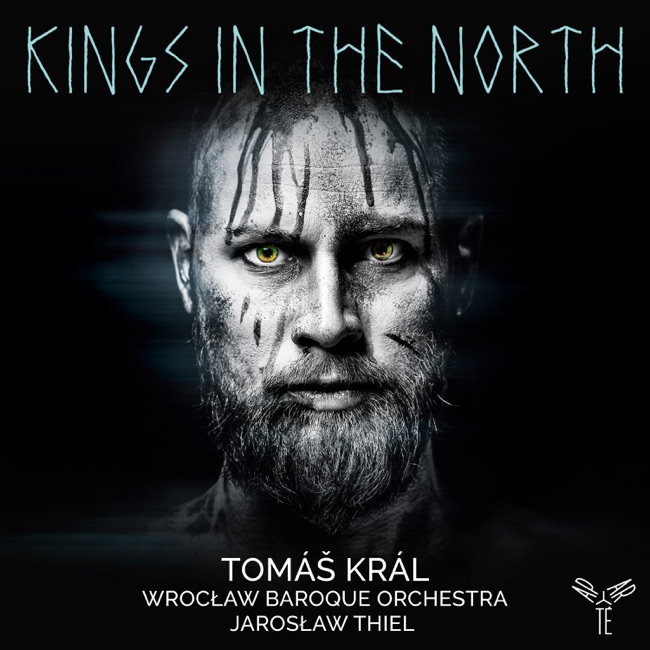 December 30, 2022
 -
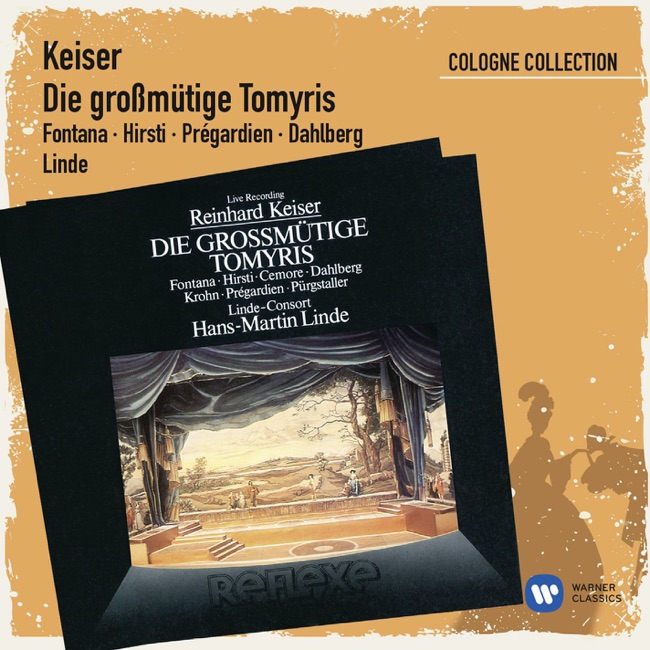 March 25, 2013
 -
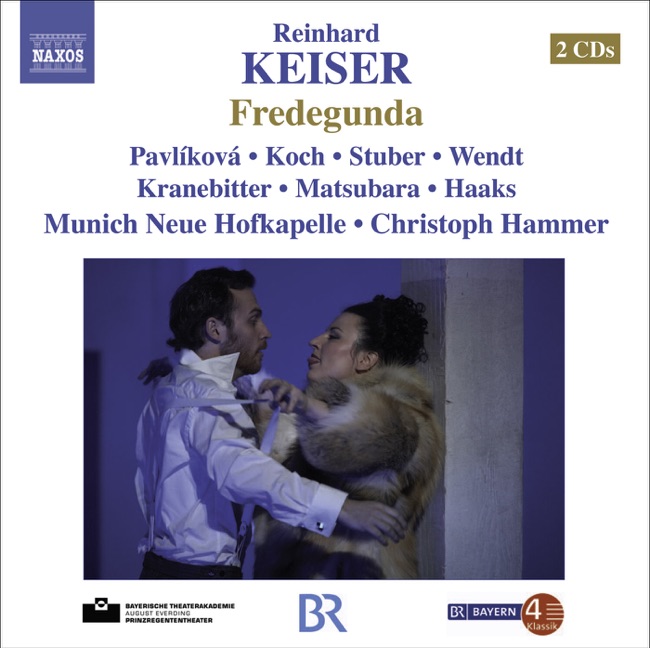 January 27, 2009
 -
 November 23, 2006
 -
 2005
2005 -
 March 1, 2001
Vocal
-
 November 27, 2015
 -
 April 27, 2010
 -
 January 20, 2004
Choral
-
 November 18, 2022
 -
 April 21, 2014
 -
 June 1, 2010
 -
Orchestral
-
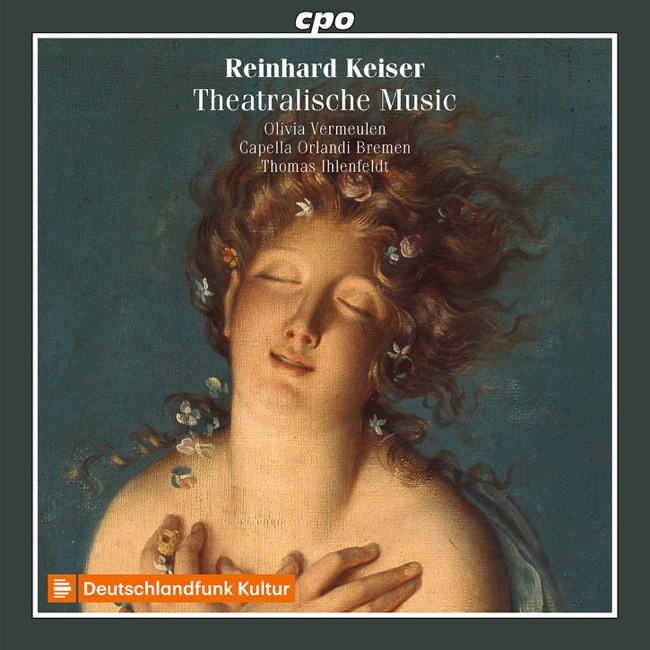 July 3, 2020
Artist Info
Role:ComposerCountry: GermanyBirth:January 9, 1674 in Leipzig, GermanyDeath:September 12, 1739 in Hamburg, GermanyPeriod:BaroqueGenre:OperaVocalReinhard Keiser was a German composer of the Baroque era, born on January 9, 1674, in Teuchern, Saxony-Anhalt, Germany. He was the son of a pastor and grew up in a musical family. His father was a skilled musician and taught him the basics of music theory and composition. Keiser showed an early interest in music and began composing at a young age. Keiser received his formal musical education in Leipzig, where he studied with Johann Kuhnau, the cantor of the Thomaskirche. Kuhnau was a highly respected composer and musician, and his influence on Keiser's musical style can be seen in many of his works. Keiser also studied law at the University of Leipzig, but his passion for music led him to pursue a career as a composer. In 1694, Keiser was appointed as the court composer for the Duke of Weissenfels. He held this position for several years and composed many works for the court, including operas, cantatas, and instrumental music. In 1703, he moved to Hamburg, where he became the director of the Hamburg Opera. This was a prestigious position, and Keiser quickly established himself as one of the leading composers of his time. Keiser's operas were highly popular during his lifetime, and he composed over 100 of them. His most famous works include "Croesus," "Octavia," and "The Ridiculous Prince Jodelet." Keiser's operas were known for their dramatic intensity and emotional depth. He was a master of the recitative style, which allowed him to convey the emotions of the characters through the music. In addition to his operas, Keiser also composed many cantatas and instrumental works. His cantatas were often performed in churches and were highly regarded for their musical complexity and emotional depth. His instrumental works, such as his sonatas and concertos, were also highly regarded and were often performed in public concerts. Keiser's music was highly influential during his lifetime, and he was regarded as one of the leading composers of the Baroque era. His works were performed throughout Europe, and he was highly respected by his contemporaries. However, after his death in 1739, his music fell out of favor, and he was largely forgotten for several centuries. In recent years, there has been a renewed interest in Keiser's music, and many of his works have been rediscovered and performed. His operas, in particular, have received renewed attention, and several recordings of his works have been released. Keiser's music is now recognized as an important contribution to the Baroque era, and his influence can be seen in the works of many later composers. In conclusion, Reinhard Keiser was a highly influential composer of the Baroque era. His music was characterized by its dramatic intensity and emotional depth, and he was a master of the recitative style. His operas were highly popular during his lifetime, and he composed over 100 of them. Although his music fell out of favor after his death, there has been a renewed interest in his works in recent years, and his music is now recognized as an important contribution to the Baroque era.More....
Recent Artist Music
2
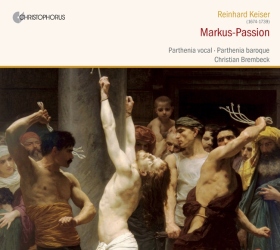
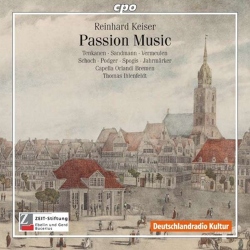
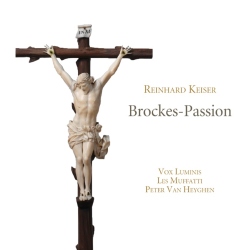
St Mark Passion
Part 1. No. 1. Sonate. Jesus Christus / No. 2. Rezitativ. Und da sie / No. 3. Arie. Hat dich die An
9:13

13
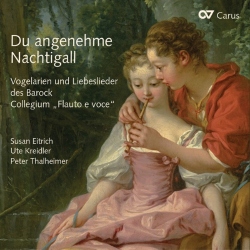
Little birds, your jokes (for the singspiel "Arsinoe")
Kleine Vöglein, eure Scherze (from Arsinoe)
2:31


Copyright Ⓒ 2013 Davinci Finger. All rights reseved
Service Terms & Policy