


Codex Chantilly Anonymous
Released Album
Vocal
-
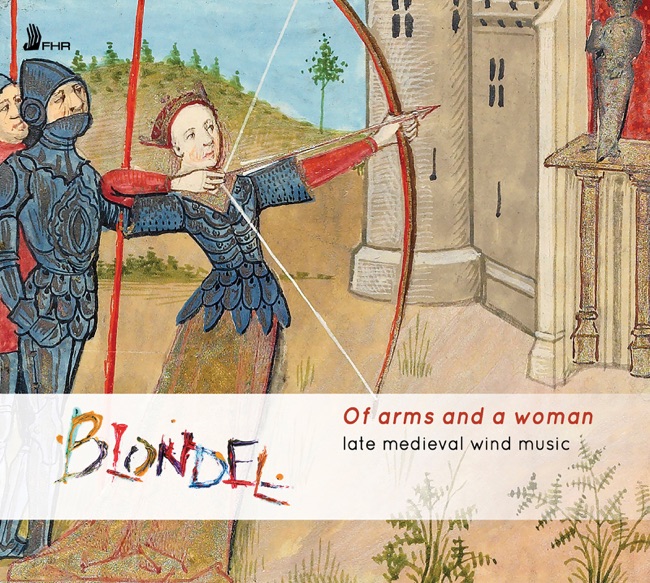 March 15, 2019
 -
 November 14, 2011
 -
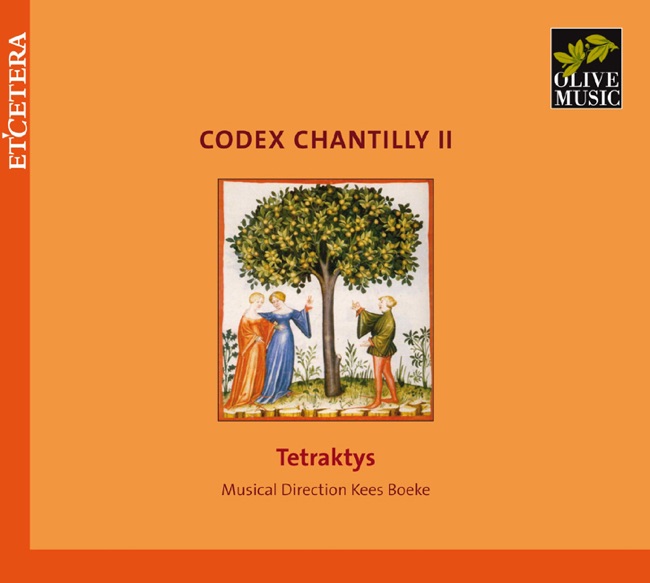 September 19, 2011
 -
 February 8, 2011
 -
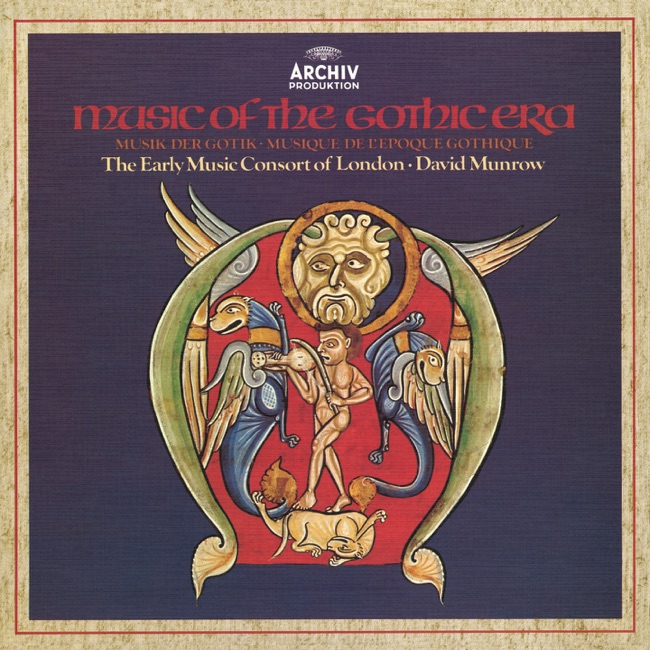 January 1, 2010
 -
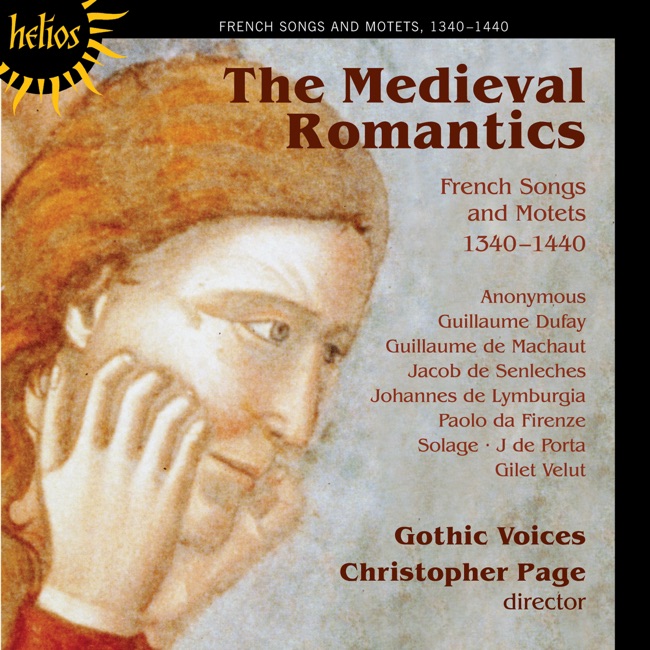 February 4, 2008
Artist Info
Role:ComposerCountry: FranceBirth:1395Death:1400Genre:VocalCodex Chantilly Anonymous is a composer of medieval music whose identity remains unknown to this day. The Codex Chantilly, a manuscript containing a collection of music from the 14th and 15th centuries, is the only source of information about this composer. The manuscript is currently housed in the Bibliothèque du Château de Chantilly in France, hence the name Codex Chantilly. The Codex Chantilly contains a wide variety of music, including secular and sacred pieces, as well as instrumental and vocal works. The manuscript is believed to have been compiled in the late 14th or early 15th century, and it is thought to have originated in northern France. The music in the Codex Chantilly is representative of the Ars subtilior style, which was popular in France and Italy during the late 14th and early 15th centuries. Little is known about the life of Codex Chantilly Anonymous. It is not clear whether the composer was a professional musician or an amateur. The manuscript contains no biographical information about the composer, and there are no records of a musician by this name from the time period. It is possible that Codex Chantilly Anonymous was a member of the aristocracy or a member of the clergy, as these were the groups most likely to have had access to the resources necessary to produce a manuscript of this kind. Despite the lack of information about the composer, the music in the Codex Chantilly is highly regarded by scholars and musicians alike. The manuscript contains some of the most complex and intricate music of the Ars subtilior style, and it is considered a masterpiece of medieval music. The music in the Codex Chantilly is characterized by its use of complex rhythms, intricate melodic lines, and unusual harmonies. One of the most famous pieces in the Codex Chantilly is the chanson "Belle, bonne, sage" (Beautiful, Good, Wise). This piece is a secular song that was popular in France during the 14th and 15th centuries. The melody is simple and elegant, and the lyrics praise the virtues of a beautiful, good, and wise woman. The piece is notable for its use of syncopated rhythms and unusual harmonies, which give it a distinctive sound. Another famous piece in the Codex Chantilly is the motet "Aptatur" (It is Fitted). This piece is a sacred work that was likely composed for use in a church service. The motet is notable for its use of complex rhythms and intricate melodic lines. The piece is divided into three parts, each of which features a different text. The first part is a prayer to the Virgin Mary, the second part is a hymn to the Holy Spirit, and the third part is a prayer to God the Father. The Codex Chantilly also contains a number of instrumental pieces, including dances and estampies. These pieces are characterized by their lively rhythms and catchy melodies. One of the most famous instrumental pieces in the manuscript is the estampie "Tre Fontane" (Three Fountains). This piece is named after a monastery near Rome, and it is believed to have been composed in the late 14th century. The piece is notable for its use of syncopated rhythms and unusual harmonies. In addition to the music in the Codex Chantilly, there are also a number of illustrations in the manuscript. These illustrations depict scenes from everyday life, as well as scenes from mythology and the Bible. The illustrations provide a glimpse into the world of the late medieval period, and they help to contextualize the music in the manuscript.More....
Recent Artist Music
1
2:25
2
1:45
3
3:53
6
2:51
8
2:15
9
3:28
10
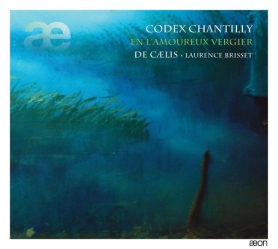
Alpha vibrans / Coetus venit / Amicum querit
Alpha Vibrans / Coetus Venit / Amicum Querit (Motet)
2:44
Copyright Ⓒ 2013 Davinci Finger. All rights reseved
Service Terms & Policy