


Ignaz Friedman
Released Album
Keyboard
-
 June 18, 2021
 -
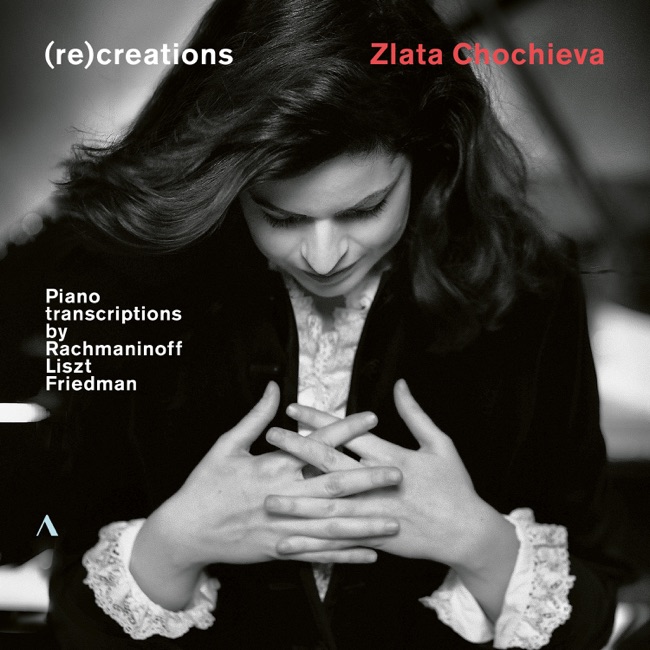 February 26, 2021
 -
 November 26, 2020
 -
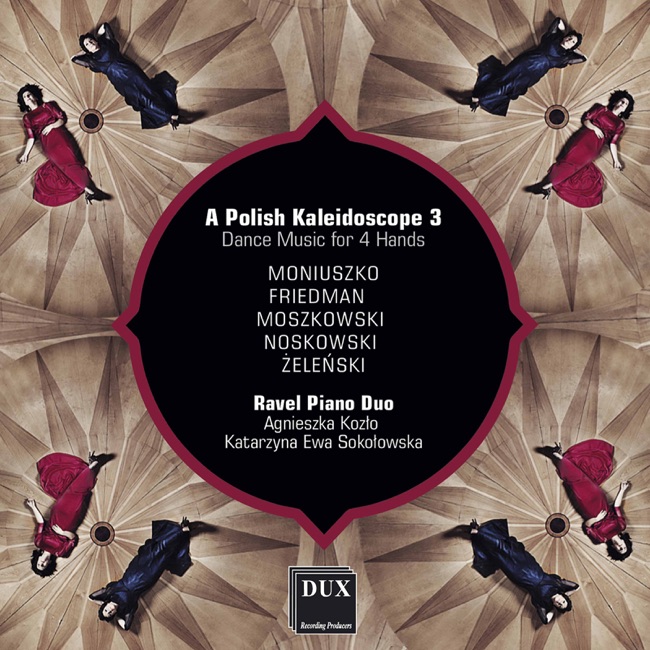 September 4, 2020
 -
 August 7, 2020
 -
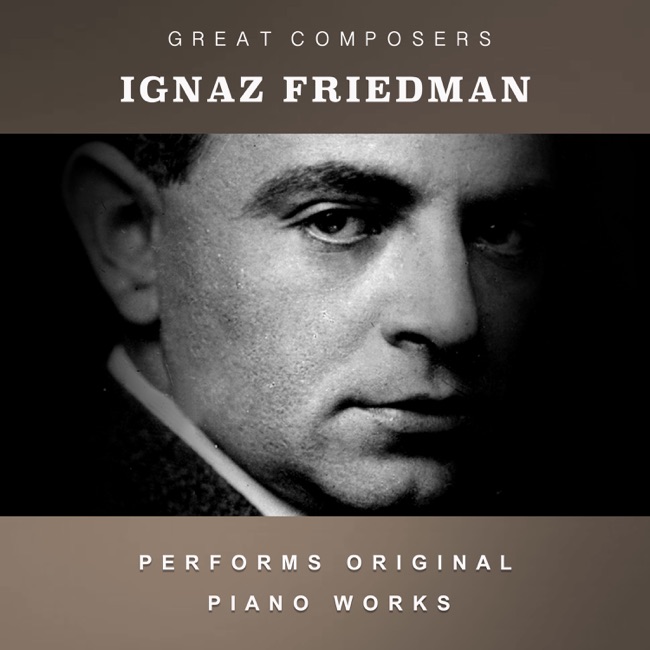 June 23, 2020
Chamber
-
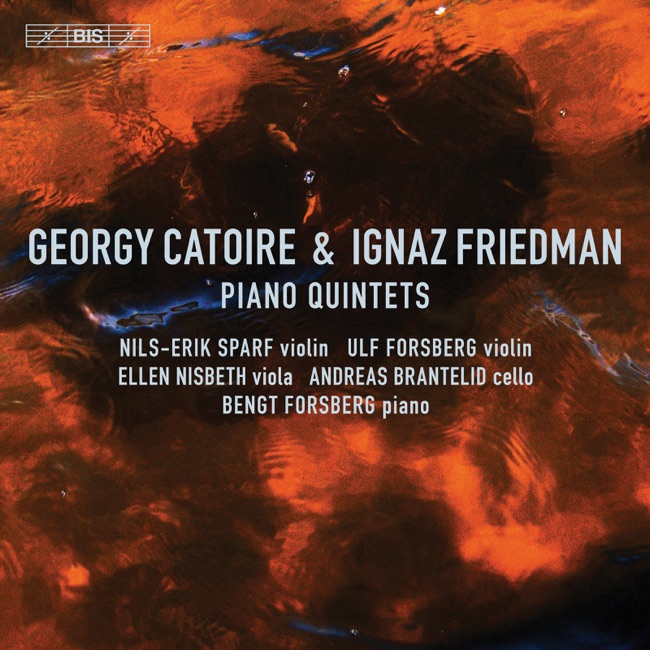 April 5, 2019
 -
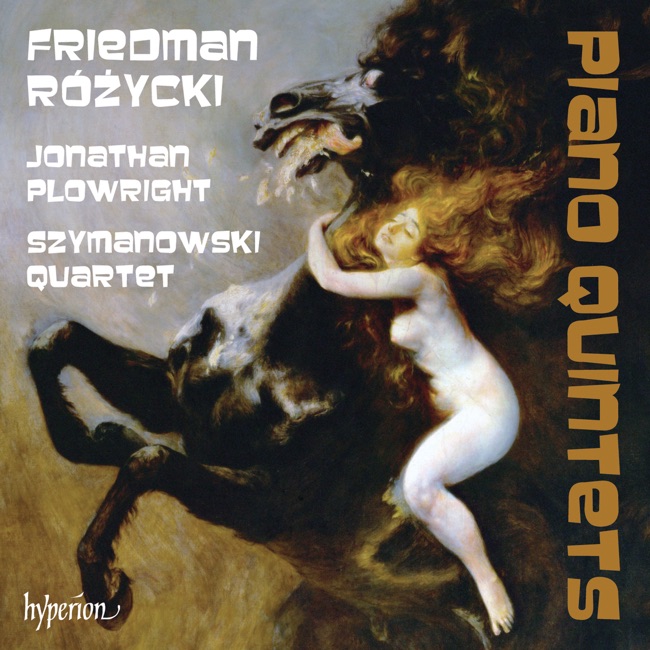 September 2, 2016
Artist Info
Role:ComposerBirth:February 14, 1882 in Podgórze, PolandDeath:January 26, 1948 in Sydney, AustraliaPeriod:ContemporaryModernGenre:KeyboardOrchestralIgnaz Friedman was a Polish composer and pianist who was born on February 13, 1882, in Podgórze, a suburb of Krakow, Poland. He was the youngest of ten children in a Jewish family. His father, Jacob Friedman, was a merchant, and his mother, Regina, was a homemaker. Ignaz showed an early interest in music and began playing the piano at the age of four. Friedman's musical talent was recognized early on, and he began studying piano with Hugo Riemann at the Krakow Conservatory when he was just six years old. He made his public debut at the age of nine, playing a Mozart concerto with the Krakow Philharmonic Orchestra. In 1897, at the age of fifteen, he moved to Dresden, Germany, to study with Karl Heymann, a renowned piano teacher. Friedman's career as a pianist took off in the early 1900s, and he quickly gained a reputation as one of the most talented pianists of his generation. He made his debut in Berlin in 1904 and went on to perform throughout Europe and the United States. He was known for his virtuosic technique and his ability to bring out the emotional depth of the music he played. In addition to his career as a performer, Friedman was also a prolific composer. He wrote over 100 works for piano, including sonatas, concertos, and solo pieces. His music was heavily influenced by the Romantic tradition, and he was known for his use of rich harmonies and expressive melodies. One of Friedman's most famous works is his Piano Concerto No. 1 in F-sharp minor, which he composed in 1913. The concerto is a virtuosic tour de force, with complex rhythms and intricate passagework for the soloist. It was premiered in Berlin in 1914, with Friedman as the soloist, and was an immediate success. Another notable work by Friedman is his Sonata in E minor, which he composed in 1922. The sonata is a deeply emotional work, with a hauntingly beautiful melody in the second movement. It is considered one of Friedman's most personal and introspective compositions. Friedman's music was highly regarded by his contemporaries, including fellow composers such as Sergei Rachmaninoff and Ferruccio Busoni. Rachmaninoff called Friedman "the greatest pianist of his time," and Busoni praised his "extraordinary talent and originality." Despite his success as a performer and composer, Friedman's life was not without its challenges. He suffered from depression and anxiety throughout his life, and his marriage to his wife, Frieda, was tumultuous. He also faced financial difficulties, particularly during World War II, when he was forced to flee Poland and lost much of his property. Friedman continued to perform and compose throughout his life, but his career began to decline in the 1930s. He struggled with health problems, including arthritis and heart disease, and his playing became less consistent. He died on January 26, 1948, in Sydney, Australia, where he had been living since 1940. Today, Friedman is remembered as one of the greatest pianists and composers of the early 20th century. His music continues to be performed and recorded, and his legacy as a virtuoso and innovator in the Romantic tradition lives on.More....
Recent Artist Music

5
5:16

9
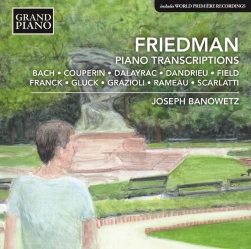
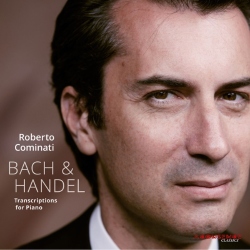
Sicilian (from Bach's Sonata for flute, BWV 1031)
Siciliano (from "Flute Sonata in E Flat Major, BWV 1031")
2:12
Related Artists
Copyright Ⓒ 2013 Davinci Finger. All rights reseved
Service Terms & Policy