


Felix Lavilla
Released Album
Vocal
-
 July 29, 2014
 -
 January 1, 2005
 -
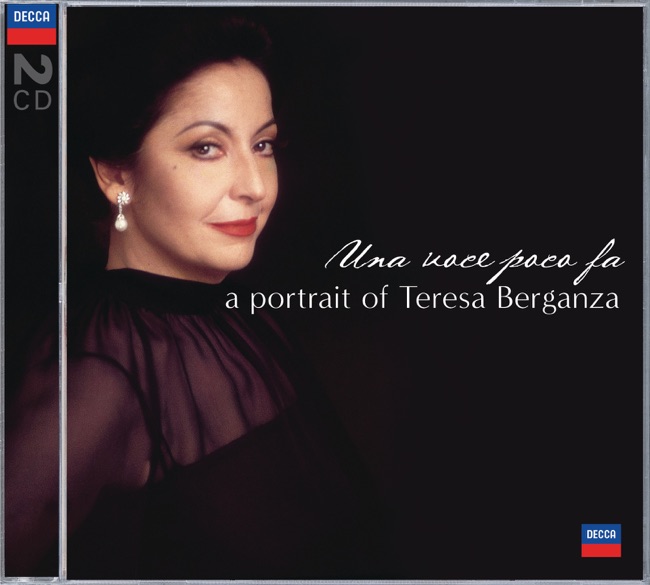 January 1, 2004
Opera
-
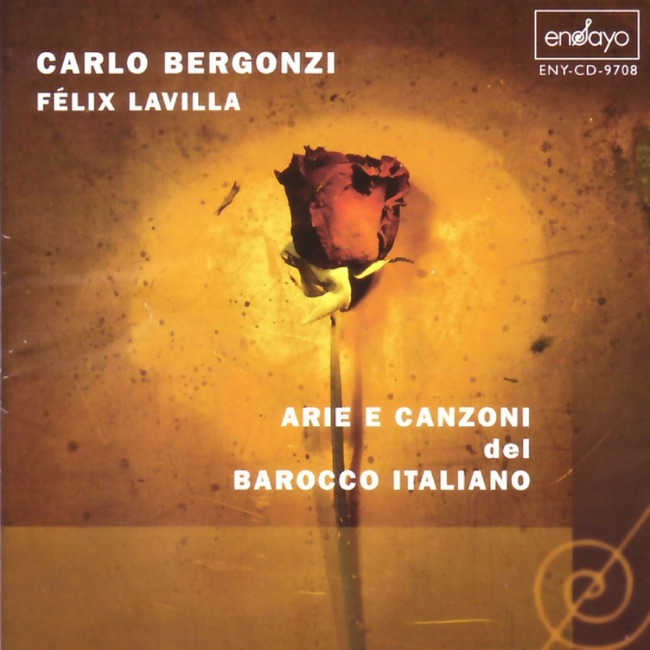 March 28, 2000
Artist Info
Role:ComposerPeriod:BaroqueGenre:VocalFelix Lavilla was a Spanish composer and pianist who was born on January 30, 1926, in Bilbao, Spain. He was the son of a music teacher and grew up in a musical family. Lavilla began playing the piano at a young age and showed a natural talent for music. He studied at the Bilbao Conservatory and later at the Madrid Royal Conservatory, where he studied composition with Conrado del Campo. Lavilla's early compositions were influenced by the Spanish nationalist style of music, which was popular in the early 20th century. He was also influenced by the works of composers such as Manuel de Falla and Joaquín Rodrigo. Lavilla's first major work was his Piano Concerto No. 1, which he composed in 1952. The concerto was well-received and helped establish Lavilla as a promising young composer. In the 1950s, Lavilla began to experiment with new musical styles and techniques. He was particularly interested in the use of electronic music and began to incorporate electronic sounds into his compositions. Lavilla's interest in electronic music led him to collaborate with the Spanish electronic music pioneer, Tomás Marco. Together, they founded the Spanish Society for Electroacoustic Music in 1967. Lavilla's most famous work is his opera, "El Juez," which he composed in 1963. The opera is based on a play by the Spanish playwright, Carlos Arniches, and tells the story of a corrupt judge who is eventually brought to justice. "El Juez" was a critical and commercial success and helped establish Lavilla as one of Spain's leading composers. Throughout his career, Lavilla composed music for a variety of mediums, including film, television, and theater. He was particularly well-known for his film scores, which included the music for the films "El Espíritu de la Colmena" and "La Caza." Lavilla's music was often characterized by its use of Spanish folk melodies and rhythms, as well as its incorporation of electronic sounds. Lavilla continued to compose music until his death in 2007. He was a prolific composer who wrote over 200 works in a variety of styles and genres. His music continues to be performed and recorded by musicians around the world. Lavilla's contributions to Spanish music have been recognized with numerous awards and honors, including the National Music Prize in 1999.More....
Recent Artist Music
3

Tonadillas in the old style (10), H. 136
La maja dolorosa (The Sorrowful Maja): 1. !Oh, muerte cruel!
3:4



Copyright Ⓒ 2013 Davinci Finger. All rights reseved
Service Terms & Policy