


Johann Sebastian Bach
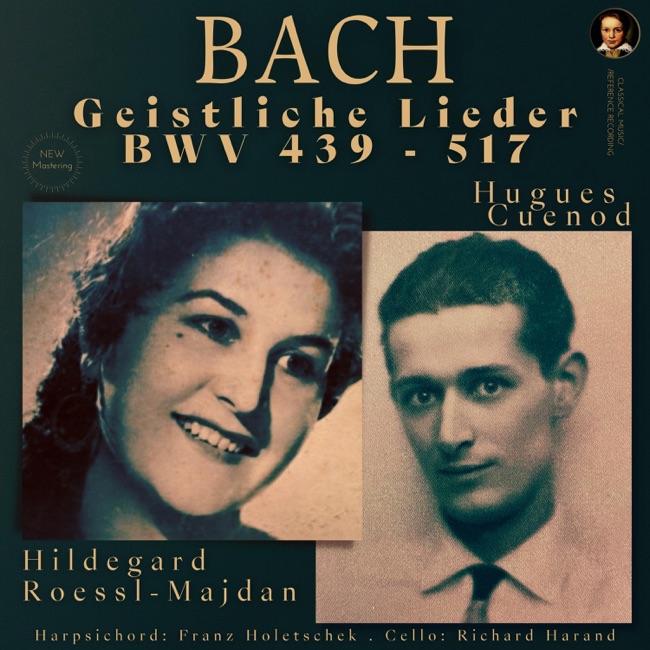
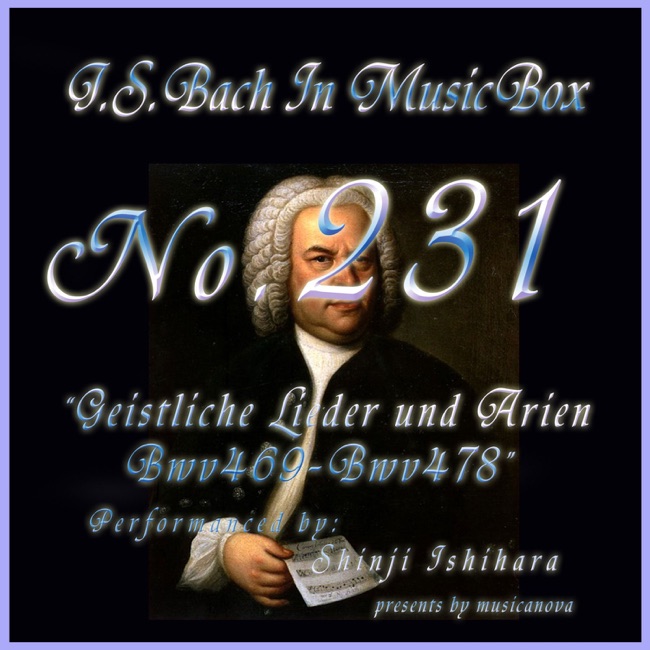
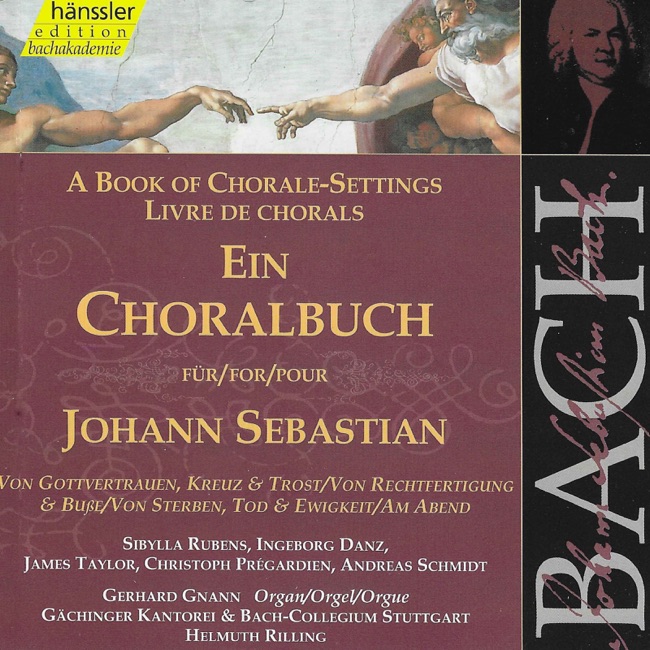
Kein stündlein geht dahin, BWV 477
Released Album
Recent Album
-
-
 Shinji IshiharaApril 22, 2015
 -
Works Info
Composer:Johann Sebastian BachGenre:VocalStyle:Vocal MusicCompose Date:1736Publication Date:1736Average_duration:3:48"Kein stündlein geht dahin" is a chorale composed by Johann Sebastian Bach, which is also known as "No hour passes by." It is a part of the larger collection of chorales known as the "Schübler Chorales," which were composed by Bach in 1746. The chorale was originally written for solo organ, and it is based on a hymn by Johann Rist. The premiere of "Kein stündlein geht dahin" is not known, but it was likely performed in a church setting during Bach's lifetime. The piece consists of four movements, which are all variations on the same melody. The first movement is a simple statement of the melody, played in the right hand of the organ. The second movement is a more complex variation, with the melody played in the left hand and a counterpoint in the right hand. The third movement is a slower, more contemplative variation, with the melody played in the pedals of the organ. The final movement is a lively fugue, with the melody played in the right hand and a complex counterpoint in the left hand. The characteristics of "Kein stündlein geht dahin" reflect Bach's mastery of counterpoint and his ability to create complex and beautiful music from a simple melody. The piece is notable for its use of chromaticism and its intricate harmonies, which create a sense of tension and release throughout the movements. The final fugue is particularly impressive, with its complex interweaving of the melody and counterpoint. Overall, "Kein stündlein geht dahin" is a beautiful and complex piece of music that showcases Bach's skill as a composer. Its variations on a simple melody demonstrate his ability to create intricate and beautiful music from even the most basic of materials.More....
Works Music
Released Music
2
1:23
3

2:2