


Heitor Villa-Lobos
Bachianas Brasileiras No. 7, for orchestra, A. 432
Released Album
Recent Album
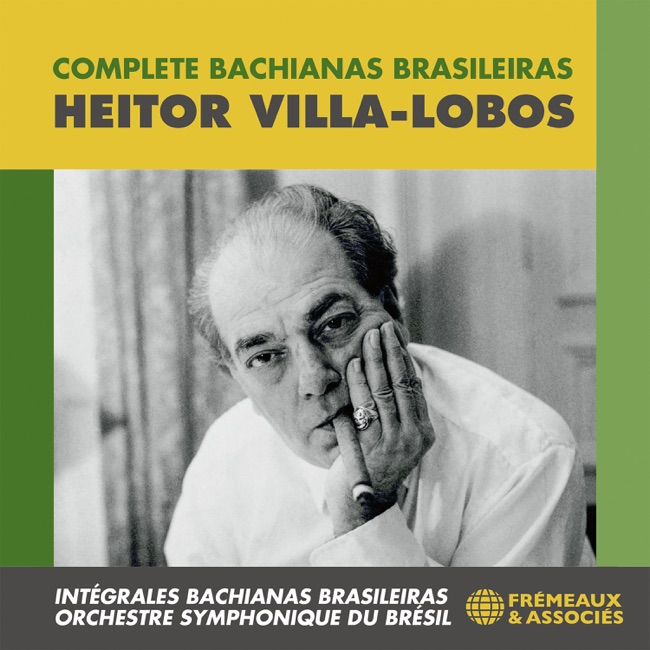
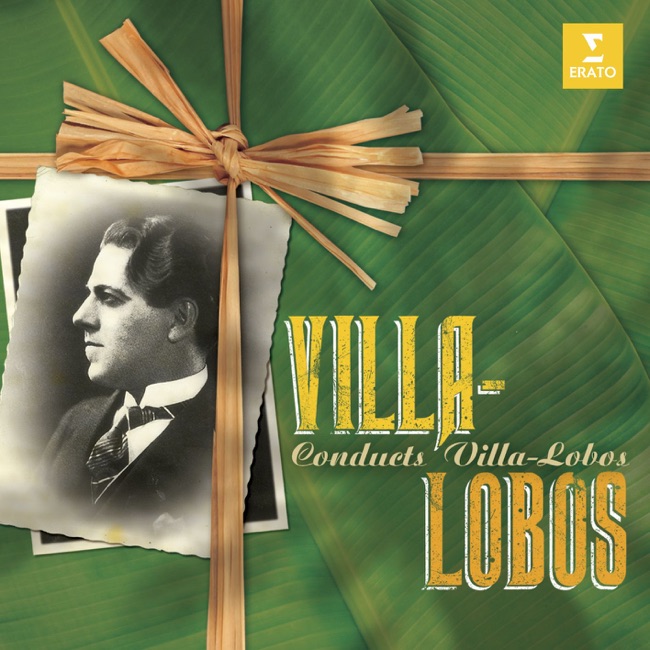
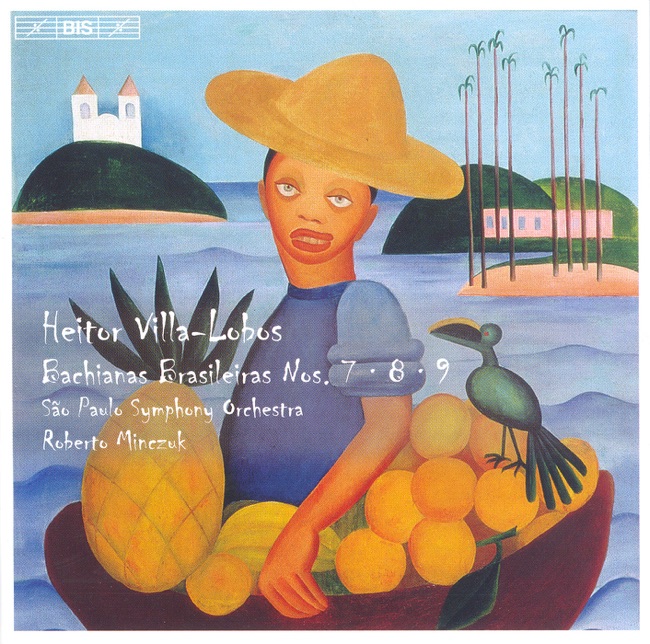
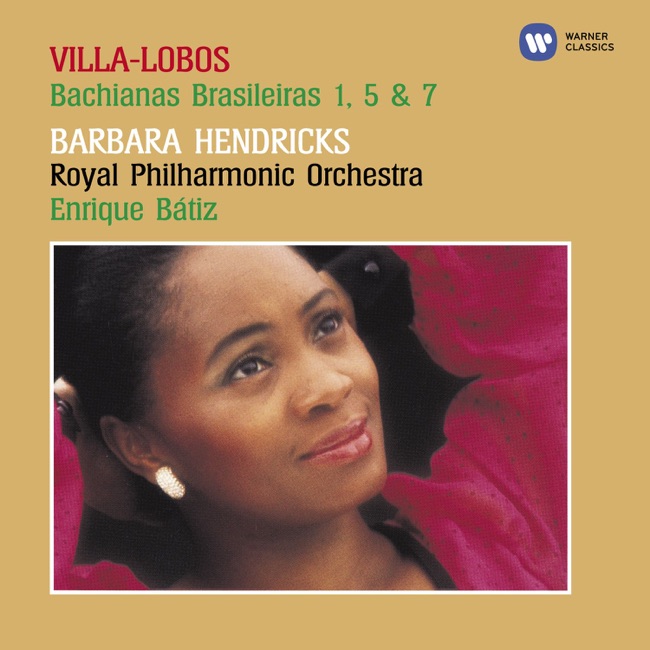
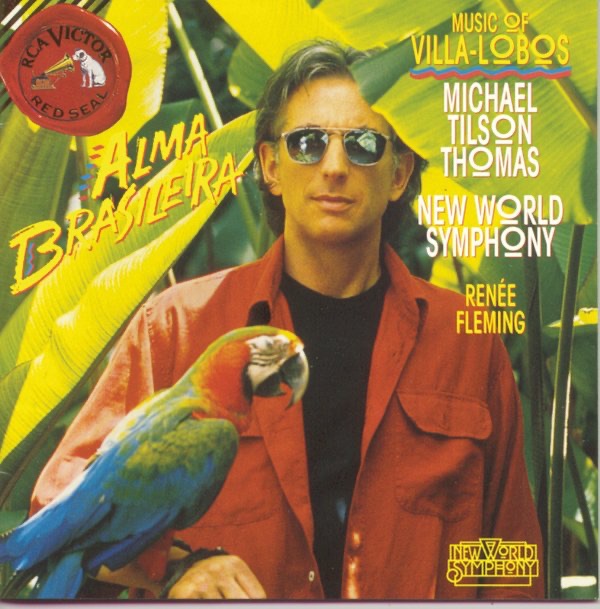
Featured Album
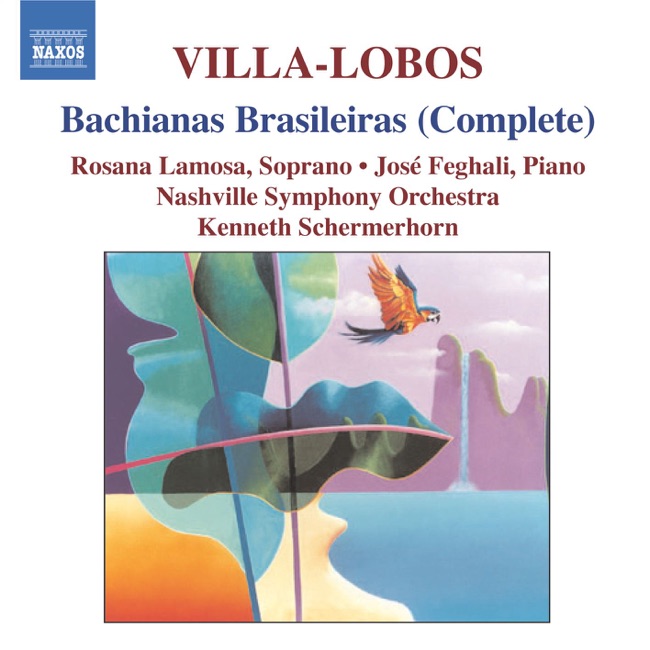
Works Info
Composer:Heitor Villa-LobosGenre:OrchestralStyle:OrchestralCompose Date:1942Average_duration:27:39Movement_count:4Movement ....Heitor Villa-Lobos composed Bachianas Brasileiras No. 7, for orchestra, A. 432 in 1942. The piece premiered in Rio de Janeiro in 1944, conducted by the composer himself. The work is divided into four movements, each of which is characterized by a unique blend of Brazilian and European musical styles. The first movement, "Preludio," is a slow and mournful piece that features a solo cello accompanied by the orchestra. The cello's melody is reminiscent of the preludes of J.S. Bach, but the harmonies and rhythms are distinctly Brazilian. The movement is marked by its use of dissonant chords and chromaticism, which create a sense of tension and unease. The second movement, "Giga," is a lively and energetic dance that features the full orchestra. The movement is characterized by its use of syncopated rhythms and driving percussion, which give it a distinctly Brazilian flavor. The movement also features a prominent solo violin, which plays a virtuosic melody that is reminiscent of the baroque gigues of J.S. Bach. The third movement, "Toccata," is a fast and frenetic piece that features the full orchestra. The movement is characterized by its use of complex rhythms and intricate counterpoint, which create a sense of chaos and excitement. The movement also features a prominent solo piano, which plays a virtuosic melody that is reminiscent of the toccatas of J.S. Bach. The fourth and final movement, "Fuga," is a slow and contemplative piece that features the full orchestra. The movement is characterized by its use of contrapuntal textures and rich harmonies, which create a sense of depth and complexity. The movement also features a prominent solo flute, which plays a haunting melody that is reminiscent of the fugues of J.S. Bach. Overall, Bachianas Brasileiras No. 7 is a masterful blend of Brazilian and European musical styles. The work showcases Villa-Lobos' unique ability to fuse disparate musical traditions into a cohesive and compelling whole. The piece is a testament to the composer's skill and creativity, and it remains a beloved work in the classical repertoire.More....
Works Music
Released Music

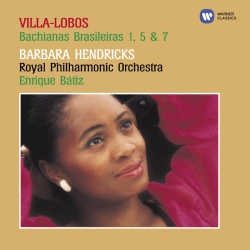
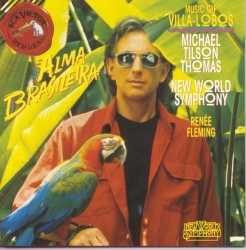
Featured Music
2
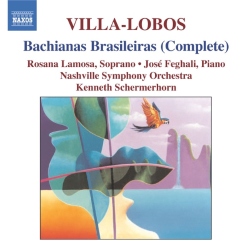
Bachianas Brasileiras No. 7, for orchestra, A. 432
Giga (Quadrilha Caipira) (Country Quadrille)
5:1