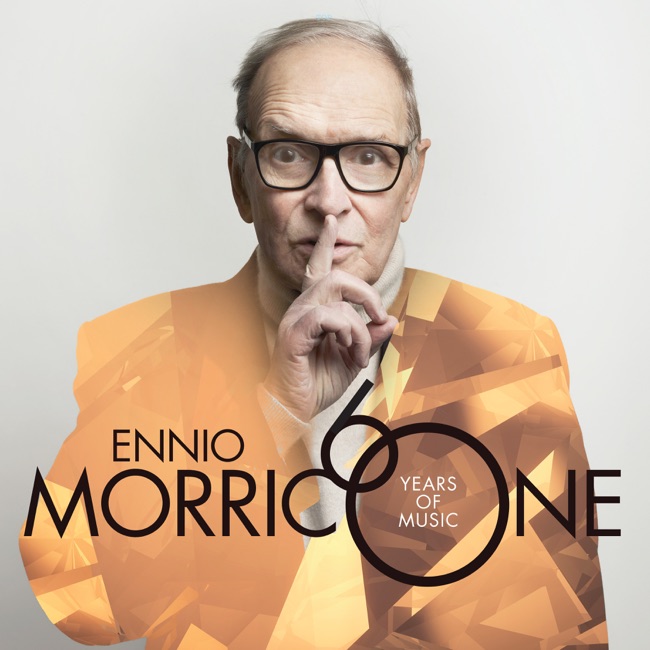
Ennio Morricone
Queimada
Works Info
Composer:Ennio MorriconeGenre:FilmStyle:Film ScoreQueimada is a soundtrack composed by Ennio Morricone for the 1969 Italian film of the same name, directed by Gillo Pontecorvo. The film is set in the fictional island of Queimada, which is a Portuguese colony in the Caribbean. The story revolves around the British government's attempt to overthrow the Portuguese rule in the island by inciting a rebellion among the slaves. The soundtrack of Queimada is a masterpiece of Morricone's work, which showcases his versatility as a composer. The music is a blend of different styles, including classical, folk, and traditional African music. The soundtrack features a mix of orchestral and electronic instruments, which creates a unique and haunting sound. The soundtrack of Queimada was composed in 1969, and it premiered along with the film in the same year. The soundtrack consists of ten movements, each of which is a musical representation of a particular scene or emotion in the film. The first movement, titled "Abolicao," is a slow and melancholic piece that sets the tone for the film. It features a solo guitar and a string orchestra, which creates a haunting and emotional sound. The second movement, "Queimada," is a fast-paced and energetic piece that represents the rebellion of the slaves. It features a mix of African drums, brass instruments, and electric guitars, which creates a powerful and rhythmic sound. The third movement, "African Symphony," is a beautiful and melodic piece that features a solo flute and a string orchestra. It represents the beauty and culture of the African people. The fourth movement, "Folk Song," is a simple and charming piece that features a solo guitar and a string orchestra. It represents the simplicity and innocence of the slaves. The fifth movement, "Abolicao (Reprise)," is a variation of the first movement, which features a solo piano and a string orchestra. It represents the hope and optimism of the slaves. The sixth movement, "Queimada (Reprise)," is a variation of the second movement, which features a mix of African drums, brass instruments, and electric guitars. It represents the continuation of the rebellion. The seventh movement, "African Symphony (Reprise)," is a variation of the third movement, which features a solo flute and a string orchestra. It represents the resilience and strength of the African people. The eighth movement, "Folk Song (Reprise)," is a variation of the fourth movement, which features a solo guitar and a string orchestra. It represents the perseverance and determination of the slaves. The ninth movement, "Abolicao (Finale)," is a grand and majestic piece that features a full orchestra and choir. It represents the triumph of the slaves over their oppressors. The final movement, "Queimada (Finale)," is a variation of the second movement, which features a mix of African drums, brass instruments, and electric guitars. It represents the celebration and joy of the slaves after their victory. In conclusion, the soundtrack of Queimada is a masterpiece of Ennio Morricone's work, which showcases his versatility and creativity as a composer. The soundtrack features a mix of different styles and instruments, which creates a unique and haunting sound. The soundtrack consists of ten movements, each of which is a musical representation of a particular scene or emotion in the film. The soundtrack of Queimada is a must-listen for any fan of Ennio Morricone's work.More....