Georges Auric
Orphée
Released Album
Recent Album
Works Info
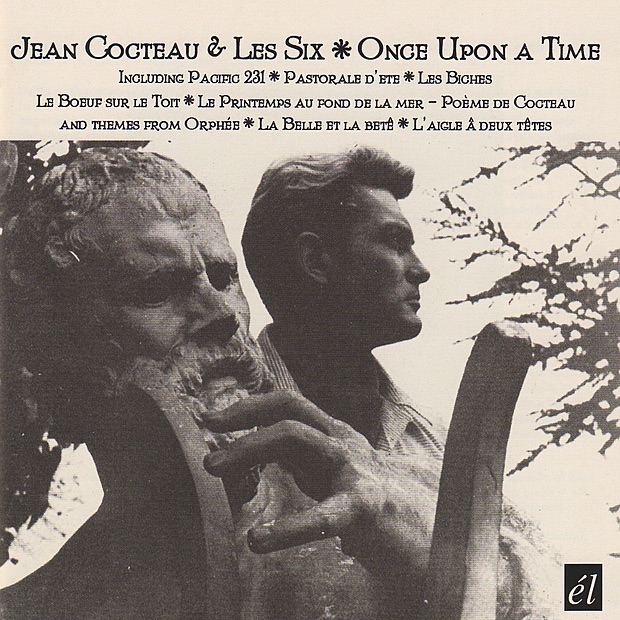
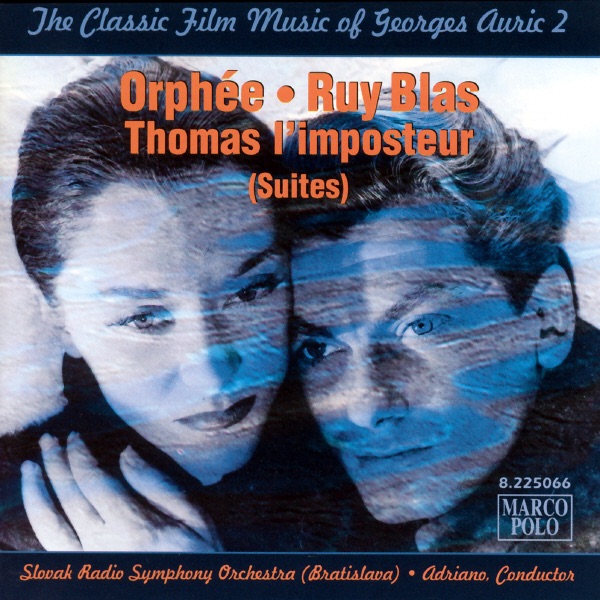
Composer:Georges AuricGenre:FilmStyle:Film ScoreCompose Date:1949Average_duration:22:20Orphée is a soundtrack composed by Georges Auric for the 1950 French film of the same name directed by Jean Cocteau. The film is a retelling of the Greek myth of Orpheus, a musician who descends into the underworld to rescue his wife Eurydice. The soundtrack was composed in 1949 and premiered on October 29, 1950, at the Cannes Film Festival. The soundtrack consists of 12 movements, each corresponding to a scene in the film. The first movement, "Prélude", sets the tone for the film with its haunting melody played by a solo violin. The second movement, "Orphée et la Princesse", introduces the main characters and their love triangle. The third movement, "La Mort", features a menacing and dissonant theme that represents death and the underworld. The fourth movement, "Le Miroir", is a pivotal scene in the film where Orpheus enters a mirror and travels to the underworld. The music is ethereal and dreamlike, with shimmering strings and harp. The fifth movement, "La Machine Infernale", features a frenzied and chaotic theme that represents the chaos of the underworld. The sixth movement, "La Princesse et la Mort", features a beautiful and melancholic theme played by a solo cello. The seventh movement, "Le Testament", is a somber and reflective piece that represents Orpheus' acceptance of his fate. The eighth movement, "La Mort d'Orphée", is a tragic and emotional piece that accompanies the film's climactic scene. The ninth movement, "Le Retour d'Orphée", features a triumphant and heroic theme as Orpheus returns to the world of the living. The tenth movement, "La Fin", is a peaceful and serene piece that represents the resolution of the film's conflicts. The eleventh movement, "Générique", is a reprise of the "Prélude" and serves as the film's end credits. Overall, the soundtrack for Orphée is characterized by its use of haunting melodies, dissonant themes, and dreamlike textures. Auric's music perfectly captures the surreal and otherworldly atmosphere of Cocteau's film, and remains a classic example of film music to this day.More....
Works Music
Released Music