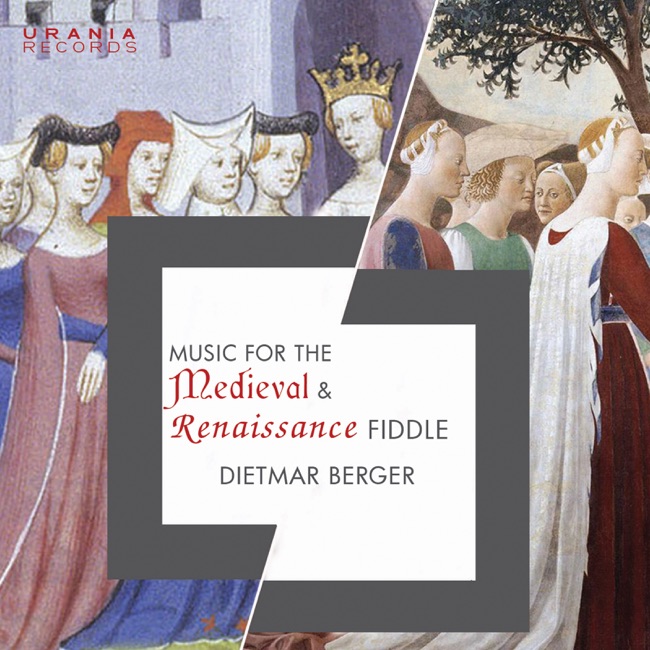
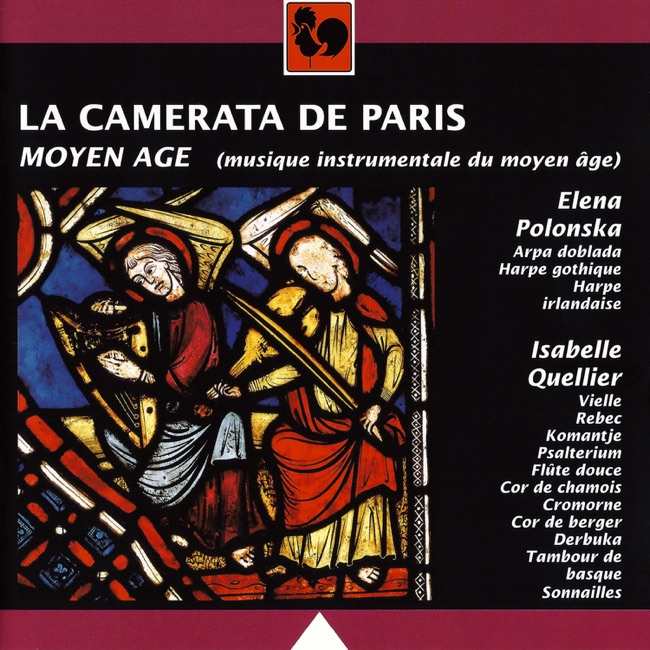
Neidhart von Reuental
Winder Wie ist Nu
Released Album
Recent Album
Works Info
Composer:Neidhart von ReuentalGenre:MiscellaneousStyle:MiscellaneousAverage_duration:1:50"Winzer Wie ist Nu" is a medieval German song composed by Neidhart von Reuental, a poet and musician from the 13th century. The song is believed to have been composed in the early 14th century and is considered one of the most famous works of Neidhart. The song was first performed in the courts of the nobility and was later popularized among the common people. It is a part of the Minnesang tradition, which was a form of courtly love poetry and song that originated in Germany in the 12th century. "Winzer Wie ist Nu" is a three-part song that consists of a refrain and two stanzas. The song is written in Middle High German and is characterized by its simple and direct language. The refrain, which is repeated after each stanza, is a question that asks how the wine is doing. The first stanza of the song describes the beauty of the vineyards and the joy of drinking wine. The second stanza is more melancholic and describes the pain of separation from a loved one. The refrain, which is repeated after each stanza, serves as a reminder of the pleasures of wine and the transience of life. The song is notable for its use of imagery and metaphor. The vineyards are described as a "paradise" and the wine as a "healing balm." The pain of separation is compared to a "thorn in the heart." "Winzer Wie ist Nu" was popularized through the work of the German composer Carl Orff, who included the song in his collection of medieval music, "Carmina Burana." The song has since been performed by numerous artists and has become a staple of medieval music repertoire. In conclusion, "Winzer Wie ist Nu" is a medieval German song composed by Neidhart von Reuental in the early 14th century. It is a part of the Minnesang tradition and is characterized by its simple language, use of imagery and metaphor, and its refrain that serves as a reminder of the pleasures of wine and the transience of life. The song has become a staple of medieval music repertoire and continues to be performed by artists today.More....