Samuel Barber
The Virgin Martyrs, Op. 8/1
Released Album
Recent Album
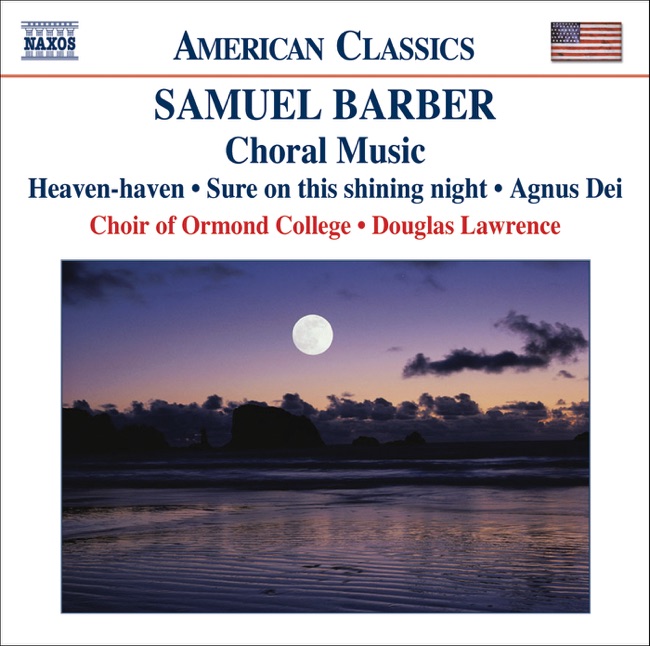
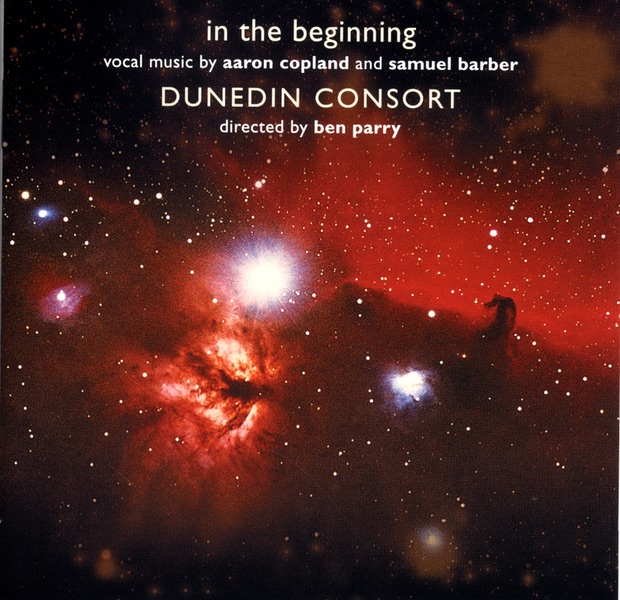
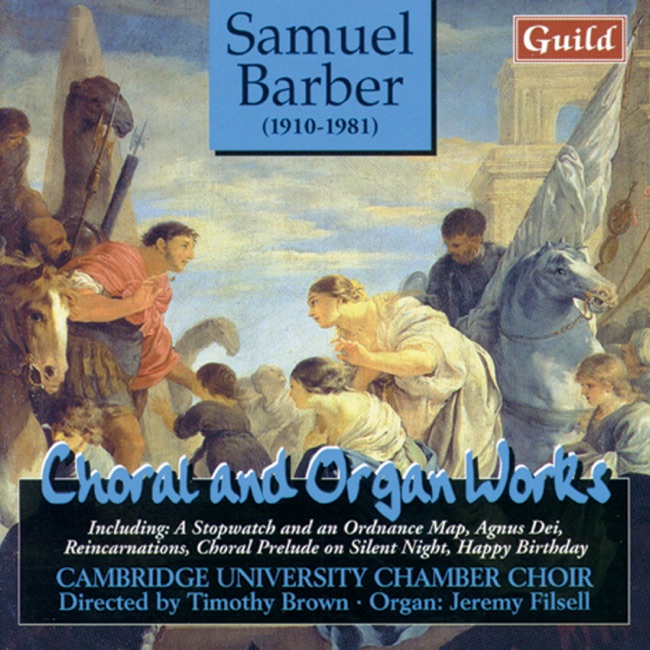
Featured Album
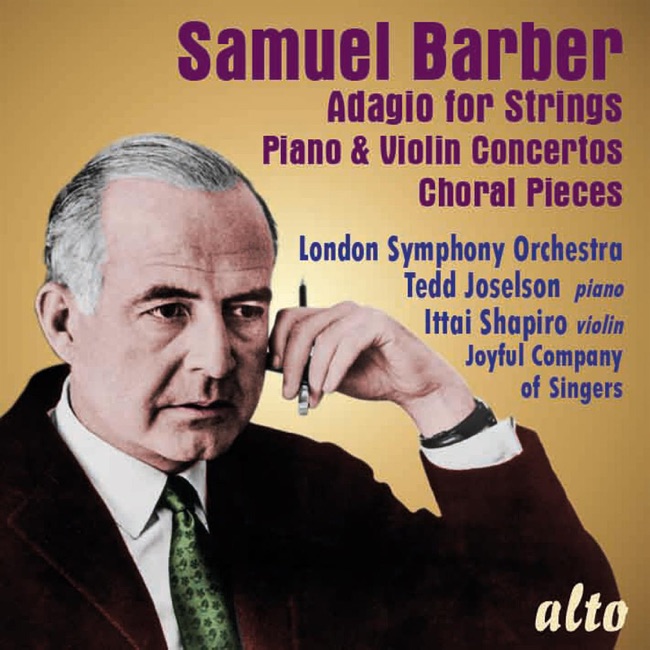
Works Info
Composer:Samuel BarberGenre:ChoralStyle:ChorusCompose Date:1935Average_duration:3:22The Virgin Martyrs, Op. 8/1 is a choral work composed by Samuel Barber in 1935. It was premiered on May 12, 1935, by the Curtis Institute of Music Chorus and Orchestra, conducted by Fritz Reiner. The piece is divided into three movements, each depicting the story of a different female saint who was martyred for her faith. The first movement, "St. Ursula," is a lively and energetic depiction of the story of Ursula, a Christian princess who was martyred along with 11,000 virgins by the Huns in the 4th century. The music is characterized by its use of syncopated rhythms and driving percussion, which convey the sense of urgency and excitement in the story. The second movement, "St. Cecilia," is a more contemplative and introspective piece, reflecting the story of Cecilia, a Christian martyr who was known for her musical talents. The music is characterized by its use of lush harmonies and soaring melodies, which evoke the beauty and spirituality of Cecilia's life and death. The final movement, "St. Catherine," is a dramatic and intense depiction of the story of Catherine, a Christian martyr who was tortured and beheaded for her faith. The music is characterized by its use of dissonant harmonies and angular melodies, which convey the sense of struggle and conflict in the story. Overall, The Virgin Martyrs, Op. 8/1 is a powerful and evocative work that showcases Barber's skill as a composer. Its use of contrasting musical styles and moods, as well as its vivid depictions of the stories of these female saints, make it a compelling and memorable piece of choral music.More....
Works Music
Released Music
Featured Music