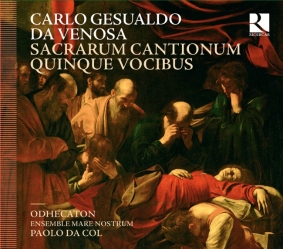
Carlo Gesualdo
Domine, ne despicias, W. 8/28
Released Album
Recent Album
-
 Julie WintrebertNovember 22, 2019
 -

-
-
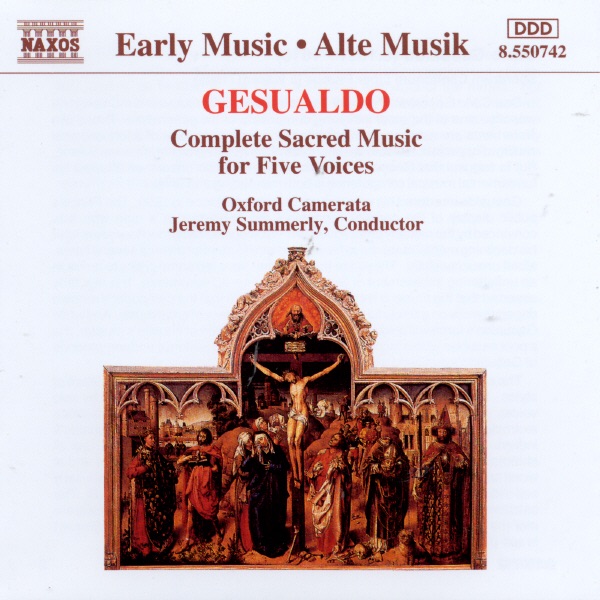
Featured Album
Works Info
Composer:Carlo GesualdoGenre:ChoralStyle:MotetCompose Date:1603Average_duration:2:05Carlo Gesualdo, Prince of Venosa, was an Italian composer of the late Renaissance period. He is known for his highly expressive and chromatic music, which was ahead of its time and anticipated many features of Baroque music. One of his most famous works is the motet "Domine, ne despicias" (Lord, do not despise), W. 8/28, which was composed around 1600. The motet is written for five voices (SSATB) and is based on a text from Psalm 118. It is divided into three movements, each with a different character and mood. The first movement is a prayer for mercy and forgiveness, with a slow and solemn tempo. The second movement is more lively and joyful, expressing gratitude for God's mercy and salvation. The third movement returns to the mood of the first, with a slower tempo and a sense of supplication and humility. The music of "Domine, ne despicias" is characterized by Gesualdo's distinctive harmonic language, which features frequent chromaticism, dissonance, and unexpected harmonic shifts. The vocal lines are highly expressive, with dramatic leaps and melodic contours that reflect the emotional content of the text. The use of word painting is also prominent, with musical gestures that illustrate the meaning of the words. The motet was likely composed for Gesualdo's own private chapel, where he could experiment with his unconventional musical style without the constraints of public performance. It was not published during his lifetime, but was included in a collection of his works that was published posthumously in 1611. "Domine, ne despicias" is a powerful example of Gesualdo's innovative approach to music, which pushed the boundaries of the Renaissance style and paved the way for the Baroque era. Its expressive intensity and harmonic complexity continue to captivate listeners today, making it one of the most enduring works of the late Renaissance period.More....
Works Music
Released Music
1
1:11
3
2:35
Featured Music