


Giovanni Battista Fontana
Sonata No. 1
Released Album
Recent Album


Featured Album
Works Info
Composer:Giovanni Battista FontanaStyle:SonataAverage_duration:3:34Giovanni Battista Fontana was an Italian composer and violinist who lived during the Baroque period. He is known for his contributions to the development of instrumental music, particularly the sonata. One of his most famous works is Sonata No. 1, which was composed in the early 17th century. Sonata No. 1 is a four-movement work that was composed for violin and basso continuo. It is believed to have been written around 1641, although the exact date is not known. The piece was likely premiered in Italy, where Fontana spent most of his career. The first movement of Sonata No. 1 is marked "Adagio" and is in a slow, stately tempo. It begins with a simple, mournful melody played by the violin, which is then echoed by the basso continuo. The movement is characterized by its use of suspensions and dissonances, which create a sense of tension and release. The second movement is marked "Allegro" and is in a fast, lively tempo. It features a more complex melody than the first movement, with the violin and basso continuo trading off rapid-fire runs and trills. The movement is notable for its use of imitation, with the violin and basso continuo echoing each other's phrases. The third movement is marked "Adagio" and is in a slow, mournful tempo. It features a simple, lyrical melody played by the violin, which is accompanied by the basso continuo. The movement is characterized by its use of ornamentation, with the violin adding trills and other embellishments to the melody. The final movement is marked "Allegro" and is in a fast, lively tempo. It features a lively, dance-like melody played by the violin, which is accompanied by the basso continuo. The movement is characterized by its use of syncopation, with the violin and basso continuo playing off each other's rhythms. Overall, Sonata No. 1 is a beautiful and complex work that showcases Fontana's skill as a composer and violinist. Its use of suspensions, dissonances, imitation, ornamentation, and syncopation make it a quintessential example of Baroque instrumental music.More....
Works Music
Released Music

Featured Music
1
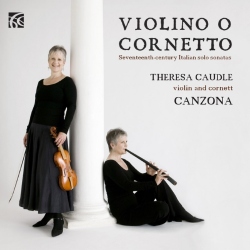
Sonata No. 1
Sonata Prima (Sonate a 1, 2, 3 per il Violino, o Cornetto, Fagotto, Chitarone o simile altro Istromento 1641)
3:58