William Walond
Voluntary for organ, No. 5 in G
Released Album
Recent Album

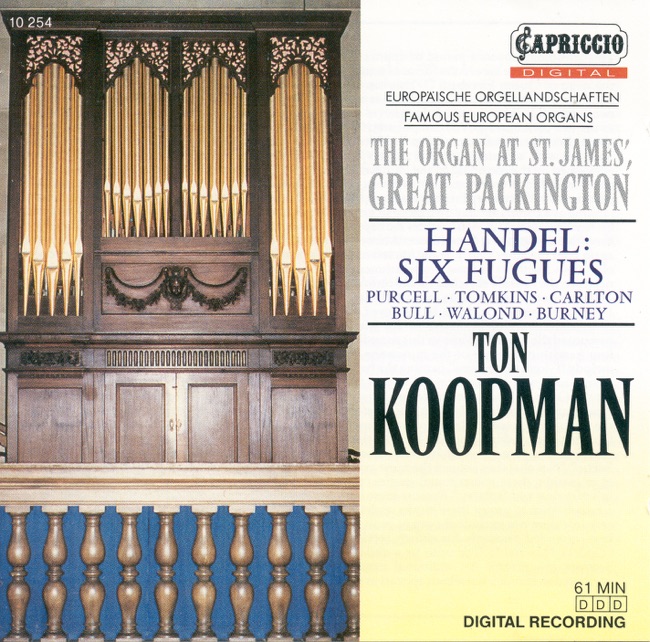
Works Info
Composer:William WalondGenre:KeyboardStyle:VoluntaryAverage_duration:5:20William Walond's 'Voluntary for organ, No. 5 in G' is a piece of music that was composed for the organ. It was written during the Baroque period, which was a time of great musical innovation and experimentation. The piece was first premiered in the 18th century, and it has since become a popular piece of music for organists to play. The 'Voluntary for organ, No. 5 in G' is made up of several movements, each of which has its own unique characteristics. The first movement is marked by its lively tempo and its use of intricate ornamentation. The second movement is slower and more contemplative, with a focus on the organ's ability to create a rich, resonant sound. The third movement is marked by its use of counterpoint, with different melodies weaving in and out of each other to create a complex and harmonious whole. One of the most notable characteristics of the 'Voluntary for organ, No. 5 in G' is its use of the organ's full range of sounds and capabilities. The piece makes use of the organ's ability to create a wide range of tones, from soft and delicate to loud and powerful. It also showcases the organ's ability to create complex harmonies and counterpoint, with different melodies and rhythms working together to create a rich and textured sound. Overall, the 'Voluntary for organ, No. 5 in G' is a beautiful and complex piece of music that showcases the organ's unique capabilities. Its intricate ornamentation, complex harmonies, and use of counterpoint make it a challenging piece for organists to play, but its beauty and complexity make it a beloved piece of music for both performers and audiences alike.More....