


Louis-Claude Daquin
Chrétiens qui suivez l'Église (Nouveau Livre de Noëls No. 7)
Released Album
Recent Album
-
 Various ArtistsJanuary 1, 1998
 -
-
Works Info
Composer:Louis-Claude DaquinGenre:KeyboardStyle:KeyboardCompose Date:ca. 1757Publication Date:1757Average_duration:4:17'Chrétiens qui suivez l'Église' is a Christmas carol composed by Louis-Claude Daquin, a French composer and organist, in the 18th century. The carol is part of his 'Nouveau Livre de Noëls No. 7', which was published in 1757. The premiere of 'Chrétiens qui suivez l'Église' is not known, but it was likely performed during Christmas celebrations in France in the late 18th century. The carol is written in three movements, with the first and third movements in common time and the second movement in 3/4 time. The first movement begins with a lively and joyful melody played by the organ, which is then joined by the choir singing the first verse of the carol. The melody is characterized by its use of dotted rhythms and syncopation, which give it a lively and dance-like quality. The lyrics of the first verse encourage Christians to follow the teachings of the Church and to celebrate the birth of Jesus with joy and gratitude. The second movement is a slower and more contemplative section, with the choir singing the second verse of the carol. The melody is more subdued and introspective, with a gentle accompaniment from the organ. The lyrics of the second verse reflect on the humility and poverty of Jesus' birth, and encourage Christians to follow his example of selflessness and compassion. The third movement returns to the lively and joyful melody of the first movement, with the choir singing the final verse of the carol. The melody is embellished with trills and ornaments, giving it a festive and celebratory character. The lyrics of the final verse express gratitude for the gift of Jesus' birth and the hope that it brings to the world. Overall, 'Chrétiens qui suivez l'Église' is a lively and joyful Christmas carol that encourages Christians to follow the teachings of the Church and to celebrate the birth of Jesus with gratitude and joy. Its use of dotted rhythms, syncopation, and ornamentation give it a lively and festive character, while its contemplative middle section provides a moment of introspection and reflection.More....
Works Music
Released Music
1
4:58
2
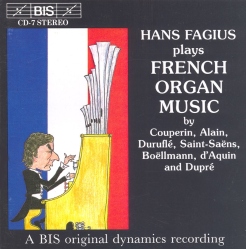
4:39
3
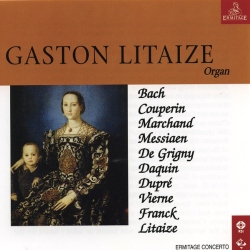
3:57