


Zoltán Kodály
Prelude and Fugue in E flat major (after Bach, BWV 853)
Released Album
Recent Album
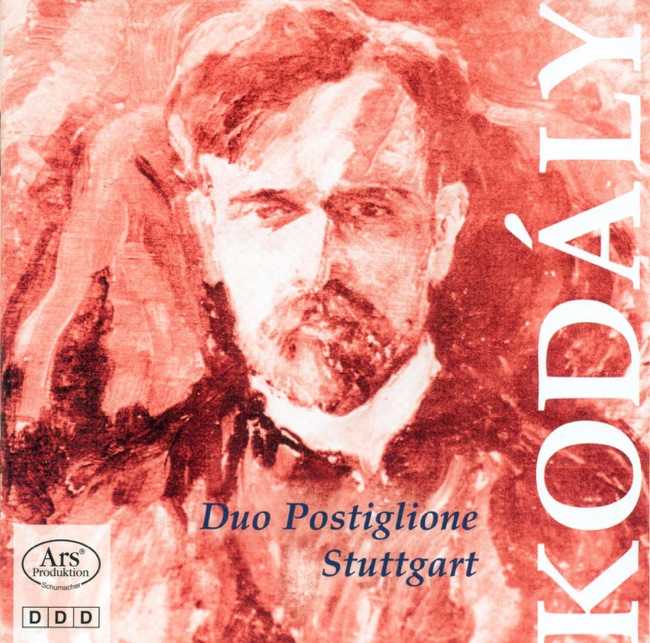
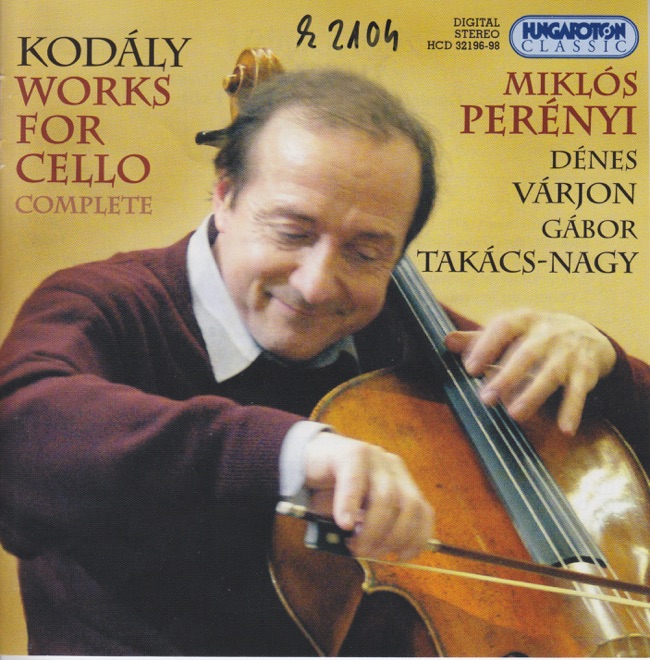
Works Info
Composer:Zoltán KodályGenre:ChamberStyle:Chamber MusicCompose Date:1951Average_duration:8:47Movement_count:2Movement ....Zoltán Kodály's Prelude and Fugue in E flat major (after Bach, BWV 853) is a work for solo piano that was composed in 1921. The piece is based on Johann Sebastian Bach's Prelude and Fugue in E flat major from Book 1 of The Well-Tempered Clavier. Kodály's version is a transcription of Bach's original work, but with some notable differences. The piece is divided into two movements: the Prelude and the Fugue. The Prelude is a flowing, lyrical piece that showcases Kodály's skill as a pianist. It begins with a simple melody that gradually builds in intensity and complexity, incorporating a variety of textures and harmonies. The Fugue, on the other hand, is a more complex and intricate piece that demonstrates Kodály's mastery of counterpoint. One of the most notable characteristics of Kodály's Prelude and Fugue is his use of Hungarian folk music elements. Throughout the piece, he incorporates elements of Hungarian folk music, such as rhythmic patterns and melodic motifs. This gives the piece a unique flavor and sets it apart from Bach's original work. Another characteristic of the piece is its use of chromaticism. Kodály employs chromaticism throughout the Prelude and Fugue, creating a sense of tension and release that adds to the emotional impact of the piece. Kodály's Prelude and Fugue in E flat major (after Bach, BWV 853) premiered in Budapest in 1921, and has since become a staple of the piano repertoire. It is a challenging and rewarding piece for pianists, and its unique blend of Bach's original work and Kodály's own style make it a fascinating and engaging piece for audiences as well.More....
Works Music
Released Music
1
4:11
2
8:25
3
Prelude and Fugue in E flat major (after Bach, BWV 853)
Preludium (Wohltemperiertes Klavier I/8)
3:34