Alan Silvestri
Forrest Gump
Released Album
Recent Album



Featured Album

Works Info
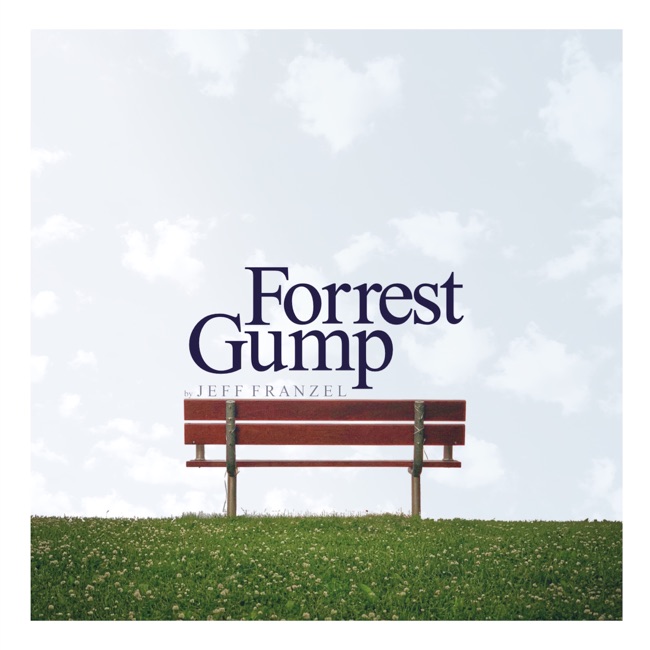
Composer:Alan SilvestriGenre:FilmStyle:Film ScoreCompose Date:1994Average_duration:32:21Forrest Gump is a 1994 American comedy-drama film directed by Robert Zemeckis and based on the 1986 novel of the same name by Winston Groom. The film premiered on July 6, 1994, and quickly became a critical and commercial success, grossing over $677 million worldwide. The film follows the life of Forrest Gump, a simple man with a low IQ who unwittingly becomes involved in some of the most significant events in American history. The soundtrack for Forrest Gump was composed by Alan Silvestri, an American composer known for his work on films such as Back to the Future, The Avengers, and The Polar Express. The soundtrack was released on July 6, 1994, the same day as the film's premiere. The soundtrack for Forrest Gump is divided into two volumes, with a total of 32 tracks. The first volume features music from the 1950s and 1960s, including songs by Elvis Presley, The Byrds, and The Doors. The second volume features music from the 1970s, including songs by Lynyrd Skynyrd, Fleetwood Mac, and Bob Seger. One of the most notable characteristics of the Forrest Gump soundtrack is its use of popular music to evoke a sense of nostalgia and to underscore the film's themes of love, loss, and the passage of time. The soundtrack also features several original compositions by Silvestri, including the film's main theme, which is a simple, piano-driven melody that is used throughout the film to underscore moments of emotional significance. The soundtrack's most famous track is arguably "Sweet Home Alabama" by Lynyrd Skynyrd, which is used in the film's iconic running sequence. The song's upbeat tempo and catchy guitar riff perfectly capture the sense of freedom and joy that Forrest experiences as he runs across the country. Overall, the Forrest Gump soundtrack is a masterful blend of popular music and original compositions that perfectly captures the film's themes and tone. Its use of music to evoke a sense of nostalgia and to underscore emotional moments is a testament to the power of music in film.More....
Works Music
Released Music



Featured Music