Conlon Nancarrow
Study for Player Piano No. 4
Released Album
Recent Album
Works Info
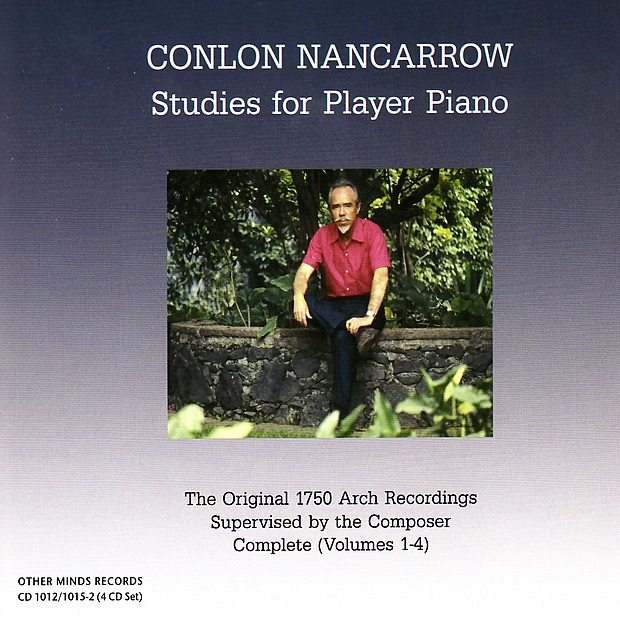
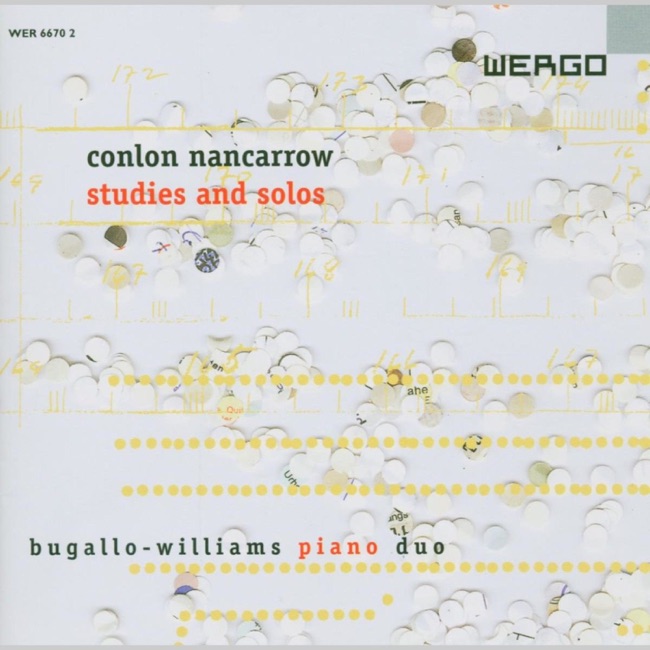
Composer:Conlon NancarrowGenre:KeyboardStyle:KeyboardAverage_duration:3:36Conlon Nancarrow's 'Study for Player Piano No. 4' is a groundbreaking work of music that was composed in 1951. The piece premiered in New York City in 1952 and was performed by the composer himself. The work is part of a series of studies that Nancarrow composed for the player piano, which is a type of piano that can play pre-programmed music without the need for a human performer. The 'Study for Player Piano No. 4' is divided into three movements, each of which explores different aspects of rhythm and tempo. The first movement is characterized by a fast and frenetic pace, with the player piano producing a flurry of notes that create a sense of chaos and dissonance. The second movement is slower and more contemplative, with the piano producing a series of repeating patterns that gradually build in intensity. The final movement is the most complex and challenging, with the piano producing a series of intricate rhythms and syncopated patterns that require incredible precision and skill to perform. One of the most notable characteristics of the 'Study for Player Piano No. 4' is its use of complex polyrhythms and irregular time signatures. Nancarrow was known for his innovative approach to rhythm, and this piece is a prime example of his unique style. The piece also features a wide range of dynamics, with the piano moving from soft and delicate passages to loud and aggressive sections. Overall, the 'Study for Player Piano No. 4' is a groundbreaking work of music that pushed the boundaries of what was possible with the player piano. Nancarrow's innovative approach to rhythm and tempo has influenced countless composers and musicians, and his legacy continues to inspire new generations of artists to this day.More....
Works Music