


Johann Nepomuk Hummel
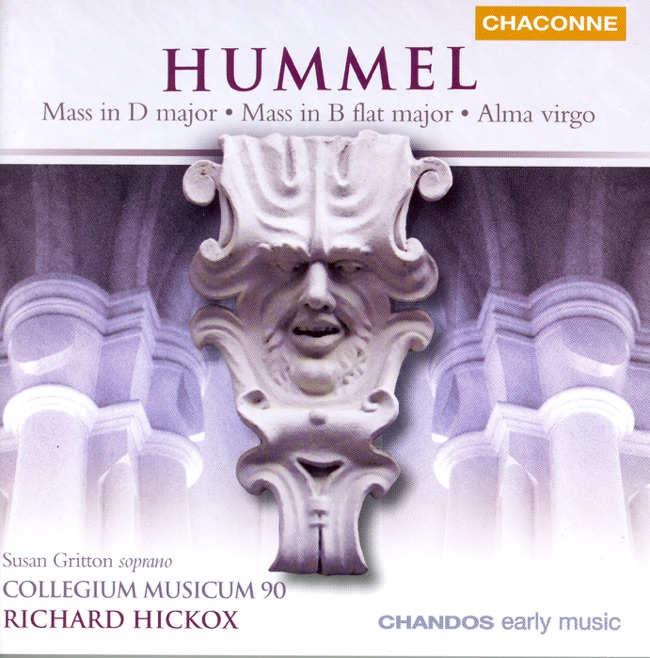
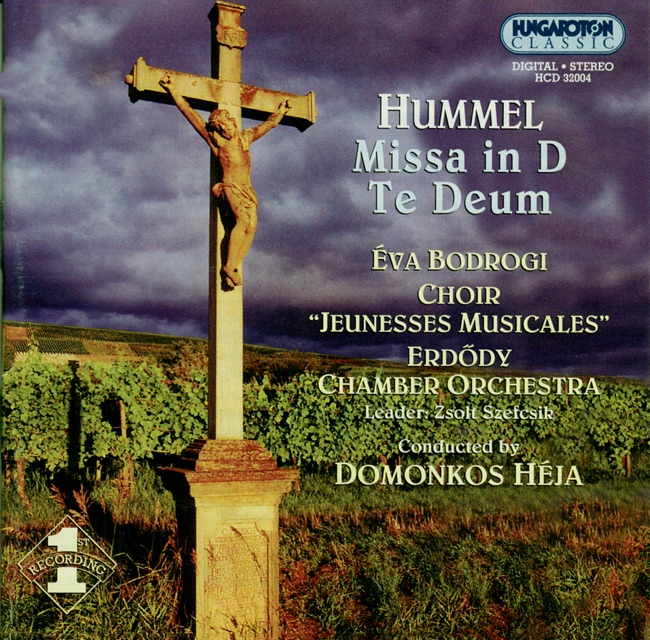
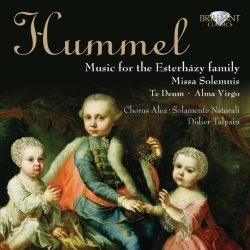
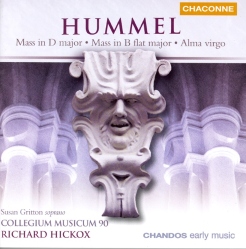
Alma virgo, offertory for soprano, Op. 89a
Released Album
Recent Album
Works Info
Composer:Johann Nepomuk HummelGenre:ChoralStyle:OffertoryCompose Date:1805Publication Date:ca. 1827Average_duration:6:55Johann Nepomuk Hummel composed "Alma virgo, offertory for soprano, Op. 89a" in 1828. The piece was premiered in the same year in the court chapel of Weimar, Germany. The offertory is a sacred vocal composition that is typically performed during the offertory procession in a Catholic Mass. The piece is divided into three movements. The first movement is a slow and solemn introduction that sets the tone for the piece. The second movement is a lively and joyful aria that showcases the soprano's vocal range and agility. The final movement is a prayerful and reflective adagio that brings the piece to a peaceful conclusion. Hummel's "Alma virgo" is characterized by its beautiful melodies, rich harmonies, and expressive vocal writing. The piece is written for a solo soprano accompanied by a small orchestra consisting of strings, woodwinds, and brass. The orchestration is delicate and supportive, allowing the soprano to shine. The text of the offertory is a prayer to the Virgin Mary, asking for her intercession and protection. Hummel's setting of the text is sensitive and reverent, capturing the spiritual essence of the prayer. Overall, "Alma virgo, offertory for soprano, Op. 89a" is a beautiful and moving sacred vocal composition that showcases Hummel's skill as a composer. Its expressive melodies and harmonies, combined with its prayerful text, make it a powerful addition to any Catholic Mass or sacred music concert.More....
Works Music
Released Music
2
6:53
3
6:49
5
6:28
6
7:34