Christoph Demantius
Intrada prima
Released Album
Recent Album
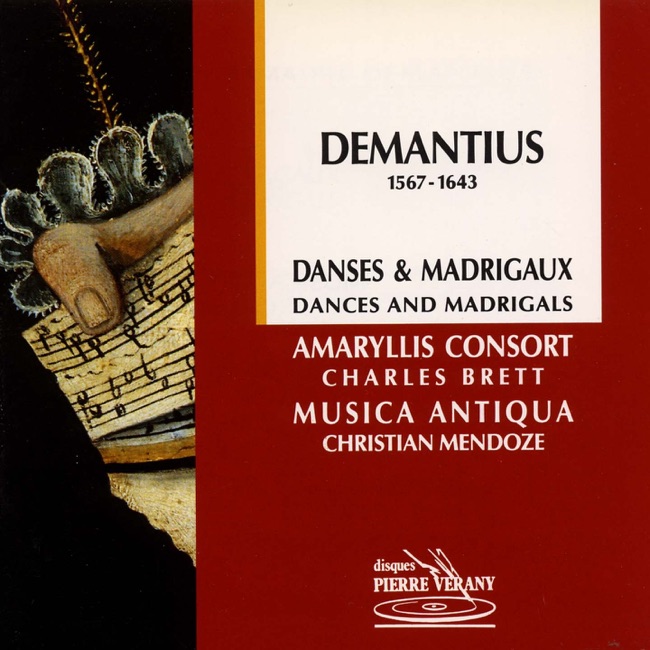
Featured Album
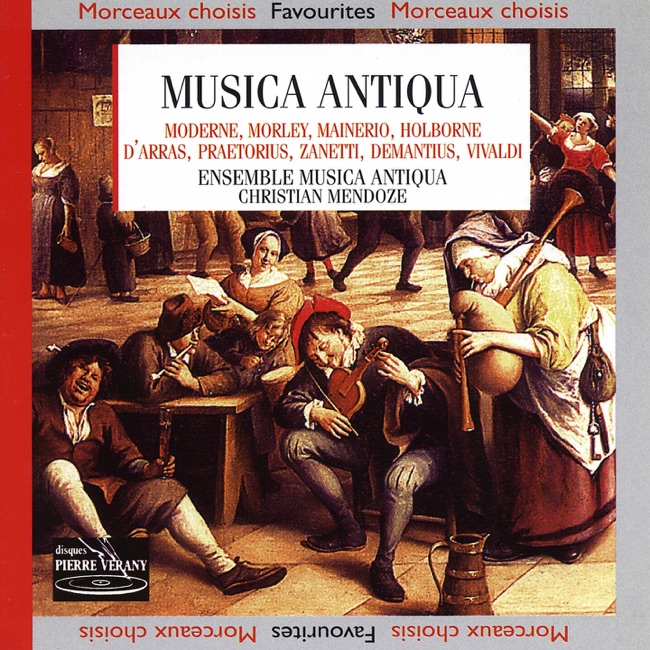
Works Info
Composer:Christoph DemantiusGenre:MiscellaneousStyle:MiscellaneousAverage_duration:1:51Christoph Demantius was a German composer and music theorist who lived from 1567 to 1643. He was a prolific composer of sacred music, and his works were highly regarded during his lifetime. One of his most famous works is the "Intrada prima," which was composed in the early 17th century. The "Intrada prima" is a short instrumental work that was likely intended to be played as an opening piece for a larger musical performance. It is written for a small ensemble of brass instruments, including trumpets and trombones. The piece is in three movements, each of which is characterized by a different tempo and mood. The first movement of the "Intrada prima" is marked "Allegro," and it is a lively and energetic piece that features a fanfare-like theme played by the trumpets. The trombones provide a steady rhythmic foundation, and the overall effect is one of celebration and excitement. The second movement is marked "Adagio," and it is a slower and more contemplative piece. The trumpets play a more subdued melody, while the trombones provide a gentle accompaniment. This movement is characterized by a sense of introspection and reflection. The final movement of the "Intrada prima" is marked "Allegro," and it is a return to the energetic and celebratory mood of the first movement. The trumpets play a lively and virtuosic melody, while the trombones provide a driving rhythmic pulse. This movement is characterized by a sense of joy and exuberance. The "Intrada prima" was likely composed in the early 17th century, although the exact date of its composition is not known. It was likely premiered at a court or church performance, where it would have been played by a small ensemble of skilled musicians. The piece is notable for its use of brass instruments, which were not as commonly used in instrumental music during this time period. Overall, the "Intrada prima" is a short but lively and engaging piece of instrumental music. Its three movements showcase a range of moods and tempos, and its use of brass instruments gives it a distinctive sound. As one of Demantius's most famous works, it remains a popular piece of music to this day.More....
Works Music
Released Music
Featured Music