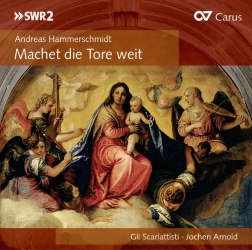
Andreas Hammerschmidt
Meine Seele Gott erhebt
Released Album
Recent Album
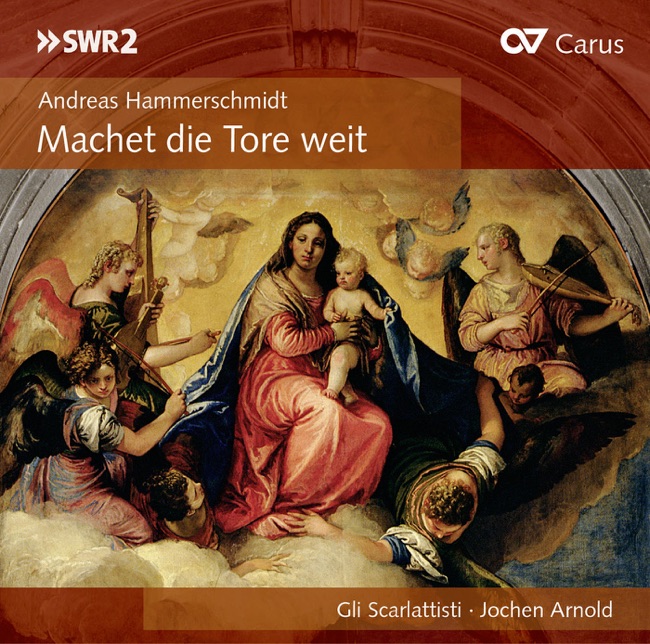
Works Info
Composer:Andreas HammerschmidtGenre:ChoralAverage_duration:3:20Andreas Hammerschmidt was a German composer and organist who lived from 1611 to 1675. He was a prominent figure in the Baroque era of music and is known for his contributions to the development of the German cantata. One of his most famous works is "Meine Seele Gott erhebt," which translates to "My soul magnifies the Lord." "Meine Seele Gott erhebt" is a sacred vocal work that was composed in the mid-17th century. It is a setting of the Magnificat, which is a hymn of praise to the Virgin Mary that is found in the Gospel of Luke. The work is written for four voices (soprano, alto, tenor, and bass) and is accompanied by a basso continuo. The piece is divided into six movements, each of which corresponds to a different section of the Magnificat. The first movement is an instrumental introduction that sets the tone for the piece. The second movement is a duet for soprano and alto that focuses on the words "Meine Seele," or "My soul." The third movement is a solo for the tenor that highlights the words "Er hat Gedächtnis," or "He has remembered." The fourth movement is a trio for soprano, alto, and tenor that emphasizes the words "Er stößt die Gewaltigen vom Thron," or "He has brought down the mighty from their thrones." The fifth movement is a solo for the bass that focuses on the words "Er füllt mit Gütern die Hungrigen," or "He has filled the hungry with good things." The final movement is a four-part chorus that brings the piece to a triumphant conclusion. "Meine Seele Gott erhebt" is characterized by its use of rich harmonies, expressive melodies, and intricate counterpoint. Hammerschmidt's skillful use of vocal and instrumental textures creates a sense of drama and intensity that is typical of Baroque music. The piece is also notable for its use of word painting, which is the musical representation of specific words or phrases in the text. For example, the duet for soprano and alto in the second movement features a descending melody that mirrors the words "Meine Seele," which means "My soul." "Meine Seele Gott erhebt" premiered in the mid-17th century and has since become a beloved piece of sacred music. Its enduring popularity is a testament to Hammerschmidt's skill as a composer and his contribution to the development of the German cantata.More....
Works Music
Released Music