


Andreas Hammerschmidt
Released Album
Choral
-
 May 29, 2020
 -
 May 29, 2020
 -
 November 11, 2016
 -
 November 19, 2013
 -
 November 19, 2013
 -
 May 31, 2013
Vocal
-
 April 24, 2020
 -
 November 2, 2018
 -
 October 26, 2007
 -
 September 23, 2003
 -
 August 20, 2002
Miscellaneous
-
 January 23, 1995
Chamber
-
 January 1, 2007
Artist Info
Role:ComposerCountry: GermanyBirth:1611 in Brüx, BohemiaDeath:October 29, 1675 in ZittauPeriod:BaroqueGenre:ChamberChoralVocalAndreas Hammerschmidt was a German composer of the Baroque era, born in Brüx, Bohemia (now Most, Czech Republic) in 1611. He was the son of a Lutheran pastor and grew up in a musical family, with his father and grandfather both being organists. Hammerschmidt began his musical education at a young age, learning to play the organ and other instruments. In 1628, Hammerschmidt moved to Freiberg, where he became a student at the Gymnasium St. Afra. He continued his musical studies there, and in 1633 he became the organist at the St. Petri Church in Freiberg. During this time, he also began composing music, primarily for the church. In 1639, Hammerschmidt moved to Zittau, where he became the organist at the Church of St. John. He remained in this position for the rest of his life, and it was during this time that he composed the majority of his works. Hammerschmidt was highly regarded as a composer and organist, and his music was widely performed throughout Germany. Hammerschmidt's music is primarily vocal, with a focus on sacred music. He composed numerous cantatas, motets, and chorales, as well as instrumental music such as sonatas and suites. His music is characterized by its use of counterpoint and its expressive harmonies. One of Hammerschmidt's most famous works is his cantata "Machet die Tore weit," which is still performed today. The cantata is based on Psalm 24 and is a celebration of the coming of Christ. It features a lively opening chorus, followed by a series of arias and recitatives. The final chorus is a joyful celebration of Christ's arrival. Another notable work by Hammerschmidt is his "Dialogus von der Geburt Christi," which is a Christmas cantata. The cantata features a dialogue between the shepherds and the angels, and is notable for its use of pastoral themes and its expressive harmonies. Hammerschmidt's music was highly influential in the development of German Baroque music. His use of counterpoint and expressive harmonies were later adopted by composers such as Johann Sebastian Bach and George Frideric Handel. Hammerschmidt died in Zittau in 1675, leaving behind a legacy of beautiful and expressive music. His works continue to be performed and enjoyed today, and he is remembered as one of the great composers of the Baroque era.More....
Recent Artist Music
4
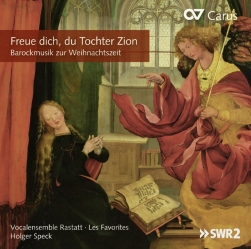
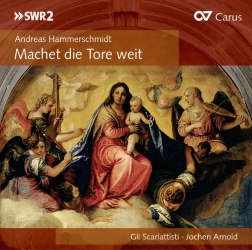
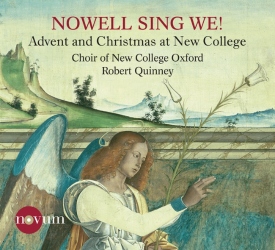
Rejoice, daughter of Zion (from Musical Discussions on the Gospels, 1655)
Freue dich, du Tochter Zion
3:29
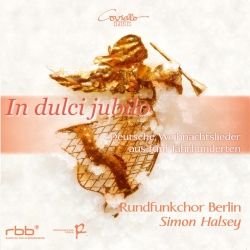
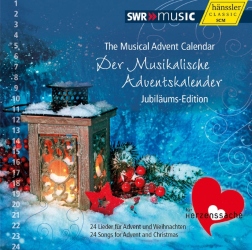
7
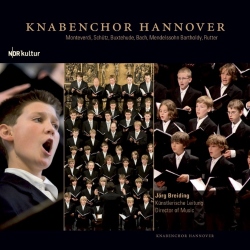
Grant us peace
Verleih uns Frieden genädiglich. Choralkonzert für Bläser, Favoritchor, Capella und Basso continuo
4:31
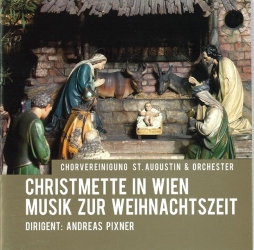


13
Be content again, my soul
Sei nun wieder zufrieden, meine Seele for soprano and basso continuo (Musikalische Andachten I)
1:53
Copyright Ⓒ 2013 Davinci Finger. All rights reseved
Service Terms & Policy