Carl Friedrich Abel
Quartet in G major, WKO 227
Released Album
Recent Album
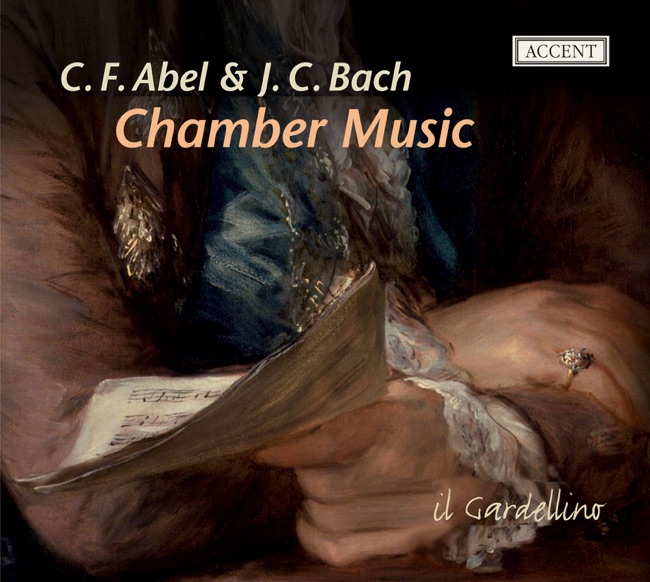
Featured Album
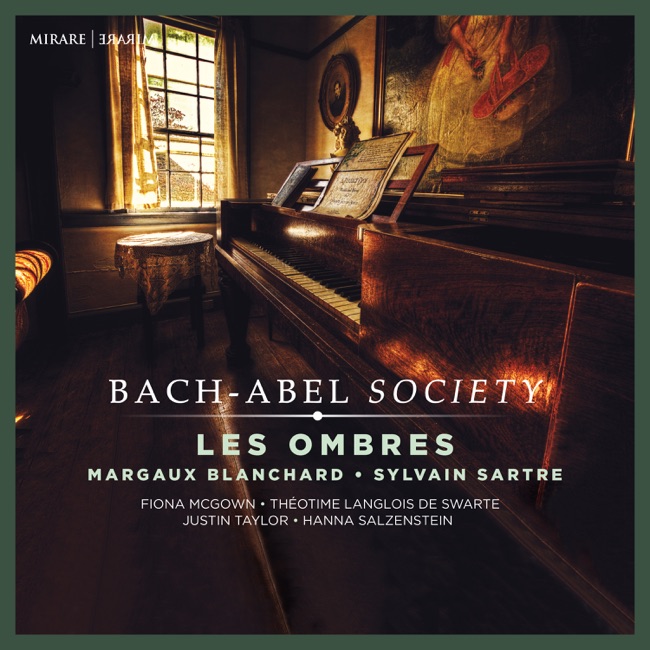
Works Info
Composer:Carl Friedrich AbelGenre:ChamberStyle:QuartetMovement_count:2Movement ....The Quartet in G major, WKO 227, is a chamber music piece composed by Carl Friedrich Abel, a German composer and viola da gamba player. The piece was composed in the late 18th century, around 1770, during the Classical period of music. It was premiered in London, where Abel spent most of his career, and was well-received by audiences and critics alike. The Quartet in G major, WKO 227, consists of four movements: Allegro, Adagio, Menuetto, and Allegro. The first movement, Allegro, is in sonata form and features a lively and energetic melody that is passed between the four instruments. The second movement, Adagio, is a slow and expressive piece that showcases the emotional depth of the quartet. The third movement, Menuetto, is a dance-like piece that features a playful and light-hearted melody. The final movement, Allegro, is a fast and lively piece that brings the quartet to a thrilling conclusion. The Quartet in G major, WKO 227, is characterized by its use of counterpoint, which is the technique of combining multiple melodies to create a complex and harmonious sound. Abel was known for his skill in counterpoint, and this quartet is a prime example of his mastery of the technique. The quartet also features a balanced and equal distribution of melody and harmony between the four instruments, which was a hallmark of Classical chamber music. Overall, the Quartet in G major, WKO 227, is a beautiful and well-crafted piece of chamber music that showcases Abel's skill as a composer and his mastery of counterpoint. Its premiere in London was a testament to its popularity and enduring appeal, and it remains a beloved piece of music to this day.More....