Alessandro Scarlatti
Mortales non auditis
Released Album
Recent Album
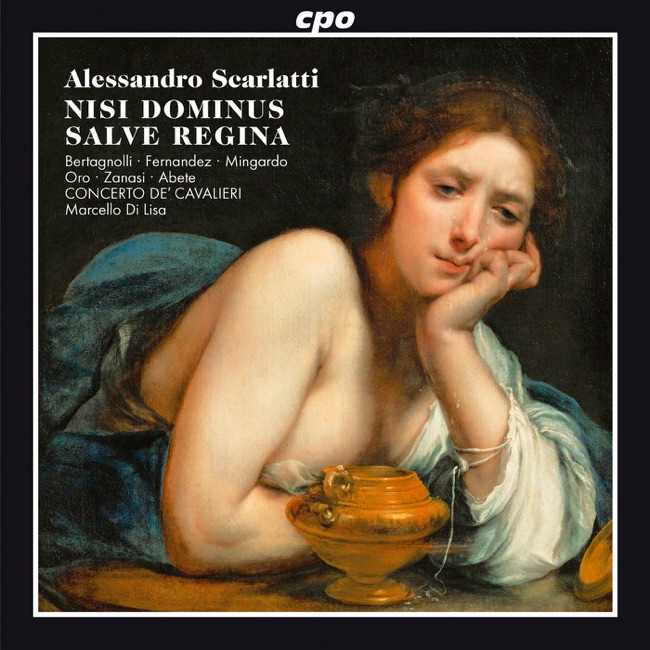
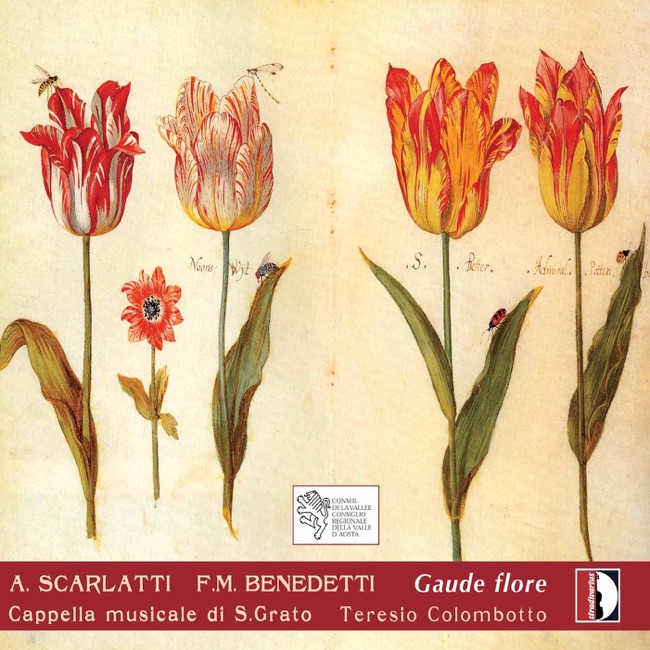
Works Info
Composer:Alessandro ScarlattiGenre:ChoralStyle:ChoralPublication Date:1702Average_duration:13:50"Mortales non auditis" is a sacred oratorio composed by Alessandro Scarlatti, an Italian Baroque composer, in 1708. The oratorio was premiered in Rome, Italy, in the same year. It is a vocal composition that tells the story of the Passion of Christ, from his entry into Jerusalem to his crucifixion and resurrection. The oratorio is divided into several movements, each of which depicts a different scene from the Passion story. The first movement, "Hosanna Filio David," is a joyful chorus that celebrates Christ's entry into Jerusalem. The second movement, "Ecce Rex Vester," is a recitative that describes the betrayal of Christ by Judas. The third movement, "Quid Prodest," is an aria that laments the betrayal and asks why it had to happen. The fourth movement, "Tenebrae Factae Sunt," is a chorus that describes the darkness that fell over the land during the crucifixion. The fifth movement, "Crucifixus," is an aria that depicts the agony of Christ on the cross. The sixth movement, "Sepulto Domino," is a recitative that describes the burial of Christ. The final movement, "Surrexit Dominus," is a triumphant chorus that celebrates the resurrection of Christ. Throughout the oratorio, Scarlatti uses a variety of musical techniques to convey the emotions of the story. He employs dissonance and chromaticism to depict the pain and suffering of Christ, while using major keys and joyful melodies to celebrate his triumph over death. Overall, "Mortales non auditis" is a powerful and moving work that captures the essence of the Passion story. Scarlatti's skillful use of music and text creates a vivid and emotional portrayal of Christ's journey from triumph to tragedy to triumph once again.More....
Works Music
Released Music