Orlande de Lassus
Cantate Domino canticum novum, M. xi (S. i/42)
Released Album
Recent Album
Works Info
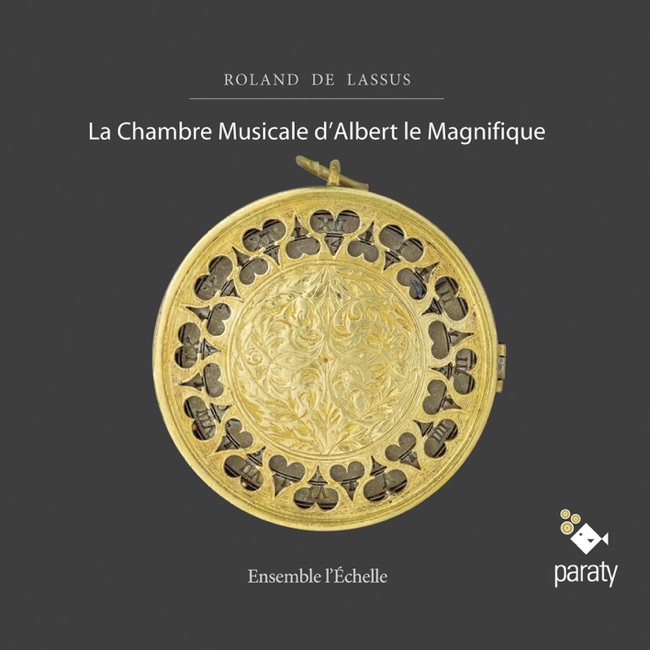
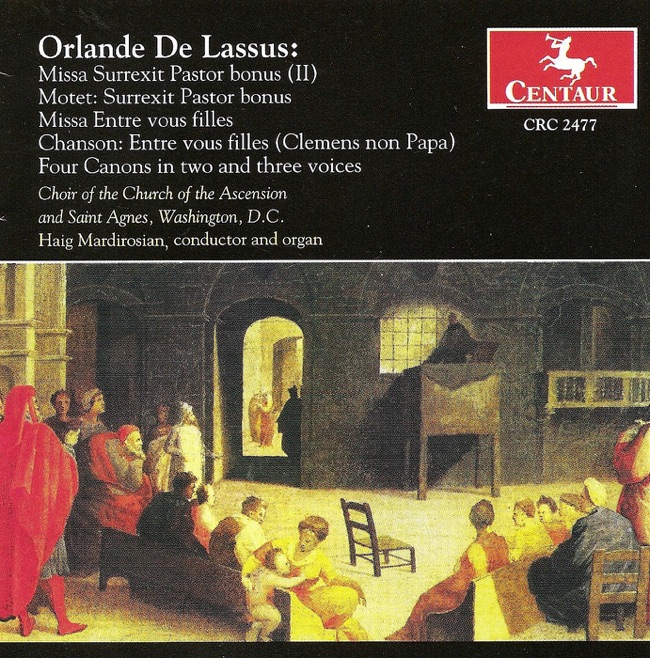
Composer:Orlande de LassusGenre:ChoralStyle:ChoralPublication Date:1575Average_duration:3:55Orlande de Lassus, also known as Roland de Lassus, was a prominent composer of the late Renaissance period. He was born in Mons, Hainaut, in present-day Belgium, in 1532 or 1530, and died in Munich, Germany, in 1594. Lassus was a prolific composer, who wrote over 2,000 works in various genres, including masses, motets, madrigals, chansons, and instrumental music. His music was highly esteemed during his lifetime and has continued to be admired and performed to this day. One of Lassus's most famous works is the motet "Cantate Domino canticum novum," which is also known as "Singet dem Herrn ein neues Lied" in German. The motet is scored for eight voices, divided into two choirs of four voices each. It was composed in 1562, during Lassus's early years in Munich, where he worked for the court of Duke Albrecht V of Bavaria. The motet was likely written for the court chapel, which was renowned for its musical excellence. The motet "Cantate Domino canticum novum" is in six movements, each of which is based on a different verse from Psalm 96. The first movement is a joyful and exuberant setting of the opening verse, "Sing to the Lord a new song; sing to the Lord, all the earth!" The second movement is a more subdued and contemplative setting of the second verse, "Sing to the Lord, bless his name; tell of his salvation from day to day." The third movement is a lively and rhythmic setting of the third verse, "Declare his glory among the nations, his marvelous works among all the peoples!" The fourth movement is a gentle and expressive setting of the fourth verse, "For great is the Lord, and greatly to be praised; he is to be feared above all gods." The fifth movement is a majestic and grand setting of the fifth verse, "For all the gods of the peoples are idols, but the Lord made the heavens." The final movement is a triumphant and joyful setting of the sixth verse, "Splendor and majesty are before him; strength and beauty are in his sanctuary." The motet "Cantate Domino canticum novum" is a masterpiece of Renaissance polyphony, characterized by its rich harmonies, intricate counterpoint, and expressive text setting. Lassus's use of two choirs allows for a wide range of textures and sonorities, as well as antiphonal effects between the two groups. The motet also showcases Lassus's skill in setting text to music, as he emphasizes the meaning and emotion of each verse through his musical choices. Overall, "Cantate Domino canticum novum" is a testament to Lassus's mastery of the art of choral composition and his ability to create music that is both beautiful and meaningful.More....
Works Music