Girolamo Frescobaldi
Arie musicali Bk.2 No. 20, Oh dolore
Released Album
Recent Album
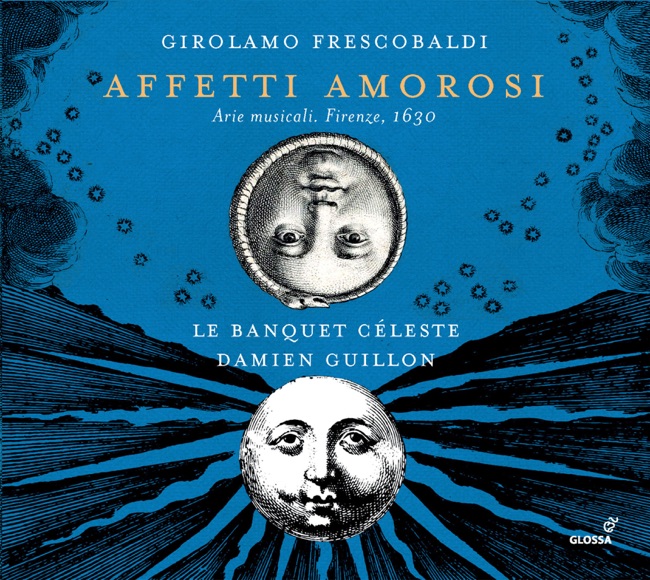
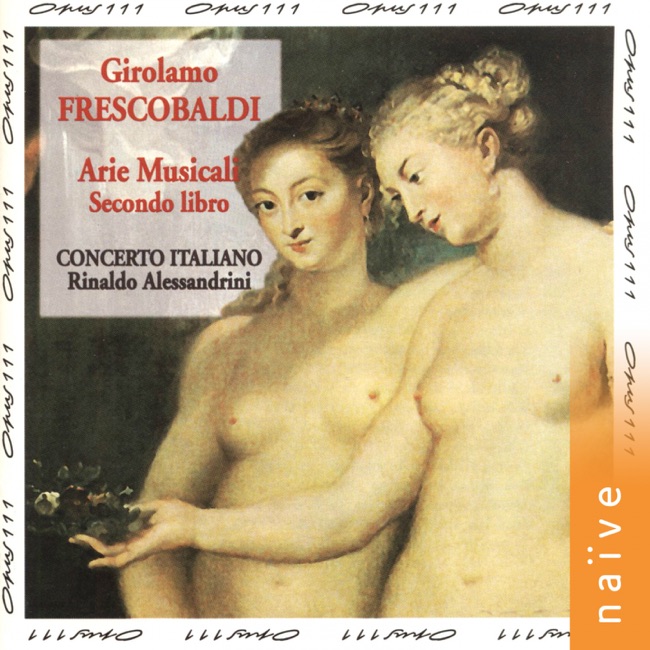
Works Info
Composer:Girolamo FrescobaldiGenre:VocalStyle:Vocal MusicPublication Date:1630Average_duration:3:10Girolamo Frescobaldi was an Italian composer, organist, and keyboard player of the Baroque era. He was born in Ferrara, Italy, in 1583 and died in Rome in 1643. Frescobaldi was one of the most important composers of his time, and his music had a significant influence on the development of keyboard music in the Baroque era. One of Frescobaldi's most famous works is the Arie musicali Bk.2 No. 20, Oh dolore. This piece was composed in the early 1630s and was first published in 1635. It is a vocal work for soprano and continuo, and it is part of a collection of arias that Frescobaldi composed for the court of the Medici family in Florence. The Arie musicali Bk.2 No. 20, Oh dolore, is a three-movement work that is characterized by its expressive and emotional qualities. The first movement is a recitative that sets the scene for the aria. The soprano sings of her pain and sorrow, lamenting the loss of her lover. The second movement is the aria proper, which is a slow and mournful piece that is full of pathos. The soprano sings of her grief and despair, and the continuo provides a somber and melancholy accompaniment. The final movement is a short recitative that brings the piece to a close. The Arie musicali Bk.2 No. 20, Oh dolore, is a prime example of Frescobaldi's skill as a composer. The piece is notable for its use of dissonance and chromaticism, which create a sense of tension and unease. The vocal line is highly expressive, with long, flowing phrases that are full of emotion. The continuo part is also highly expressive, with frequent use of suspensions and other harmonic devices that add to the overall sense of melancholy. In conclusion, the Arie musicali Bk.2 No. 20, Oh dolore, is a masterpiece of Baroque vocal music. It is a deeply emotional and expressive work that showcases Frescobaldi's skill as a composer. The piece is notable for its use of dissonance and chromaticism, as well as its highly expressive vocal and continuo parts. It remains a popular work in the Baroque vocal repertoire to this day.More....
Works Music