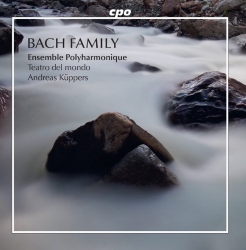
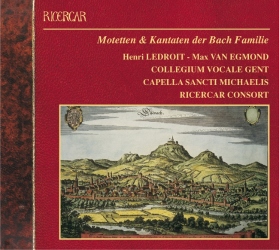
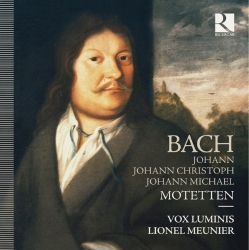
Johann Bach
Weint nicht um meinem Tod
Released Album
Recent Album
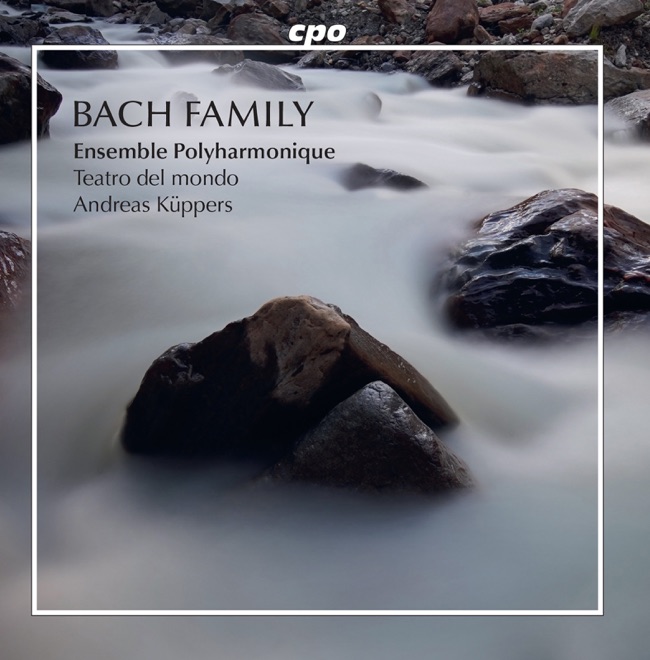
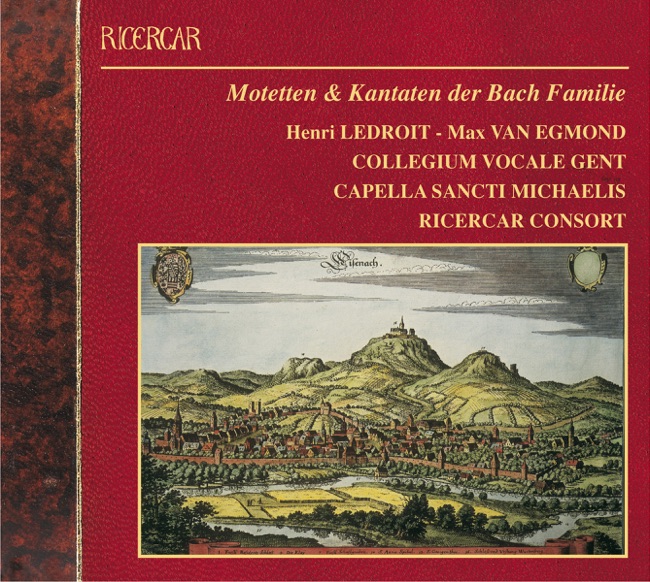
Featured Album
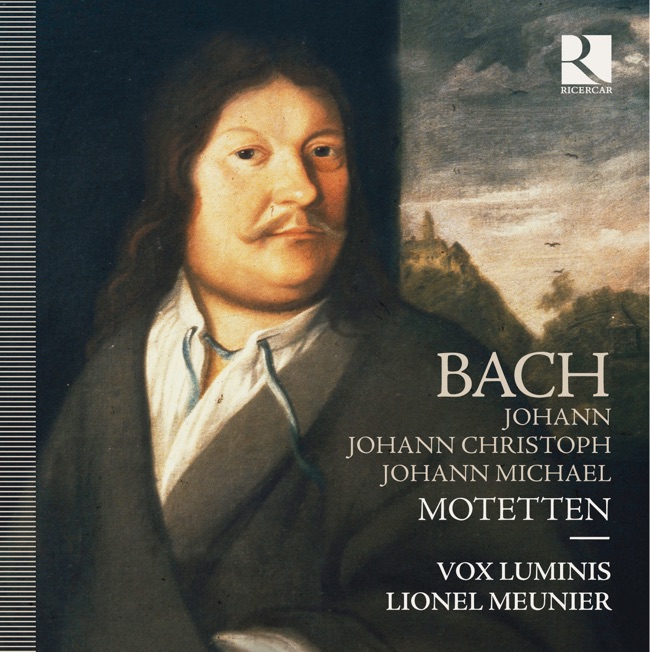
Works Info
Composer:Johann BachGenre:ChoralStyle:ChoralAverage_duration:1:52"Weint nicht um meinem Tod" is a sacred cantata composed by Johann Bach, a German composer and musician of the Baroque period. The cantata was composed in 1707 and premiered in the same year in Arnstadt, Germany. The cantata consists of four movements, each with its own unique characteristics. The first movement is a mournful aria, with a slow and somber melody that reflects the sadness of death. The second movement is a recitative, which is a type of musical declamation that is used to convey the text of the piece. In this movement, the soloist sings a series of short phrases that describe the sorrow of those left behind after the death of a loved one. The third movement is a duet between the soprano and alto soloists, with a lively and upbeat melody that contrasts with the mournful tone of the previous movements. This movement is meant to convey the idea that death is not the end, but rather a transition to a new life. The final movement is a chorale, which is a type of hymn that is often used in sacred music. The melody of the chorale is simple and straightforward, with a repetitive structure that emphasizes the text of the piece. The text of the chorale is a prayer for comfort and strength in the face of death, and it serves as a fitting conclusion to the cantata. Overall, "Weint nicht um meinem Tod" is a powerful and moving piece of music that reflects the deep emotions that are associated with death. Through its use of different musical styles and techniques, it conveys a message of hope and comfort in the face of loss.More....
Works Music