Carlo Gesualdo
Recessit pastor noster, W. 7/77
Released Album
Recent Album
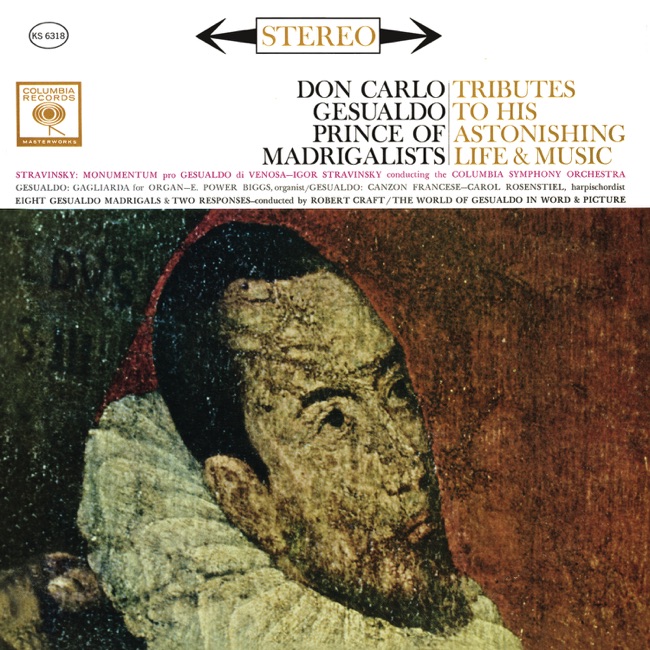
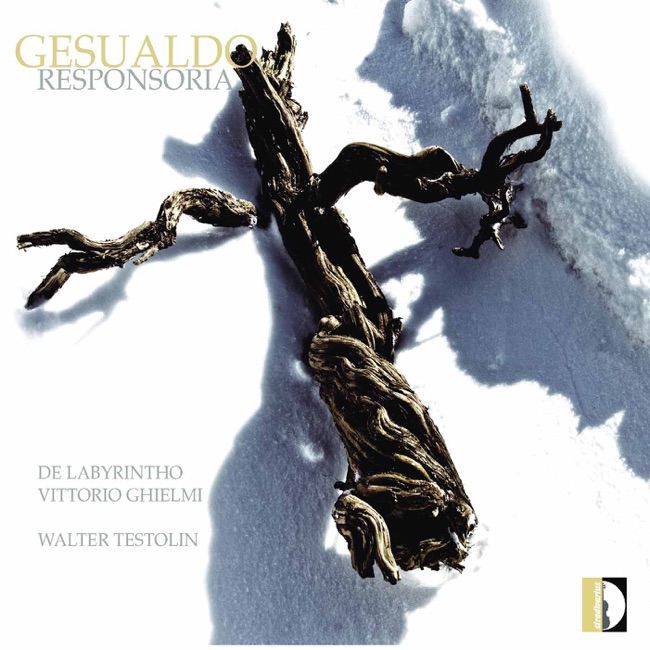
Works Info
Composer:Carlo GesualdoGenre:ChoralStyle:ChoralCompose Date:1611Average_duration:3:46Carlo Gesualdo, an Italian composer of the late Renaissance, composed "Recessit pastor noster, W. 7/77" in the late 16th century. The piece is a sacred motet, written for five voices (SSATB), and is based on a text from the Gospel of John. The premiere of "Recessit pastor noster" is unknown, but it was likely performed in Gesualdo's lifetime, as he was known to have been a prolific composer and performer. The piece is part of a larger collection of sacred music that Gesualdo composed, which includes numerous motets and madrigals. "Recessit pastor noster" is divided into three movements, each of which is characterized by its use of chromaticism and dissonance. The first movement begins with a somber and mournful tone, as the text describes the death of Christ. The second movement is more upbeat and celebratory, as the text describes Christ's resurrection. The final movement returns to a more somber tone, as the text describes Christ's ascension into heaven. One of the most notable characteristics of "Recessit pastor noster" is its use of chromaticism and dissonance. Gesualdo was known for his innovative use of harmony, and "Recessit pastor noster" is no exception. The piece is filled with unexpected chord progressions and dissonant harmonies, which create a sense of tension and unease. This use of chromaticism and dissonance was highly unusual for the time, and it has made Gesualdo's music a subject of fascination for modern composers and musicologists. Overall, "Recessit pastor noster" is a powerful and emotionally charged piece of sacred music. Its innovative use of harmony and dissonance make it a landmark work in the history of Western music, and it continues to be studied and performed by musicians and scholars around the world.More....
Works Music