Johann David Heinichen
Sonata for oboe, viola da gamba & continuo in C minor
Released Album
Recent Album
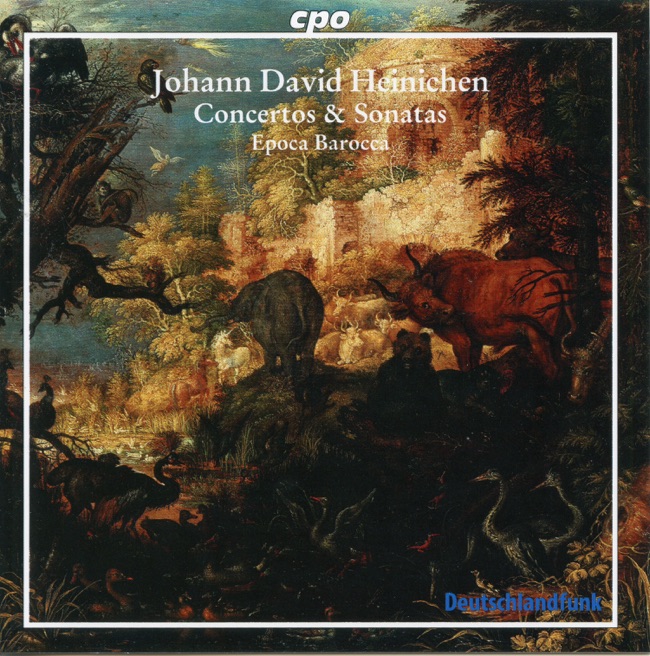
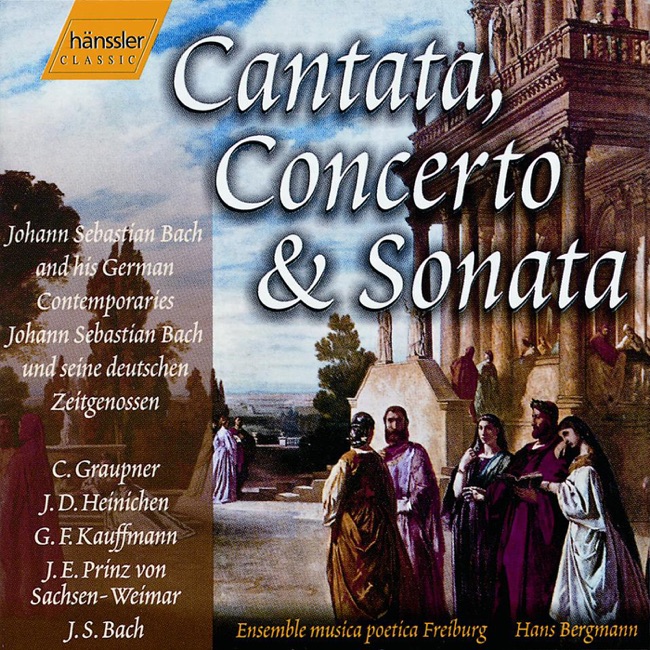
Works Info
Composer:Johann David HeinichenGenre:ChamberStyle:SonataAverage_duration:6:45Movement_count:4Movement ....Johann David Heinichen's Sonata for oboe, viola da gamba & continuo in C minor is a Baroque chamber music piece that was composed in the early 18th century. The exact date of composition is unknown, but it is believed to have been written between 1710 and 1720. The sonata is a three-movement work that features the oboe and viola da gamba as solo instruments, accompanied by a continuo group consisting of harpsichord, cello, and bassoon. The sonata opens with a slow and somber Adagio movement in C minor. The oboe and viola da gamba take turns playing the main theme, which is characterized by its melancholic and mournful melody. The continuo group provides a steady and supportive accompaniment, with the harpsichord playing a prominent role in filling out the harmony. The movement ends with a brief coda that brings the music to a quiet and introspective close. The second movement is a lively and energetic Allegro in C major. The oboe and viola da gamba engage in a playful and virtuosic dialogue, with each instrument taking turns playing rapid runs and trills. The continuo group provides a lively and rhythmic accompaniment, with the harpsichord and bassoon adding a sense of buoyancy and momentum to the music. The movement ends with a brief coda that brings the music to a joyful and exuberant close. The final movement is a stately and dignified Adagio in C minor. The oboe and viola da gamba play a solemn and majestic melody, with the viola da gamba taking the lead in the opening section. The continuo group provides a rich and harmonious accompaniment, with the harpsichord and cello adding a sense of depth and resonance to the music. The movement ends with a brief coda that brings the music to a grand and majestic close. Overall, Heinichen's Sonata for oboe, viola da gamba & continuo in C minor is a fine example of Baroque chamber music. The sonata showcases the virtuosity and expressive range of the oboe and viola da gamba, while also demonstrating the importance of the continuo group in providing a rich and supportive accompaniment. The music is characterized by its emotional depth, technical brilliance, and formal elegance, making it a valuable addition to the repertoire of Baroque chamber music.More....
Works Music
Released Music