Paolo Tosti
M'amasti mai?
Released Album
Recent Album
Works Info
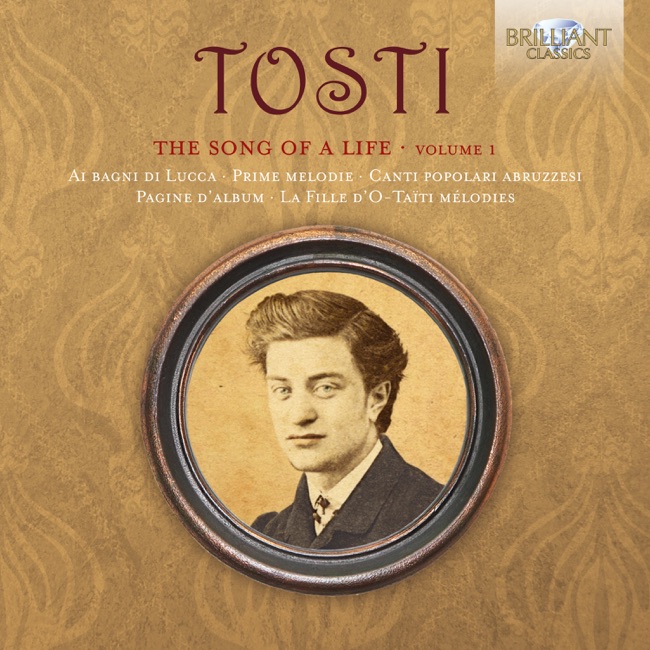
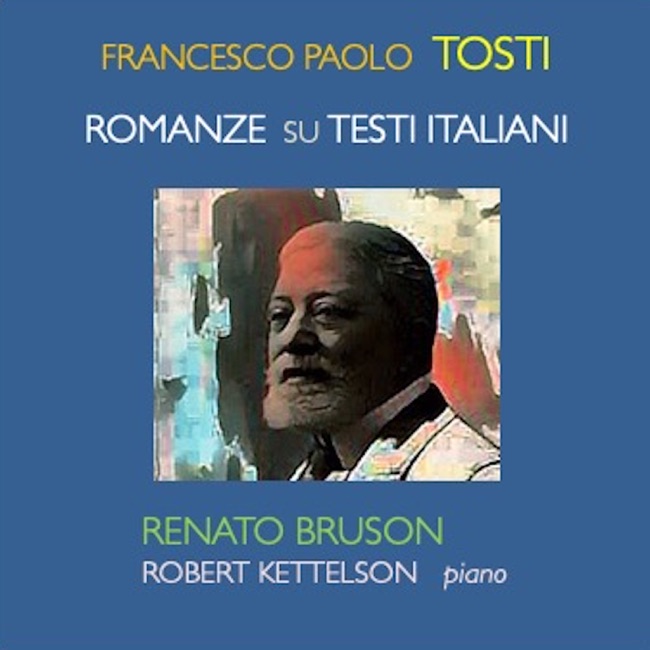
Composer:Paolo TostiGenre:VocalStyle:Vocal MusicCompose Date:1876Average_duration:3:20"M'amasti mai?" is a beautiful Italian art song composed by Paolo Tosti. It was composed in the late 19th century and premiered in 1887. The song is a part of Tosti's collection of songs called "Romanze" and is one of his most popular compositions. The song is written in a slow and melancholic tempo and is divided into three movements. The first movement is marked "Andante" and is in the key of G minor. It begins with a simple piano introduction that sets the mood for the song. The singer then enters with the first verse, which is sung in a soft and tender voice. The melody is simple and elegant, with a few embellishments that add to the emotional impact of the song. The second movement is marked "Adagio" and is in the key of E-flat major. It begins with a beautiful piano interlude that sets the stage for the second verse. The melody is more complex in this movement, with a few unexpected twists and turns that add to the emotional intensity of the song. The singer's voice becomes more passionate and expressive, conveying the depth of the emotions that the song is meant to evoke. The third movement is marked "Andante con moto" and is in the key of G minor. It begins with a piano interlude that is more lively and upbeat than the previous movements. The melody is more complex in this movement, with a few unexpected twists and turns that add to the emotional intensity of the song. The singer's voice becomes more passionate and expressive, conveying the depth of the emotions that the song is meant to evoke. The characteristics of "M'amasti mai?" are typical of Tosti's style. The song is characterized by its simple and elegant melody, its emotional intensity, and its expressive vocal line. Tosti was known for his ability to write beautiful melodies that were easy to sing and that conveyed a wide range of emotions. "M'amasti mai?" is a perfect example of his style, and it remains one of his most beloved compositions to this day.More....