Alexander Glazunov
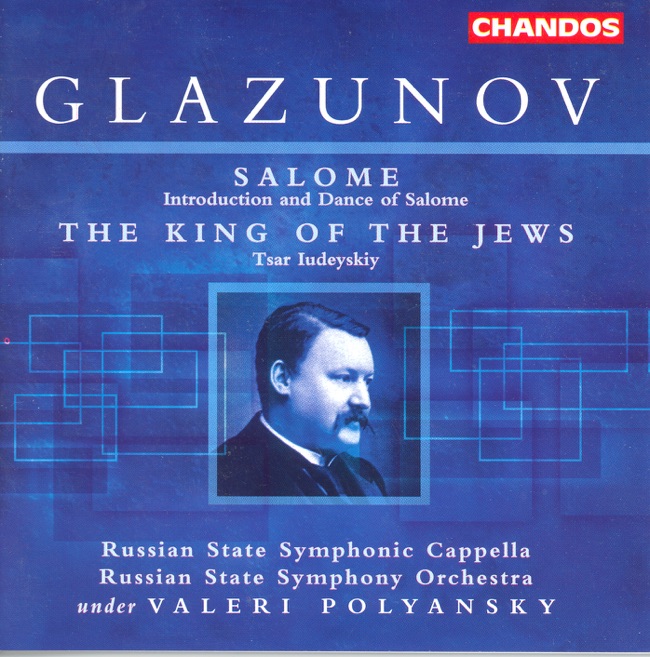
Salomé, Op. 90
Released Album
Recent Album
Works Info
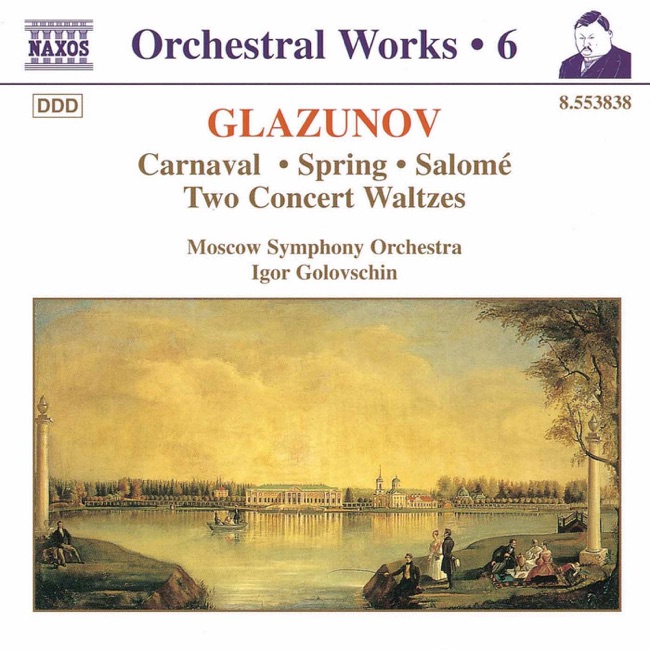
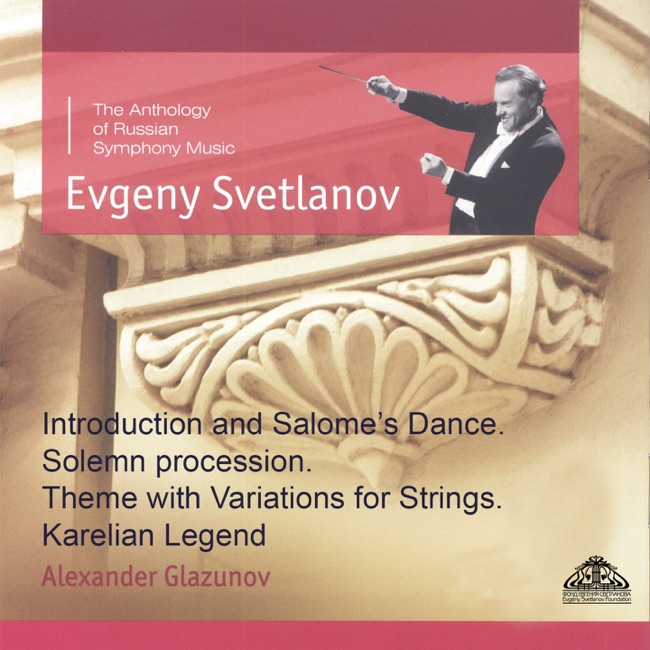
Composer:Alexander GlazunovGenre:OrchestralStyle:Incidental MusicCompose Date:1908Average_duration:15:56Movement_count:2Movement ....Salomé, Op. 90 is a symphonic poem composed by Alexander Glazunov in 1907. It was premiered on December 22, 1908, in St. Petersburg, Russia, conducted by Felix Blumenfeld. The piece is based on the biblical story of Salomé, the daughter of Herodias, who danced for King Herod and requested the head of John the Baptist as a reward. The piece is divided into four movements, each depicting a different aspect of the story. The first movement, "The Princess Salomé," introduces the character of Salomé with a lyrical and sensual melody played by the strings. The music becomes more agitated as Salomé becomes obsessed with John the Baptist. The second movement, "The Prophet," is a depiction of John the Baptist. The music is solemn and austere, with a sense of foreboding. The third movement, "The Dance of Salomé," is the most famous part of the piece. It begins with a seductive melody played by the clarinet, which is then taken up by the rest of the orchestra. The music becomes more frenzied as Salomé dances, culminating in a climax as she demands the head of John the Baptist. The final movement, "The Death of Salomé," is a somber and mournful piece that depicts the aftermath of Salomé's actions. The music is slow and mournful, with a sense of regret and tragedy. Overall, Salomé, Op. 90 is a powerful and evocative piece of music that captures the drama and intensity of the biblical story. Glazunov's use of melody and orchestration is masterful, creating a vivid and emotional musical narrative.More....