Nicolaus Bruhns
Wohl dem, der Den Herren Fürchtet
Released Album
Recent Album
Featured Album
Works Info
Composer:Nicolaus BruhnsGenre:VocalStyle:Vocal MusicAverage_duration:7:48Nicolaus Bruhns was a German Baroque composer who lived from 1665 to 1697. He was a student of the famous Danish-German composer Dieterich Buxtehude and is known for his vocal and instrumental works. One of his most famous compositions is the cantata "Wohl dem, der den Herren fürchtet" (Blessed is he who fears the Lord). The cantata was composed in 1689 and premiered in the same year in the Marienkirche in Lübeck, where Bruhns was the organist. It is a sacred vocal work for four voices (soprano, alto, tenor, and bass) and instrumental accompaniment (two violins, viola da gamba, and continuo). The cantata consists of five movements, each with its own distinct character and musical style. The first movement is a chorale fantasia based on the hymn "Wohl dem, der den Herren fürchtet" (Blessed is he who fears the Lord). The choir sings the hymn melody in long notes while the instrumentalists play virtuosic figurations and counterpoint. The second movement is a duet for soprano and alto, accompanied by the violins and continuo. It is a lyrical and expressive aria that reflects on the blessings of fearing the Lord. The third movement is a bass aria with a lively and dance-like character. It is accompanied by the viola da gamba and continuo and celebrates the joy of serving the Lord. The fourth movement is a tenor aria with a more contemplative and introspective character. It is accompanied by the violins and continuo and reflects on the transience of life and the need for salvation. The final movement is a four-part chorale setting of the hymn "Wohl dem, der den Herren fürchtet". It is a simple and homophonic setting that brings the cantata to a peaceful and contemplative conclusion. Overall, "Wohl dem, der den Herren fürchtet" is a beautiful and expressive cantata that showcases Bruhns' skill as a composer. It combines virtuosic instrumental writing with expressive vocal music and reflects the religious and musical traditions of the German Baroque.More....
Works Music
Released Music
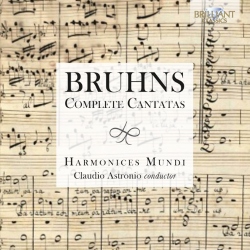
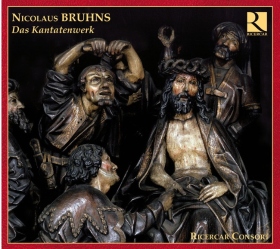
Featured Music