


Georg Philipp Telemann
Gott will Mensch und sterblich werden, TWV 1:694
Released Album
Recent Album
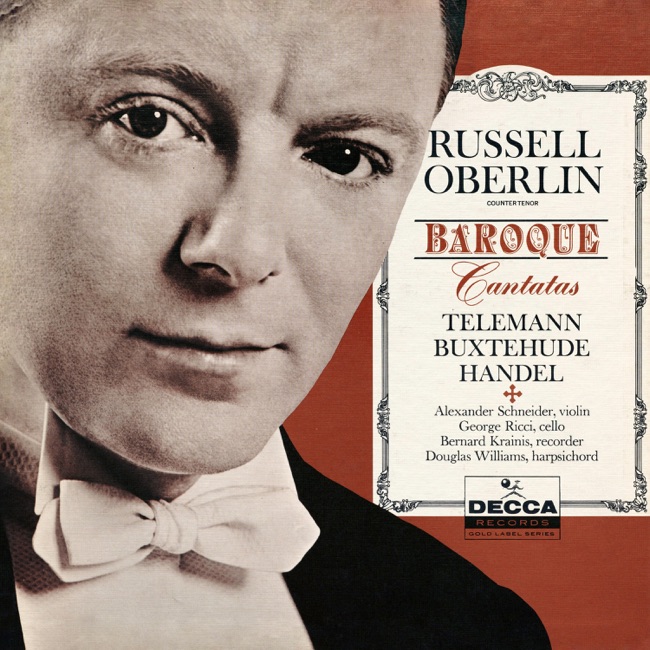
Featured Album
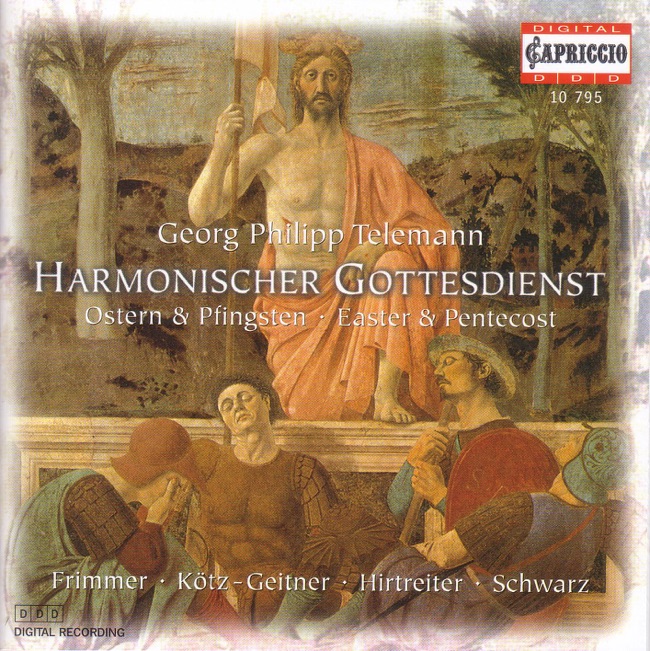
Works Info
Composer:Georg Philipp TelemannGenre:VocalStyle:Vocal MusicCompose Date:1725Publication Date:1725Average_duration:7:59Movement_count:3Movement ....Georg Philipp Telemann's "Gott will Mensch und sterblich werden, TWV 1:694" is a sacred cantata that was composed in 1759. The piece was premiered in Hamburg, Germany, on Christmas Day of the same year. The cantata is divided into six movements, each with its own unique characteristics. The first movement, "Gott will Mensch und sterblich werden," is a lively and joyful chorus that sets the tone for the entire piece. The music is characterized by its use of bright, major-key harmonies and energetic rhythms. The choir sings of the miracle of God becoming human and mortal, and the music reflects this sense of wonder and awe. The second movement, "Gott, der in seiner Majestät," is a slower and more contemplative aria for bass soloist. The music is characterized by its use of minor-key harmonies and more subdued rhythms. The soloist sings of the humility and sacrifice of God in becoming human, and the music reflects this sense of solemnity and reverence. The third movement, "O Wunder, das kein Mensch ergründen kann," is a duet for soprano and alto soloists. The music is characterized by its use of intricate counterpoint and delicate, ornamented melodies. The duet sings of the mystery of God's incarnation, and the music reflects this sense of wonder and mystery. The fourth movement, "So geht aus Gottes Herrlichkeit," is a lively and joyful aria for tenor soloist. The music is characterized by its use of bright, major-key harmonies and energetic rhythms. The soloist sings of the joy and celebration that accompanies the birth of Christ, and the music reflects this sense of exuberance and excitement. The fifth movement, "O selig, wer sich hier zu Jesu Füßen legt," is a slower and more contemplative aria for alto soloist. The music is characterized by its use of minor-key harmonies and more subdued rhythms. The soloist sings of the peace and comfort that comes from being in the presence of Christ, and the music reflects this sense of calm and serenity. The final movement, "So lasset uns nun gehen," is a lively and joyful chorus that brings the piece to a close. The music is characterized by its use of bright, major-key harmonies and energetic rhythms. The choir sings of the joy and celebration that accompanies the birth of Christ, and the music reflects this sense of exuberance and excitement. Overall, "Gott will Mensch und sterblich werden, TWV 1:694" is a beautiful and uplifting piece of music that celebrates the miracle of Christmas. The music is characterized by its use of bright, major-key harmonies, energetic rhythms, intricate counterpoint, and delicate, ornamented melodies. The piece is a testament to Telemann's skill as a composer and his deep faith in God.More....
Works Music
Released Music
2
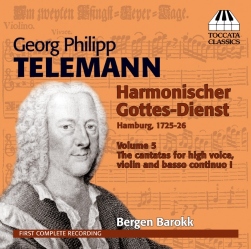
4:5
3
2:8
Featured Music
1
God wills to become man and mortal, TWV 1:694
1. Aria Presto: "Gott will Mensch und sterblich werden"
3:50
2
God wills to become man and mortal, TWV 1:694
2. Recitativo: "Nein, wenn ich gleich der Morgenröte Flügel nähme"
1:56
3
God wills to become man and mortal, TWV 1:694
3. Aria Vivace: "Immanuel ist da! Triumph, halleluja!"
2:17