


Karl Ditters von Dittersdorf
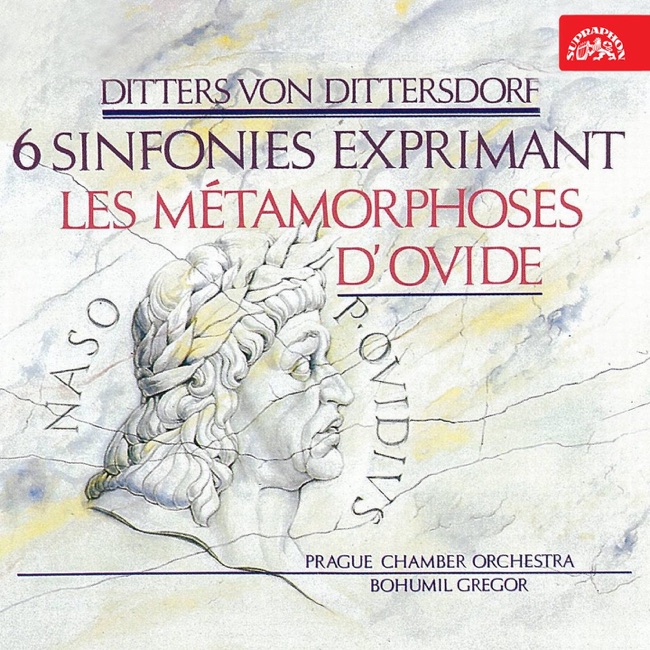
Symphony after Ovid's "Metamorphoses" No. 2 in D major "De Sturz Phaëton"
Released Album
Recent Album


Works Info
Composer:Karl Ditters von DittersdorfGenre:SymphonyStyle:SymphonyCompose Date:1783Average_duration:19:53Movement_count:4Movement ....Karl Ditters von Dittersdorf's Symphony after Ovid's Metamorphoses No. 2 in D major De Sturz Phaëton was composed in 1785. It premiered in Vienna, Austria, on February 17, 1786. The symphony is divided into four movements. The first movement, marked Allegro, begins with a lively and energetic theme played by the strings. The theme is then passed on to the woodwinds and brass, creating a sense of excitement and anticipation. The movement features several contrasting sections, including a lyrical second theme and a more dramatic development section. The second movement, marked Andante, is a beautiful and melancholic piece that features a solo violin playing a haunting melody. The strings provide a delicate accompaniment, creating a sense of intimacy and introspection. The movement is notable for its use of chromaticism and unexpected harmonic shifts. The third movement, marked Menuetto, is a lively and playful dance in triple meter. The movement features a catchy main theme that is passed between the different sections of the orchestra. The trio section provides a contrast to the main theme, featuring a more lyrical and melodic theme played by the woodwinds. The final movement, marked Presto, is a fast and exciting piece that depicts the fall of Phaëton, the son of the sun god Helios, who attempted to drive his father's chariot across the sky but lost control and fell to his death. The movement features a driving rhythm and intense orchestration, with the brass and percussion playing a prominent role. The movement ends with a dramatic coda that brings the symphony to a thrilling conclusion. Overall, Symphony after Ovid's Metamorphoses No. 2 in D major De Sturz Phaëton is a masterful work that showcases Dittersdorf's skill as a composer. The symphony is notable for its use of programmatic elements, with each movement depicting a different scene from the story of Phaëton. The symphony is also notable for its use of orchestration, with Dittersdorf making full use of the different sections of the orchestra to create a rich and varied sound.More....
Works Music
Released Music
1

7:58
2

Symphony after Ovid's "Metamorphoses" No. 2 in D major "The Sturz Phaeton"
Adagio non molto - Allegro
8:22
3
Symphony after Ovid's "Metamorphoses" No. 2 in D major "The Sturz Phaeton"
IV. Finale. Vivace ma non troppo
4:29