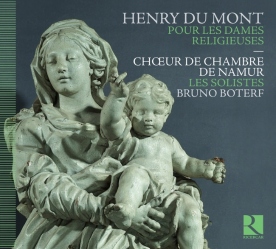
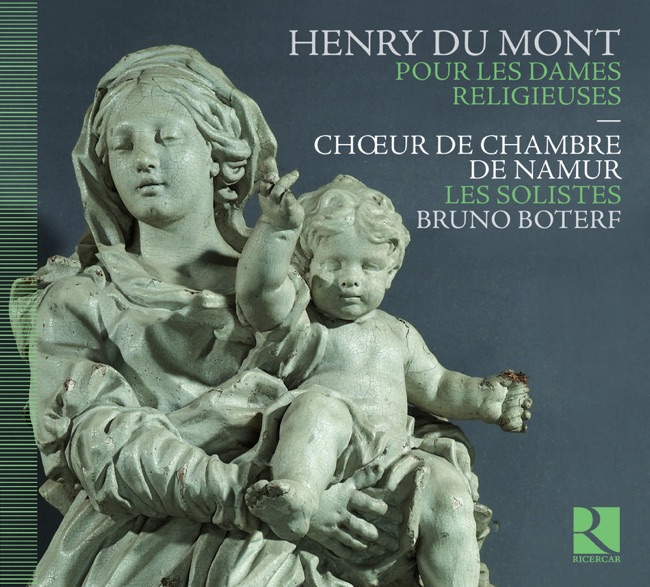
Henry du Mont
Prélude à 3 (from Mélanges, 1657)
Released Album
Recent Album
Works Info
Composer:Henry du MontGenre:KeyboardAverage_duration:2:02Henry du Mont was a French composer and organist who lived from 1610 to 1684. He was a prominent figure in the French Baroque era and was known for his contributions to the development of French sacred music. One of his notable works is the "Prélude à 3 (from Mélanges, 1657)". The "Prélude à 3" was composed in 1657 and was part of a collection of works called "Mélanges". The collection was a compilation of various pieces of music that du Mont had composed over the years. The "Prélude à 3" was one of the few instrumental pieces in the collection, as most of the works were vocal. The "Prélude à 3" is a short piece that is approximately two minutes in length. It is written for three instruments: two violins and a basso continuo. The piece is in the key of D major and is in a binary form, meaning it has two distinct sections. The first section of the piece is characterized by a lively and energetic melody played by the violins. The melody is accompanied by a simple bass line played by the continuo. The second section of the piece is more subdued and features a slower, more contemplative melody. The two sections are connected by a brief transitional passage. One of the notable characteristics of the "Prélude à 3" is its use of counterpoint. Counterpoint is a technique in which two or more melodies are played simultaneously, creating a complex and harmonically rich texture. Du Mont was known for his skill in counterpoint, and the "Prélude à 3" is a good example of his mastery of the technique. The "Prélude à 3" premiered in 1657, but it is unclear where or when the premiere took place. It is likely that the piece was performed in a church or other religious setting, as du Mont was primarily a composer of sacred music. In conclusion, the "Prélude à 3 (from Mélanges, 1657)" is a short but charming instrumental piece by Henry du Mont. It is characterized by its lively melody, use of counterpoint, and binary form. The piece premiered in 1657, but little is known about its performance history.More....
Works Music
Released Music