Franz Joseph Haydn
Baryton Trio in A major, H. 11/2
Released Album
Recent Album
Works Info
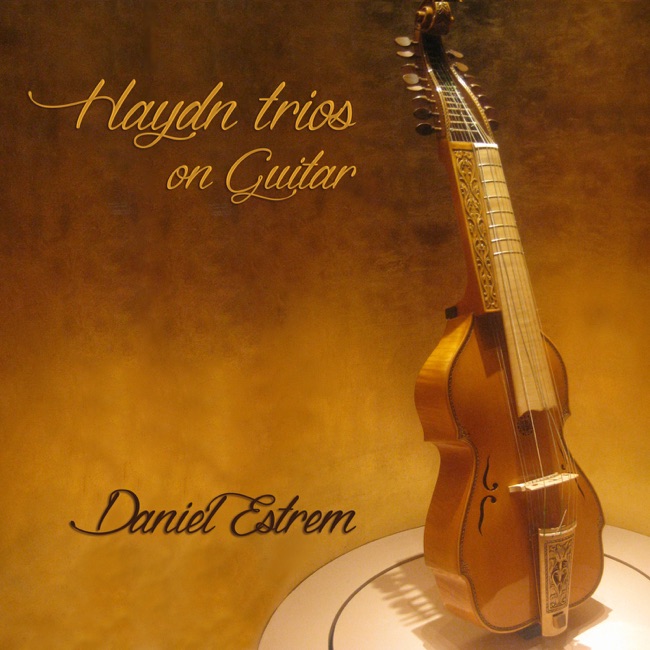
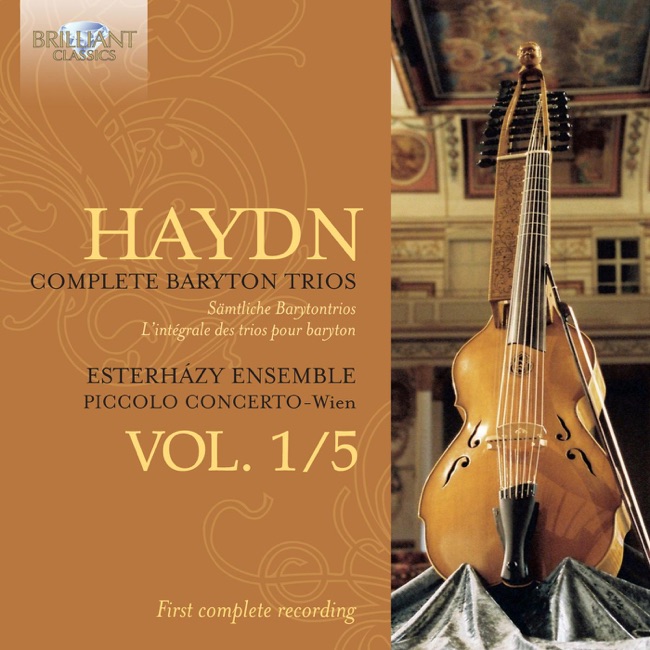
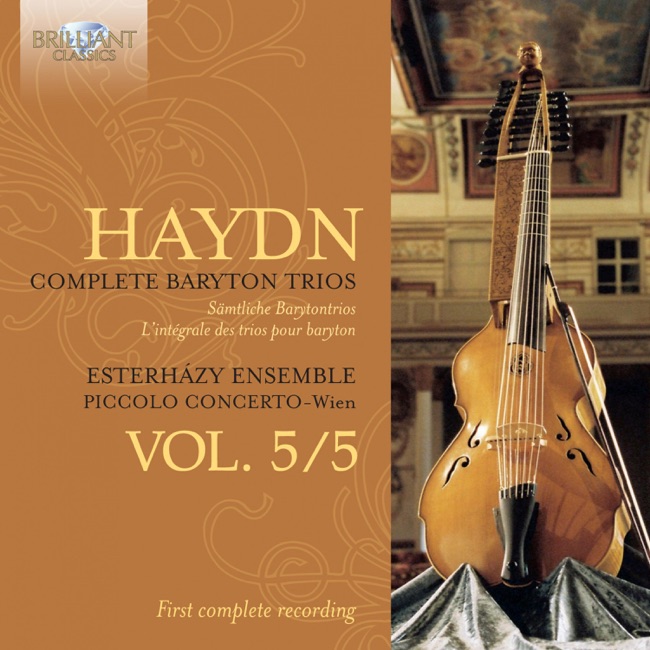
Composer:Franz Joseph HaydnGenre:ChamberAverage_duration:28:27Movement_count:4Movement ....The Baryton Trio in A major, H. 11/2, is a chamber music piece composed by Franz Joseph Haydn. It was composed in the late 1760s and premiered in the court of Prince Nikolaus Esterházy, who was a patron of Haydn. The piece is written for baryton, viola, and cello, and is one of several works that Haydn composed for the baryton, a stringed instrument that was popular in the 18th century. The Baryton Trio in A major, H. 11/2, consists of three movements. The first movement is marked Allegro moderato and is in sonata form. It begins with a lively theme played by the baryton, which is then taken up by the viola and cello. The second theme is more lyrical and is played by the viola. The development section explores the themes further, with each instrument taking turns to play variations on the themes. The movement ends with a recapitulation of the main themes. The second movement is marked Adagio and is in ternary form. It is a slow and expressive piece, with the baryton playing a mournful melody that is accompanied by the viola and cello. The middle section is more lively and features a dialogue between the baryton and the viola. The movement ends with a return to the opening melody. The final movement is marked Allegro and is in rondo form. It is a lively and playful piece, with the baryton playing a cheerful melody that is accompanied by the viola and cello. The middle section is more subdued and features a dialogue between the viola and cello. The movement ends with a return to the opening melody. The Baryton Trio in A major, H. 11/2, is a charming and elegant piece of chamber music. It showcases Haydn's skill in writing for the baryton, which was a difficult instrument to play. The piece is notable for its use of dialogue between the instruments, with each taking turns to play the main themes and variations. The slow second movement provides a contrast to the lively outer movements and adds depth to the piece. Overall, the Baryton Trio in A major, H. 11/2, is a delightful example of Haydn's chamber music and a testament to his skill as a composer.More....
Works Music
Released Music