


Franz Joseph Haydn
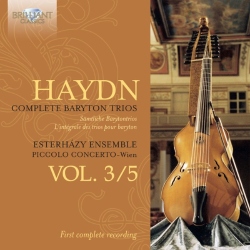
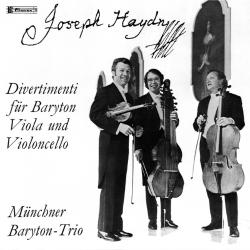
Baryton Trio in A major, H. 11/66
Released Album
Recent Album
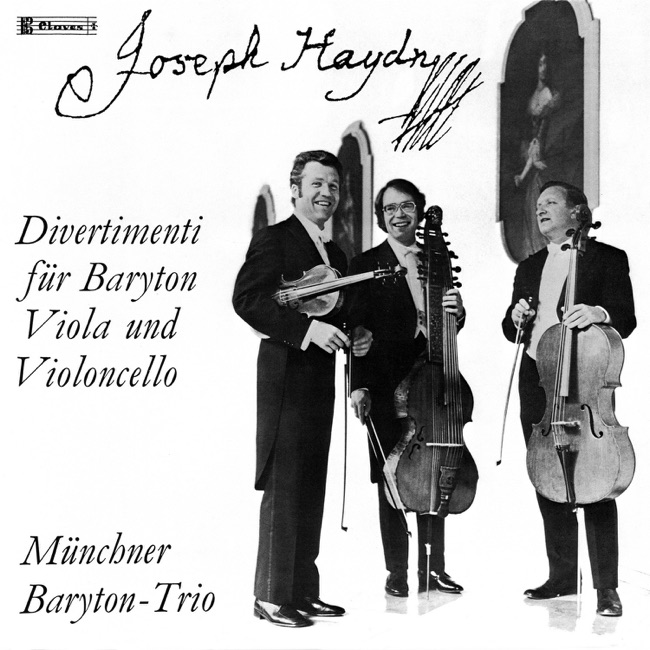
Works Info
Composer:Franz Joseph HaydnGenre:ChamberStyle:Chamber MusicAverage_duration:13:36Movement_count:3Movement ....Franz Joseph Haydn's Baryton Trio in A major, H. 11/66, was composed in the late 1760s for the baryton, a stringed instrument similar to the viola da gamba. The piece consists of three movements: Allegro moderato, Adagio, and Finale: Presto. The trio opens with a lively Allegro moderato, featuring a playful and rhythmic melody that is passed between the baryton and the two violins. The baryton takes center stage in the second movement, Adagio, with a mournful and expressive melody that is accompanied by the violins. The final movement, Finale: Presto, is a lively and energetic piece that showcases the virtuosity of all three instruments. One of the unique characteristics of the Baryton Trio is the prominent role of the baryton, which is often relegated to a supporting role in other chamber music compositions. Haydn takes full advantage of the baryton's capabilities, incorporating its rich and resonant sound into the overall texture of the piece. The Baryton Trio in A major was likely premiered in the court of Prince Nikolaus Esterházy, where Haydn served as Kapellmeister. The piece was likely performed by the prince himself, who was an accomplished baryton player and one of Haydn's most important patrons. Overall, the Baryton Trio in A major is a charming and delightful piece of chamber music that showcases Haydn's skill as a composer and his ability to write for a variety of instruments. Its unique instrumentation and playful melodies make it a favorite among chamber music enthusiasts and baryton players alike.More....
Works Music
Released Music
1
5:35
2
5:26
3
4:52
4
5:45
5
7:13