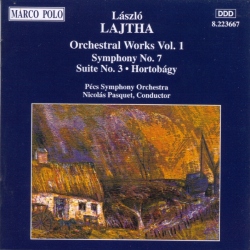
László Lajtha
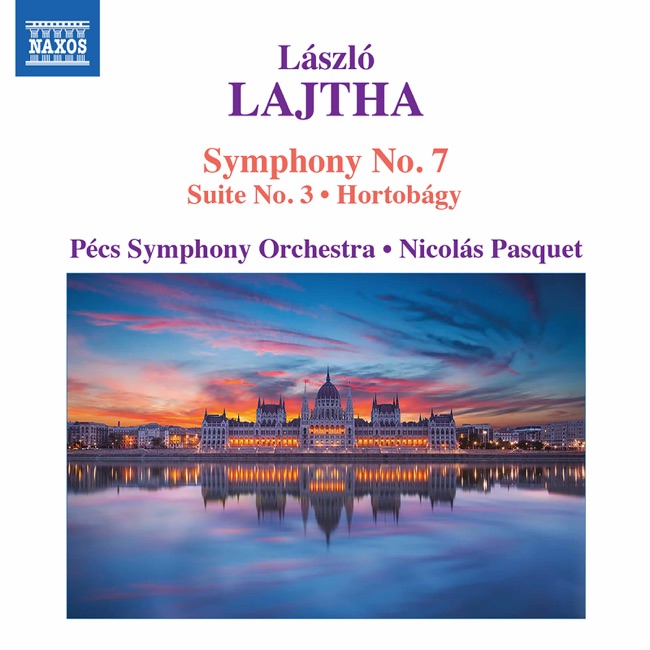
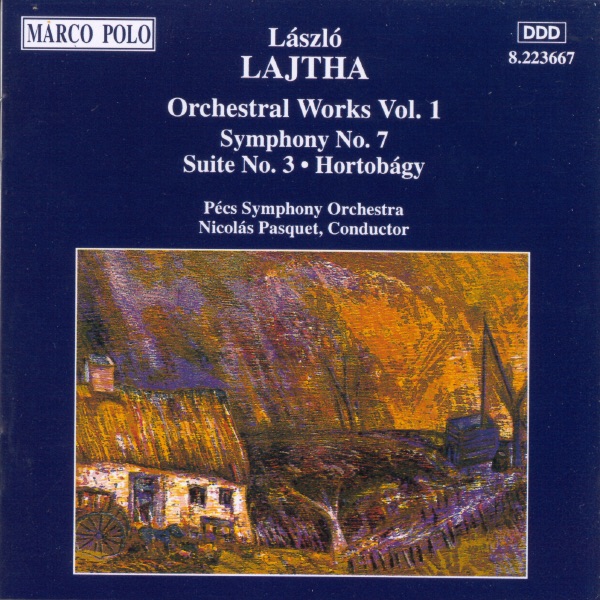
Symphony No. 7, Op. 63 "Revolution Symphony"
Released Album
Recent Album
Featured Album
Works Info
Composer:László LajthaGenre:SymphonyStyle:SymphonyAverage_duration:31:01Symphony No. 7, Op. 63, also known as the "Revolution Symphony," was composed by Hungarian composer László Lajtha in 1956. The symphony was premiered on December 7, 1956, just a few weeks after the Hungarian Revolution of 1956, which was a nationwide revolt against the Soviet-backed Hungarian People's Republic. The symphony is divided into four movements, each of which reflects the tumultuous events of the revolution. The first movement, marked "Allegro con brio," is characterized by its energetic and driving rhythms, which evoke the sense of urgency and excitement that accompanied the early days of the revolution. The second movement, marked "Andante," is more introspective and mournful, reflecting the sadness and loss that came with the violent suppression of the uprising. The third movement, marked "Scherzo," is a lively and playful dance that captures the spirit of the revolutionaries as they celebrated their newfound freedom. The final movement, marked "Allegro molto," is a triumphant and exultant finale that celebrates the ultimate victory of the revolutionaries over their oppressors. Throughout the symphony, Lajtha employs a wide range of orchestral colors and textures, using everything from delicate solo passages to thunderous full-orchestra outbursts to convey the emotional intensity of the events he is depicting. The symphony is also notable for its use of Hungarian folk melodies, which Lajtha weaves into the fabric of the music to give it a distinctly nationalistic flavor. Overall, Symphony No. 7, Op. 63 is a powerful and moving work that captures the spirit of the Hungarian Revolution of 1956. Its combination of emotional intensity, technical virtuosity, and nationalistic fervor make it one of Lajtha's most enduring and beloved compositions.More....
Works Music
Released Music
Featured Music