Einojuhani Rautavaara
Sonnets (3) of Shakespeare
Released Album
Recent Album
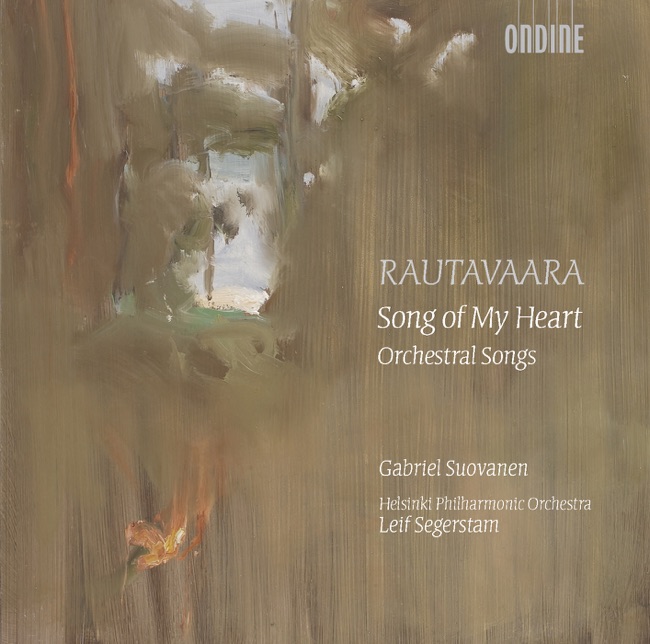
Works Info
Composer:Einojuhani RautavaaraGenre:VocalStyle:Vocal MusicCompose Date:1951First Performance:Oct 21, 1951Average_duration:7:20Movement_count:3Movement ....Einojuhani Rautavaara's 'Sonnets (3) of Shakespeare' is a choral work that was composed in 1971. The piece was premiered in Helsinki, Finland, on May 16, 1972, by the Finnish Radio Chamber Choir, conducted by Eric-Olof Söderström. The work is based on three sonnets by William Shakespeare: Sonnet 76, Sonnet 64, and Sonnet 58. The first movement, based on Sonnet 76, is a slow and contemplative piece that features a solo soprano voice. The choir provides a gentle and supportive background, with soft harmonies and a delicate texture. The music is introspective and reflective, with a sense of longing and nostalgia. The soloist's voice soars above the choir, expressing the poet's desire to be remembered after death. The second movement, based on Sonnet 64, is a more lively and rhythmic piece. The choir sings in a fast and syncopated rhythm, with a driving energy that propels the music forward. The text of the sonnet is about the passing of time and the inevitability of change, and the music reflects this theme with its constant motion and shifting harmonies. The movement ends with a sudden and unexpected silence, emphasizing the finality of the poem's message. The third movement, based on Sonnet 58, is a complex and multi-layered piece that explores the idea of love and its transformative power. The choir sings in a rich and full-bodied harmony, with overlapping voices and intricate counterpoint. The music is passionate and intense, with a sense of urgency and longing. The movement builds to a powerful climax, with the choir singing in unison and the music reaching a dramatic peak. Overall, 'Sonnets (3) of Shakespeare' is a beautiful and evocative work that showcases Rautavaara's skill as a composer. The music is deeply emotional and expressive, capturing the essence of Shakespeare's poetry with its rich harmonies and intricate textures. The piece is a testament to the enduring power of Shakespeare's words, and a tribute to the timeless beauty of choral music.More....