Carl Maria von Weber
John Anderson, My Jo', J. 301
Released Album
Recent Album

Works Info
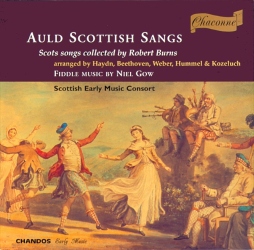
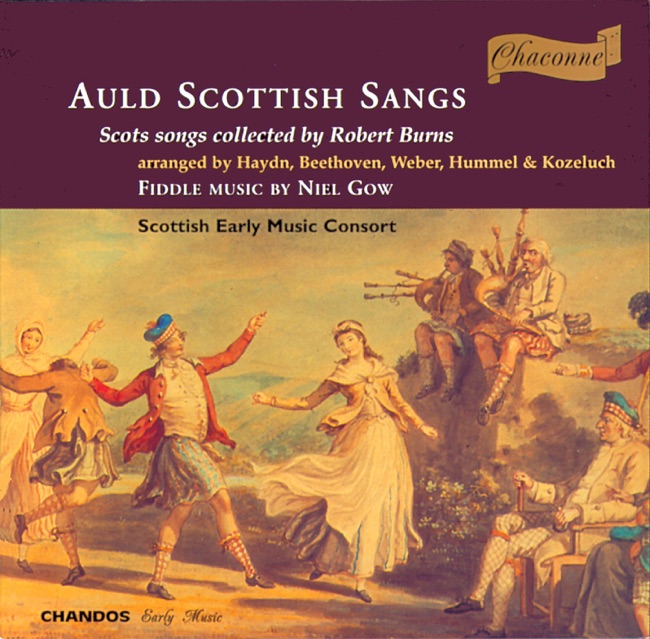
Composer:Carl Maria von WeberGenre:VocalStyle:Vocal MusicCompose Date:1825Publication Date:1826Average_duration:2:34'John Anderson, My Jo', J. 301 is a Scottish folk song arranged for voice and piano by the German composer Carl Maria von Weber. The composition was completed in 1819 and premiered in the same year. The song is based on a poem by Robert Burns, a Scottish poet, and lyricist. The poem tells the story of an elderly couple, John Anderson and his wife, who have been together for many years and have weathered the ups and downs of life together. The composition consists of three movements, each of which is characterized by a different mood and tempo. The first movement is marked Andante con moto and is in the key of G major. It begins with a gentle piano introduction, which is followed by the entrance of the voice. The melody is simple and lyrical, with a flowing accompaniment that supports the vocal line. The mood of the movement is reflective and nostalgic, as the singer reminisces about the past and the enduring love between John Anderson and his wife. The second movement is marked Allegro vivace and is in the key of C major. It is a lively and energetic dance, with a playful melody that is full of joy and vitality. The piano accompaniment is light and bouncy, with a rhythmic pulse that propels the music forward. The mood of the movement is celebratory, as the singer rejoices in the enduring love between John Anderson and his wife. The third movement is marked Andante sostenuto and is in the key of G major. It is a slow and solemn hymn, with a simple melody that is full of pathos and emotion. The piano accompaniment is sparse and understated, with a gentle pulse that supports the vocal line. The mood of the movement is contemplative, as the singer reflects on the inevitability of death and the enduring love that will survive beyond the grave. Overall, 'John Anderson, My Jo', J. 301 is a beautiful and poignant composition that captures the essence of Robert Burns' poem. The three movements are characterized by different moods and tempos, which reflect the different emotions and themes of the poem. The melody is simple and lyrical, with a flowing accompaniment that supports the vocal line. The composition is a testament to the enduring power of love, which can survive even in the face of death.More....
Works Music