Johann Philipp Förtsch
Herr, wer wird wohnen
Released Album
Recent Album
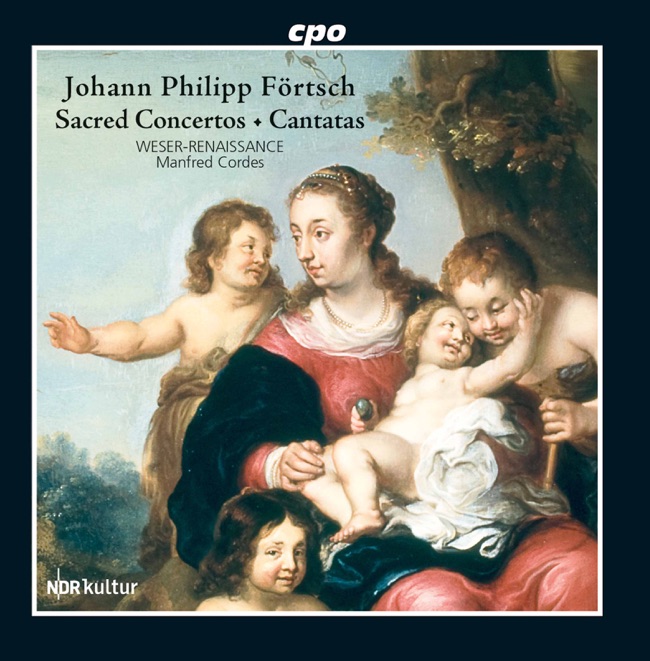
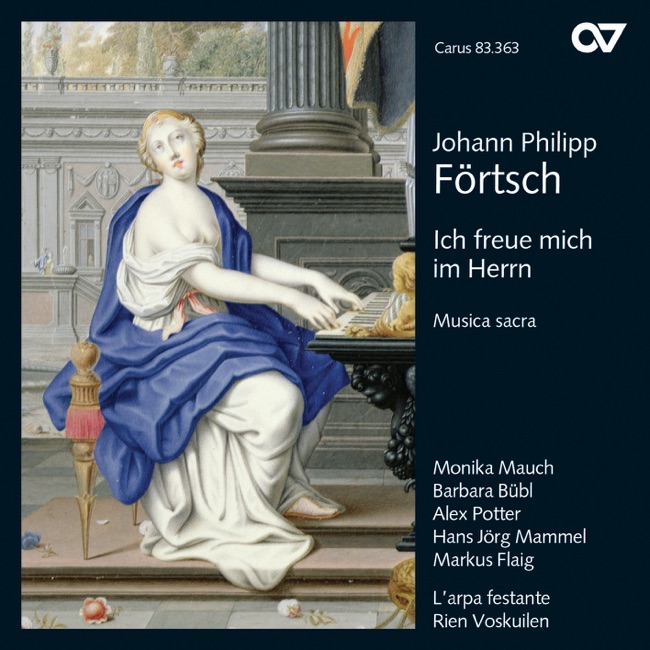
Works Info
Composer:Johann Philipp FörtschGenre:VocalAverage_duration:5:06Johann Philipp Förtsch was a German Baroque composer who lived from 1652 to 1732. He was a prolific composer of sacred music, and his works were widely performed in his time. One of his most famous works is the cantata "Herr, wer wird wohnen," which was composed in the early 18th century. The cantata "Herr, wer wird wohnen" is a sacred work that is based on Psalm 15. It was composed for four solo voices, choir, and orchestra. The work is divided into six movements, each of which reflects a different aspect of the psalm. The first movement is an instrumental introduction that sets the tone for the work. It is followed by a recitative for the bass soloist, who sings the words of the psalmist, asking who will be able to dwell in the presence of God. The second movement is an aria for the alto soloist, who sings of the person who walks blamelessly and does what is right. The music is gentle and flowing, reflecting the peaceful nature of the person described in the psalm. The third movement is a duet for the soprano and tenor soloists, who sing of the person who speaks the truth from the heart and does not slander others. The music is lively and joyful, reflecting the happiness of the person described in the psalm. The fourth movement is a recitative for the tenor soloist, who sings of the person who does not lend money at interest or take bribes against the innocent. The music is solemn and serious, reflecting the gravity of the situation. The fifth movement is an aria for the soprano soloist, who sings of the person who does not move their neighbor's boundary stone or take advantage of the poor. The music is gentle and flowing, reflecting the peaceful nature of the person described in the psalm. The final movement is a chorale that summarizes the psalm and praises the person who lives according to its teachings. The music is grand and majestic, reflecting the glory of God and the righteousness of the person described in the psalm. Overall, "Herr, wer wird wohnen" is a beautiful and uplifting work that reflects the religious beliefs and values of its time. It premiered in the early 18th century and has since become a beloved piece of sacred music.More....